


Government Initiates Collaborative Efforts for Prisoner Rehabilitation through Agriculture
The federal government is mobilizing key public and private stakeholders to enhance prisoner rehabilitation via agricultural initiatives aimed at unlocking the economic and transformative potential of correctional farm centers nationwide. This dialogue, organized by the Nigeria Correctional Service (NCoS) in collaboration with Hope Behind Bars Africa, and supported by the Rule of Law and Anti-Corruption Programme, highlighted the importance of structured public-private partnerships (PPPs) to boost agricultural production, facilitate skills acquisition, and improve reintegration outcomes for incarcerated individuals.
Collaboration for Sustainable Strategies
The initiative, themed “Public-Private Partnership (PPP) Pathways for Correctional Farm Center Optimization and Prisoner Reform,” brought together government officials, private sector representatives, development partners, and civil society organizations to explore sustainable strategies aimed at enhancing productivity and reintegration outcomes in Nigeria’s prison system. This collaborative effort seeks to redefine the role of correctional facilities in providing meaningful rehabilitation through agricultural development.
Correctional Agriculture as a Rehabilitation Tool
Corrections Commissioner Sylvester Nwakuche underscored the dual purpose of correctional agriculture, emphasizing its role in both food production and inmate rehabilitation. He explained that the department’s farm centers aim to restore dignity to prisoners while equipping them with practical skills for successful reintegration into society post-release.
A Comprehensive Approach to Agricultural Projects
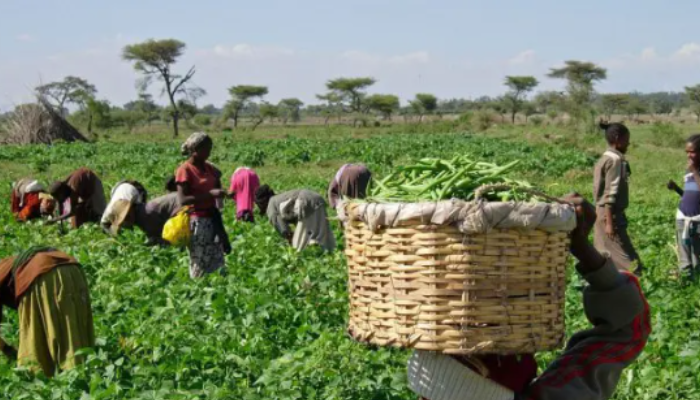
Nwakuche revealed that NCoS currently manages 12 agricultural projects, alongside nine pig farming initiatives and 11 fishing operations nationwide. These ventures focus on cultivating staple foods—including rice, sorghum, millet, and various vegetables—while providing inmates with valuable skills that can enable them to earn an income upon reentry into society. He also urged stakeholders to transition from mere policy discussions to actionable partnerships that can amplify the impact of these initiatives and strengthen reintegration programs.
Recognizing Untapped Agricultural Potential
In a goodwill message, Chinedu Ogah, Chairman of the House Committee on Correctional Facilities, acknowledged the expansive agricultural potential within correctional facilities. He asserted that utilizing the expansive arable land within these institutions could significantly bolster the nation’s food security and economic resilience—an opportunity that merits serious exploration.
Evidence-Based Approaches to Justice Reform
International IDEA Nigeria Program Officer Danladi Plang described the Farming Justice Project as a critical advancement in justice sector reform and sustainable development. He commended Hope Behind Bars Africa for its evidence-based approach, which includes baseline assessments and the development of context-specific training manuals to ensure effectiveness.
Roadmap for Enhancing Stakeholder Collaboration
Magdalene Ajani, Permanent Secretary of the Ministry and keynote speaker at the event, emphasized that the dialogue was designed to produce a clear, actionable roadmap centered on structured public-private partnerships. She encouraged both stakeholders and the public to support prisoner rehabilitation by purchasing products from the correctional industry showcased during the event. The session culminated in a presentation by Kupang Amosu, Deputy Inspector General for Inmate Training and Productivity, who detailed the department’s agricultural assets and production capacity, as well as the PPP provisions included in the Nigeria Correctional Act of 2019. The dialogue also provided a platform for participants to hear success stories from beneficiaries of the Farming Justice Project, review a draft training manual aimed at guiding future capacity-building efforts, and engage in panel discussions focused on leveraging the PPP framework to promote sustainable correctional agriculture.
Overall, the NCoS reaffirmed its commitment to enhancing partnerships and innovative approaches in prisoner correction. It called upon investors, development partners, and other stakeholders to collaborate in unlocking the economic and social potential of correctional farm centers across the nation.
