


Desperate Calls from Detained Children
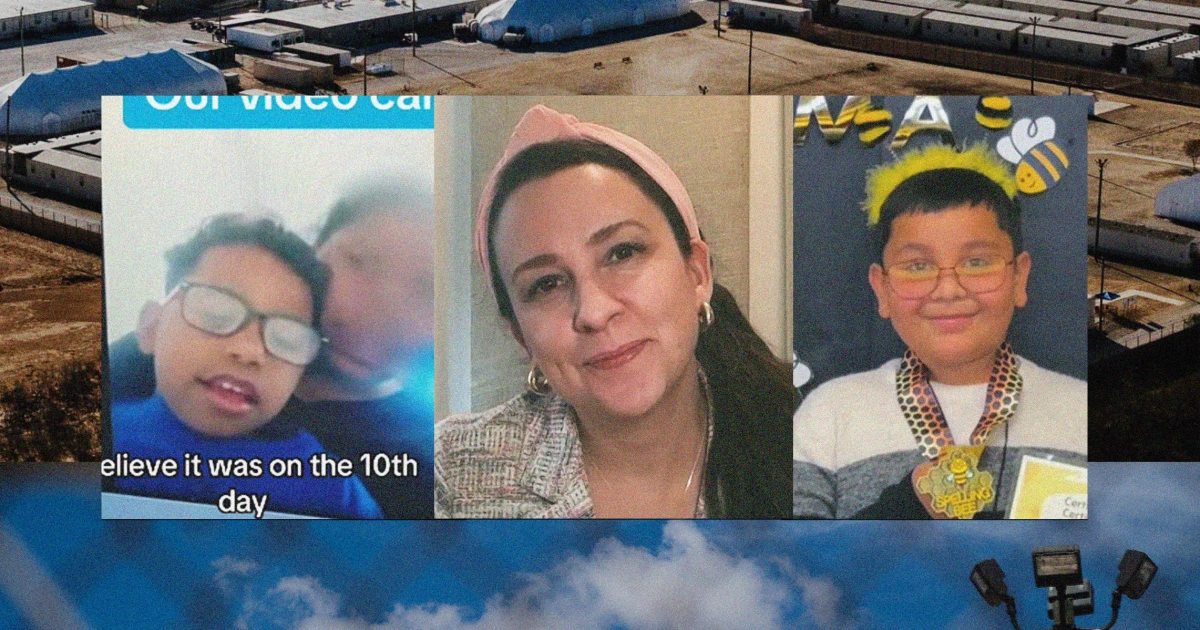
The boy on the grainy video screen appeared distressed. “I don’t want to be here anymore,” he said. “Nothing good happens here.” Since early March, 9-year-old Dever Henao Jimenez has been held with his parents at the Dilley Immigration Detention Center in South Texas, where children have reported inadequate education, incessant lights, and subpar food. He was on a video call with Rachel, a well-known children’s entertainer eager to help.
Rachel’s Support for Detained Youth
Wearing her signature pink headband, Rachel leaned closer to the screen, attempting to provide comfort. “Oh, I’m so sorry,” she murmured in a voice familiar to countless children and parents. “There are many people who want to help.” Dever shared that he missed his friends and that the food in Dilley upset his stomach. Yet, his most pressing concern lay elsewhere. Before his family’s detention, he had excelled in his school’s spelling bee and was poised to compete in the New Mexico state competition.
The Power of Childhood Aspirations
“I want to get out of here and go to the spelling bee,” he expressed earnestly. Rachel encouraged him, saying, “You have a talent for spelling. You’re very smart.” However, her demeanor shifted as she reflected on their conversation. “It was surreal to see this adorable little face and feel like I was talking to someone imprisoned,” Rachel Acaso recounted in an exclusive interview with NBC News. “It shattered me, and I never thought I’d encounter something like this in my life.”
Raising Awareness of Detention Conditions
Rachel’s awareness of the Dilley center began in January, following the detention of a father and his young son, whose plight attracted nationwide attention. Photos of the child in a bunny hat and Spider-Man backpack circulated widely, amplifying concerns about the conditions faced by families in detention. Though eventually released, the family’s asylum request was recently denied.
Escalating Detainment Numbers
The Trump administration’s crackdown on immigration resulted in the detention of over 2,300 children with their parents in the first year of the policy, with most held at Dilley. Many families face prolonged detainment, often for weeks or even months. Meanwhile, Rachel Acuso’s popularity has soared as she has leveraged her platform not just for children’s entertainment but also as an advocate raising awareness about vulnerable youth, including those impacted by crises in Gaza and Sudan.
Tackling the Harsh Realities of Detention
As Rachel prepares for her next steps, collaborating with immigration rights activists to advocate for the closure of Dilley, she has encountered stark accounts from families. Parents and legal representatives noted alarming health issues among children, who have reported losing weight, suffering from parasites in their food, and experiencing medical emergencies while detained.
Challenging Institutional Care
This week, Dilley reportedly housed about 50 children, sharply reduced from approximately 500 a few months prior. The exact reasons for this decline remain uncertain, but it coincides with ongoing pressure from human rights advocates and legal experts. The Department of Homeland Security disputed claims of poor conditions, asserting that families receive comprehensive care. However, testimonies from mothers like Gael’s, whose son suffered from severe medical issues in custody, illustrate a disturbing trend.
