


Critique of Oscar Ceremony’s Political Silence
The recent Academy Awards have faced criticism for their apparent disregard for significant contemporary issues, including the war in Iran and immigration concerns. As highlighted by The Hollywood Reporter’s senior editor Steven Zaychik, the ceremony felt detached from pressing global events, leaving audience members unaware that the United States had recently ignited military conflicts.
Limited Political Discourse from Celebrities
While a few Oscar presenters touched on political topics, such comments primarily came from lesser-known figures or international celebrities. Javier Bardem, for instance, publicly advocated for peace and liberation in Palestine—but such sentiments were rare in a ceremony dominated by entertainment-focused narratives.
A Call for Accountability in Celebrity Voices
Zaychik argued that celebrities risk becoming “easy targets for the apolitical line” of critics by remaining silent on critical issues. He warned that their inaction, rather than aligning them with their cause, further fuels their critics’ arguments. “When wars rage at home and abroad,” he wrote, “focusing solely on the artistic merits of films may render you irrelevant.”
Late-Night Hosts and Their Political Maneuvers
Late-night host Jimmy Kimmel received some praise for his political insights regarding President Donald Trump, yet he too failed to address the pressing matters of immigration and military conflict. His reluctance reflected a broader trend observed during the Oscars, where despite the potential for engaging discussions, most hosts chose to play it safe.
Oscars’ Missed Opportunities for Dialogue
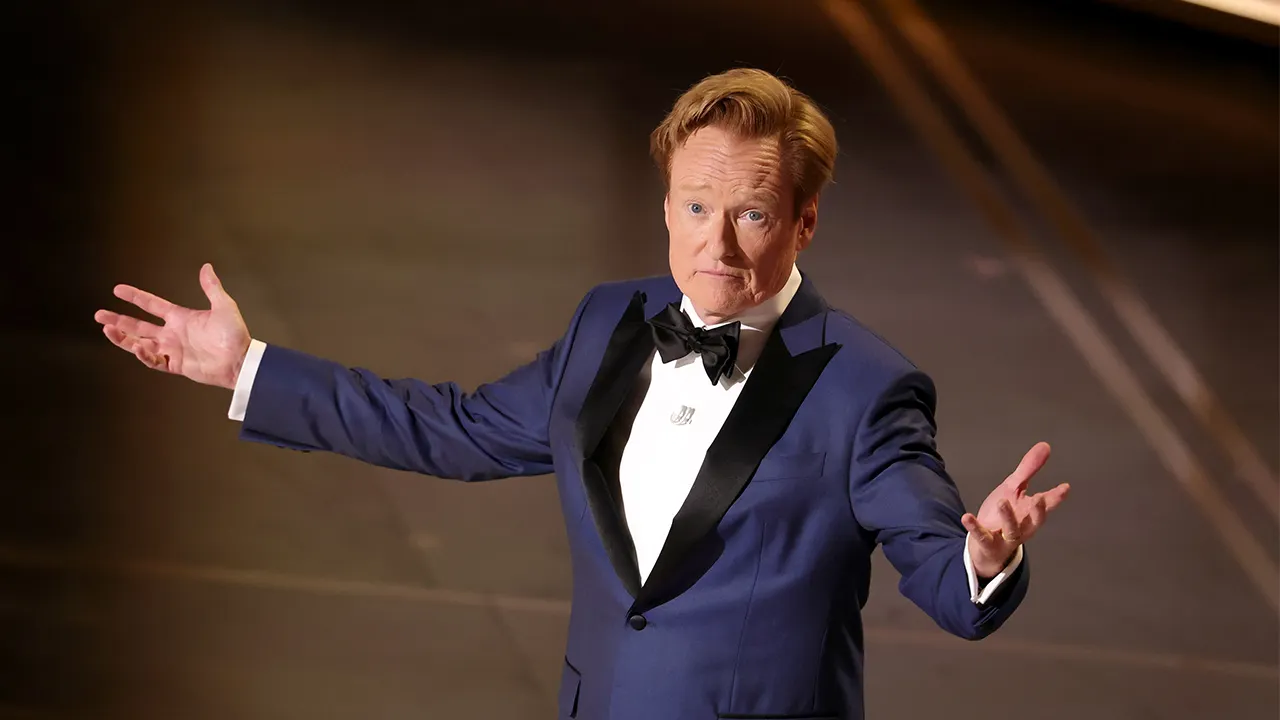
Conan O’Brien, who hosted the event, acknowledged that political commentary might emerge but largely steered clear of controversial topics. His quip about an alternative award show held by Kid Rock underscored the prevailing hesitance to tackle weighty issues head-on, turning what could have been an opportunity for advocacy into a mere dismissal.
Irony in Award Choices and Political Silence
Criticism extended to the Academy’s decision to award Best Picture to a politically charged film like “One Battle After Another” without any accompanying acknowledgment of relevant social issues. Zaychik noted the irony of such recognition amid an ongoing political storm, suggesting that the moment called for bold statements rather than the avoidance of critical dialogue.
Reactions and Implications of Celebrity Inaction
In his commentary, Zaychik emphasized the missed opportunity for filmmakers to amplify their voices on immigration and social justice. He stated, “Actors involved in projects addressing xenophobia could have used their prominent platform to advocate for change.” The lack of engagement from the Academy and its attendees signals a broader apathy in Hollywood toward impactful commentary during pivotal societal moments.
