


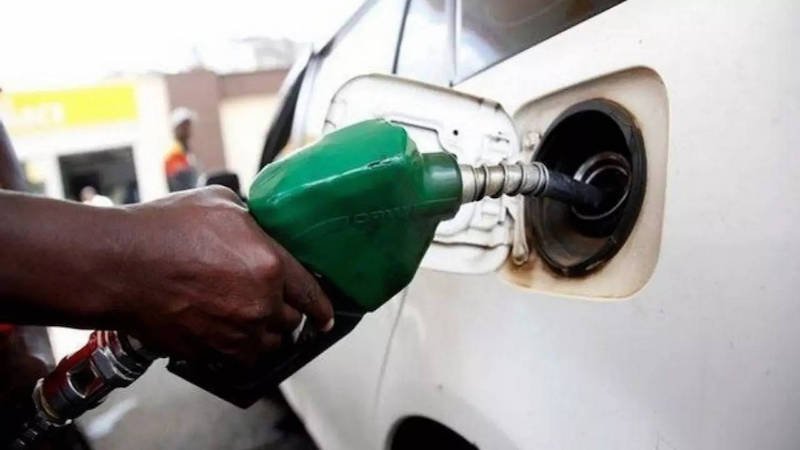
Nigeria’s Fuel Pricing Remains Competitive Amid Geopolitical Tensions
Nigeria continues to enjoy some of the lowest petrol prices globally, despite recent increases driven by geopolitical tensions in the Middle East. Industry analysts attribute this stability to the growing impact of the Dangote oil refinery and petrochemicals. According to GlobalPetrolPrices.com, the average cost of petrol in Nigeria stands at $0.88 (N1,191.39) per liter. This is significantly lower than the world average of $1.32 (N1,787.08) per liter, based on the exchange rate of N1,353.85 per dollar, making Nigeria one of the more affordable fuel markets worldwide, even as international prices continue to rise.
Comparative Fuel Prices Highlight Nigeria’s Advantage
In contrast, gasoline prices in several major economies are considerably higher. In the United States, for example, petrol costs approximately $1.075 (N1,455.39), while in India it reaches $1.095 (N1,482.47) and in South Africa it’s $1.189 (N1,609.73). Prices have surged even further in developed nations, with the UK averaging $1.874 (N2,537.11), France at $2.152 (N2,913.49), Germany at $2.343 (N3,172.07), and Hong Kong peaking at an astonishing $3.967 (N5,370.72) per liter.
Regional Landscape Shows Nigeria’s Competitive Edge
Within West Africa, Nigeria’s petrol prices also appear favorable when compared to its neighbors. Togo’s prices reach $1.192 (N1,613.79), Benin $1.218 (N1,648.99), Ghana $1.240 (N1,678.77), and Cameroon $1.478 (N2,000.99). Analysts highlight that the Dangote refinery plays a crucial role in this price stability. By absorbing some of the pressures stemming from global costs, it ensures a consistent supply of products while cushioning domestic consumers from the volatility often witnessed in other countries facing supply disruptions, rationing, and price hikes due to ongoing tensions in the Middle East.
Global Trends Show Government Intervention Is Common
One significant observation is that only a few countries worldwide offer gasoline at prices below $1 per liter without some form of government intervention. The majority of nations in this category utilize subsidies, price controls, or regulated pricing to shield consumers from global market fluctuations. In contrast, Nigeria has moved away from such interventions with the abolition of fuel subsidies in 2023, resulting in a fully deregulated downstream sector where domestic gasoline prices are primarily influenced by global crude oil trends and foreign exchange rates.
Deregulation and Its Consequences in Nigerian Fuel Market
Despite this deregulation, the economic impact of the Dangote refinery remains significant. Since the onset of the global crisis, petrol prices in Nigeria have risen by approximately 35 to 40 percent. However, this increase is relatively moderate when compared to other countries facing much steeper price hikes; Cambodia and Vietnam, for instance, reported increases of over 67% and 49%, respectively.
Dangote Refinery: A Stabilizing Force for Nigeria
Experts argue that, without the extensive capacity and scale provided by the Dangote refinery, Nigeria could experience heightened vulnerability to global supply shocks, leading to further price escalations, increased currency pressures, and widespread fuel shortages. Instead, the enhancement of local refining capacity has bolstered supply security, alleviated price surges, and fortified Nigeria’s standing as a stable fuel market amid ongoing global uncertainties.
