


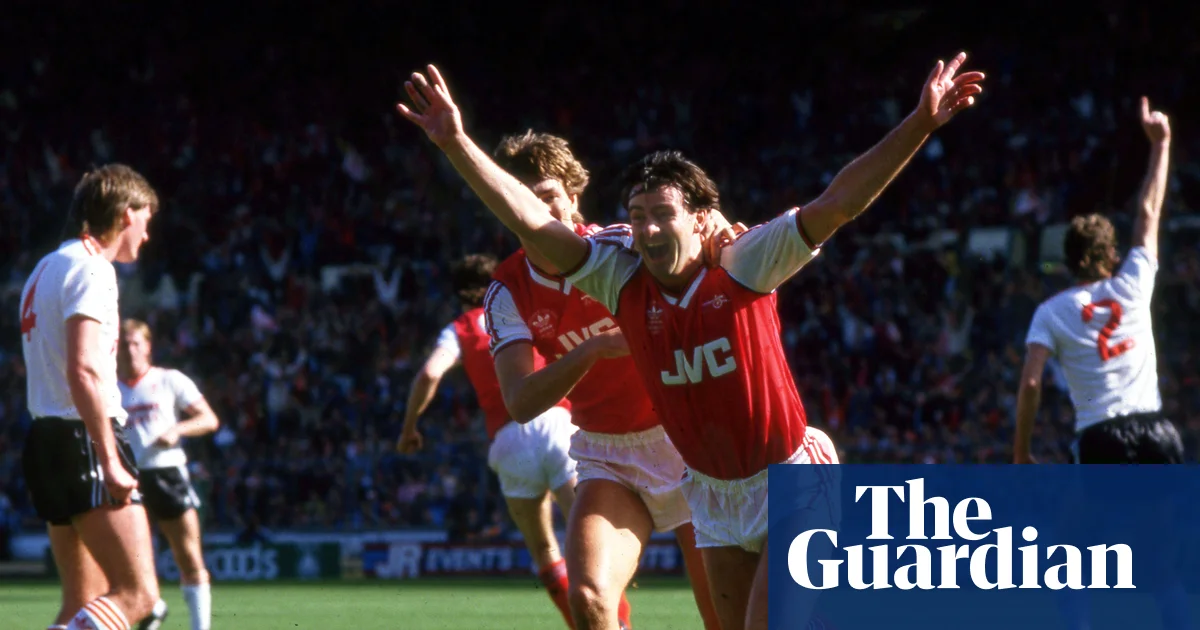
The Triumph of Arsenal in the 1987 League Cup Final
In the iconic aftermath of the 1987 League Cup final, Barry Davies aptly remarked that “this afternoon it’s Bonnie Prince.” On that sun-drenched day at Wembley, Charlie Nicholas shone brilliantly, marking Arsenal’s first trophy in eight years.
However, Nicholas’ tenure at Arsenal was not without its disappointments. Joining from Celtic in 1983 amid much fanfare, he often demonstrated flashes of brilliance, particularly against rival Tottenham. Yet, his overall performance remained sporadic, mirroring the inconsistency of the team under managers Terry Neil and Don Howe.
Managerial Changes and Departure
George Graham assumed the managerial role in the summer of 1986, but whispers about Nicholas’s uncertain future at the club grew louder. Known for his emphasis on hard work and energy, Graham’s style clashed with Nicholas’s more relaxed approach, culminating in Nicholas’s departure to Aberdeen in January 1988. However, he left an indelible mark with a parting gift to Arsenal supporters.
Reaching the Final Against the Odds
Midway through the semi-final second leg against Tottenham, the prospect of Arsenal reaching their first final in seven years seemed bleak. Trailing 1-0 and 2-0 on aggregate, even the Tottenham stadium announcer noted the dire situation for Arsenal. The team’s reaction in the dressing room was pivotal, as they rallied to score twice in the second half, forcing a replay, which they went on to win 2-1 at White Hart Lane just three days later.
Facing Liverpool in the Final
Despite a patchy league performance leading up to the final, optimism brewed as Arsenal faced Liverpool on April 5, 1987. Liverpool, accustomed to success at Wembley, had their own struggles. With significant players sidelined, including Mark Lawrenson and Jim Beguelin, Liverpool’s squad lacked some crucial strength and experience.
A Dramatic Match Unfolds
The match itself was quintessential Wembley, complete with classic coverage and a vibrant atmosphere. Liverpool started strong, with Ian Rush almost scoring early on. Jan Molby took advantage of an Arsenal mistake, putting Liverpool ahead. Arsenal’s experienced captain, Kenny Sansom, faced criticism for his shaky start, intensifying the pressure on the team.
Nonetheless, Arsenal did not succumb under pressure. After a brief moment of vulnerability, they equalized in the 30th minute when Nicholas capitalized on a scramble in the box, energizing the team and its supporters. As confidence surged, Arsenal began to dominate midfield, forcing Liverpool onto the back foot.
Sealing the Victory
The second half witnessed end-to-end action, with both teams creating chances. A pivotal moment came when substitute Perry Groves set up Nicholas for a decisive shot that deflected past Liverpool’s Bruce Grobbelaar, giving Arsenal the lead. The jubilation was palpable as the realization of victory set in.
Significance of the Win
As the match concluded, Arsenal’s supporters chanted triumphantly, celebrating a long-awaited victory. The win not only ended Liverpool’s impressive record but also marked a significant milestone for Arsenal, claiming their third victory over Liverpool at Wembley.
In the aftermath, Graham expressed satisfaction with his team’s achievements while downplaying talks regarding Nicholas’s future amid reports of a potential contract extension. While Nicholas anticipated this victory as the dawn of a new era for Arsenal, it became increasingly clear that his days at the club were numbered given the recent signing of Alan Smith.
Reflecting on the match’s implications, Graham foresaw the potential for a sustained period of success for Arsenal, although the club would face challenges in capturing titles consistently. Nevertheless, defeating Liverpool laid a strong foundation for future triumphs.
This article is from That 1980s Sports Blog by Steven Pye.
