


Contractor Apologizes to Military Health Benefits Recipients Over Coverage Issues
This week, TriWest Healthcare Alliance, the contractor responsible for managing military health benefits, issued a public apology to over four million beneficiaries due to issues with their coverage.
David McIntyre Jr., president and CEO of TriWest, addressed the situation in an open letter, expressing his personal apologies to those who have encountered difficulties with other health plans under their oversight. He assured beneficiaries that he and his entire team are dedicated to enhancing the overall beneficiary experience. One specific error involved the misrepresentation of a beneficiary’s insurance status, which led to coverage denials.
TriWest and TRICARE Management
TriWest Healthcare Alliance is a key contractor managing TRICARE, the military healthcare program that serves active duty service members, veterans, and their families. Recent reports indicate that beneficiaries have faced ongoing challenges since the transition of contracts from Health Net Federal Services to TriWest in 2025.
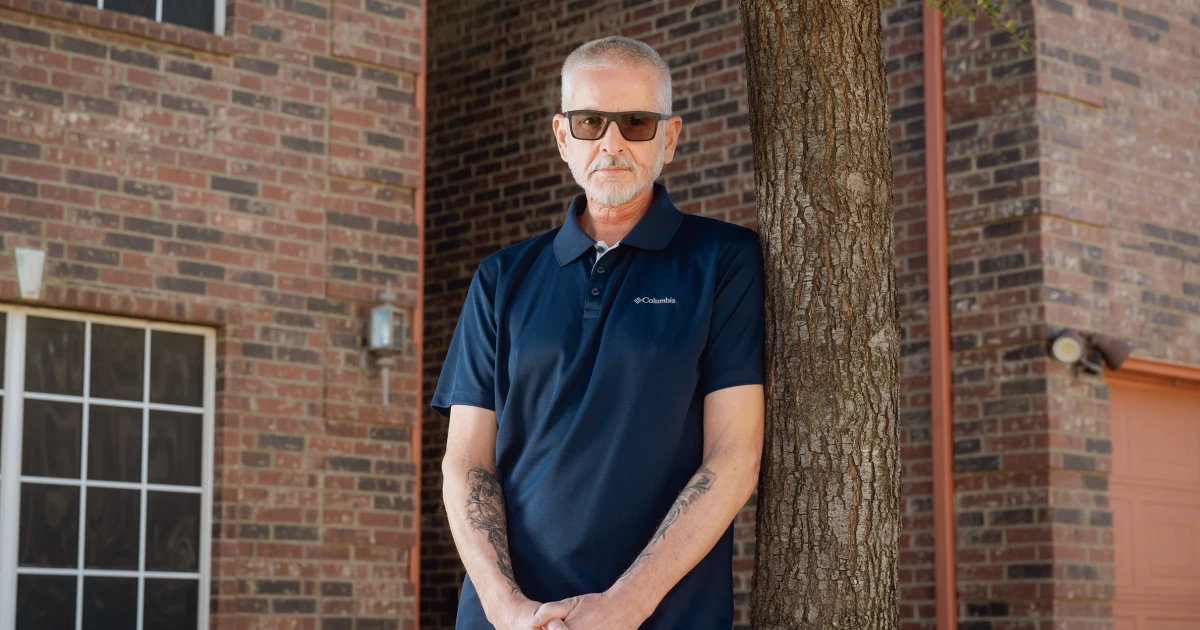
Guy Shoemaker, a 64-year-old veteran from Fort Worth, Texas, highlighted these challenges. He described how previously approved medical claims were suddenly denied, resulting in TriWest recovering tens of thousands of dollars from healthcare providers.
Insufficient Treatment Risks for Veterans
Shoemaker, an Army sergeant who served in Afghanistan, was diagnosed with stage 2 throat cancer in 2021. After undergoing extensive treatment, including chemotherapy and radiation, he required ongoing therapy from a speech specialist. However, with mounting claim denials, he ceased attending necessary appointments, elevating his risk of serious health complications. When he finally saw the specialist again in January, he was informed that his condition had severely worsened, potentially leading to the need for a feeding tube.
Errors in Health Insurance Portal
Shoemaker’s insurance portal indicated that his treatment denials stemmed from an “Other Health Insurance” (OHI) error, despite him having only a Vision Plan and no other insurance. Attempts to rectify this mistake were met with consistent failure until NBC News intervened by contacting TriWest, which then resolved the issue and began processing his claim properly.
McIntyre’s Commitment to Improvement
In his letter, McIntyre directly addressed the OHI errors affecting claims, acknowledging the initial denial and subsequent frustrations experienced by beneficiaries. He stated, “We understand that some beneficiaries’ claims were incorrectly reflected, resulting in delays and unacceptable customer service. Our team is actively working to correct these issues.”
Beneficiaries Report Ongoing Challenges
While acknowledging TriWest’s efforts, Shoemaker expressed relief upon receiving the letter, noting that the acknowledgment of problems is a crucial step. However, it remains unclear how many other beneficiaries are still facing denial issues tied to OHI mistakes. A spokesperson recently reported that the denial rate for OHI errors had dropped from 2.3% to 1.3%, while TriWest processes more than 2 million claims each month. McIntyre reassured all beneficiaries that they are committed to streamlining these processes.
Oversight of TRICARE and Future Challenges
The Defense Health Agency, part of the Department of Defense, oversees TRICARE, which offers health services arranged regionally. The eastern region is managed by Humana Military, and TriWest is set to handle the western region starting in 2025, following concerns raised about their preparedness for the role after winning the contract.
Despite the Defense Health Agency asserting that thorough testing was conducted prior to the transition, representatives admitted that they could not test real operational systems, contributing to unforeseen complications post-launch.
As of now, the Defense Health Agency has not responded to inquiries regarding ongoing coverage issues faced by beneficiaries.
