


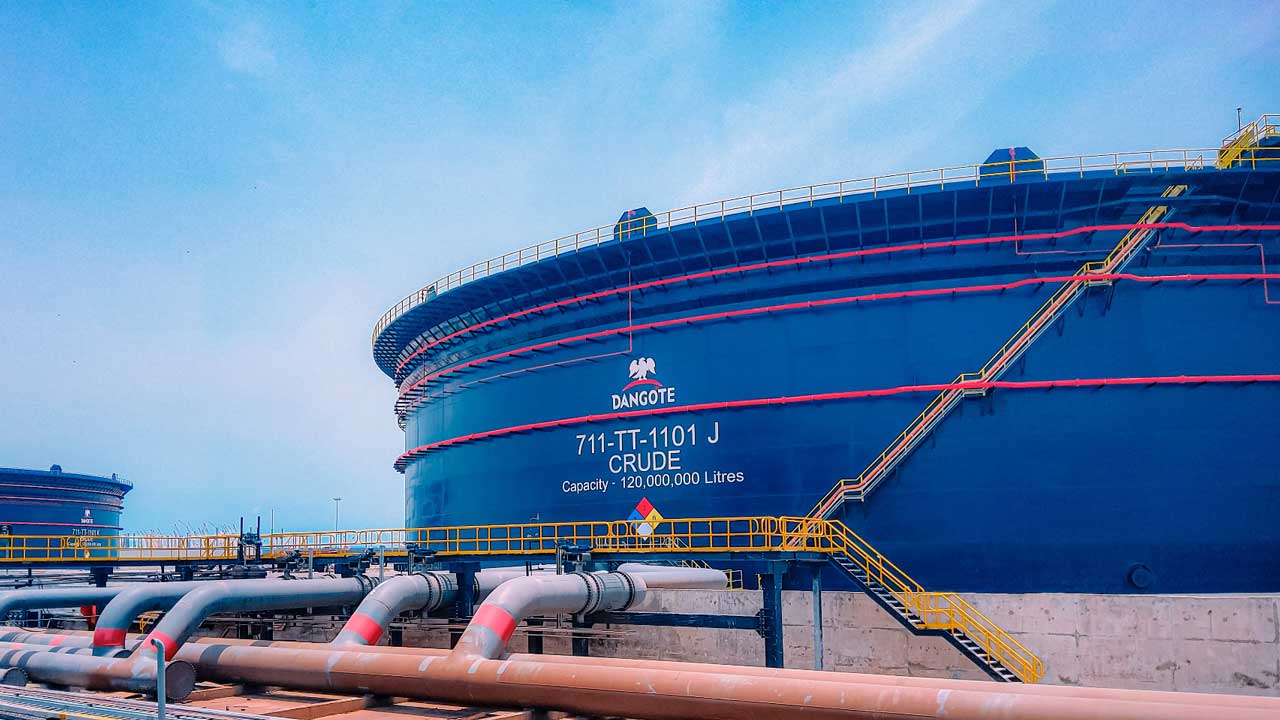
Dangote Oil Refinery Strengthens Nigeria’s Energy Position
Dangote Oil Refinery has enhanced Nigeria’s status in the regional energy market by successfully selling 12 cargoes of refined petroleum products, totaling 456,000 tonnes, to various African nations. This comes at a time when global oil and gas markets are experiencing significant turmoil.
Successful Sales to Multiple African Countries
In a recent announcement to Premium Times, the refinery confirmed that these cargoes were sold on a free on board (FOB) basis through international traders. The buyers include countries such as Ivory Coast, Cameroon, Tanzania, Ghana, and Togo.
A Milestone for Export Operations
This achievement represents a notable export milestone for the refinery, which has ramped up its operations to an impressive capacity of 650,000 barrels per day as of February. The sale reflects not only the refinery’s operational capabilities but also its strategic positioning within the volatile global market.
Global Supply Chain Disruptions Shape Market Conditions
The timing of this export is critical, as many countries are actively seeking alternative supply routes due to disruptions in transportation through the Strait of Hormuz, primarily caused by ongoing conflicts in the Middle East. These disruptions have led to an uptick in global oil prices, affecting energy markets and national economies worldwide.
Impact on Domestic Fuel Prices in Nigeria
In Nigeria, escalating global oil prices have led to increased domestic fuel costs. Petrol prices, which were approximately 870 Naira per liter prior to recent hikes, have surged to around 1,500 Naira in various regions of the country. To adapt to these volatile conditions, Dangote Refinery has been adjusting gasoline prices in response to fluctuations in the global crude oil market, resulting in over a 30% increase in pump prices since the outbreak of conflict.
Government Initiatives to Alleviate Fuel Costs
In response to mounting inflation and transportation costs, the federal government has logged initiatives to accelerate the distribution of compressed natural gas (CNG) vehicle conversion kits. These measures underscore the urgency of tapping into domestic refining capacities to stabilize local markets.
Regional Cooperation in Energy Supply
Nigeria’s Minister of Foreign Affairs, Yusuf Tugar, remarked that the ongoing Middle East conflict underscores the importance for Gulf oil and gas producers to view Nigeria as a key partner rather than a competitor in diversifying global energy supplies amid crises.
Capability and Quality in Production
The refinery’s recent shipments have predominantly included gasoline, demonstrating its growing capacity to serve both domestic and regional markets effectively. Following a complete refurbishment of its crude oil distillation unit and motor spirit production block, the facility is now operating at its full capacity of 650,000 barrels per day. Analysts believe these export volumes not only meet Nigeria’s domestic needs but also position the refinery as a substantial supplier of refined products across Africa.
Enhancing Energy Security Across Africa
Producing Euro V standard gasoline and diesel, the refinery aims to elevate fuel quality in a market historically reliant on inferior imports. This development is anticipated to bolster energy security across West, Central, and East Africa by supplying neighboring nations and broader African economies. Experts suggest that shorter supply routes can alleviate logistical bottlenecks, mitigate price pressures, and strengthen intra-African trade, signaling a transformative shift in regional fuel trade dynamics, with Nigeria poised to emerge as a key refining hub on the continent.
