


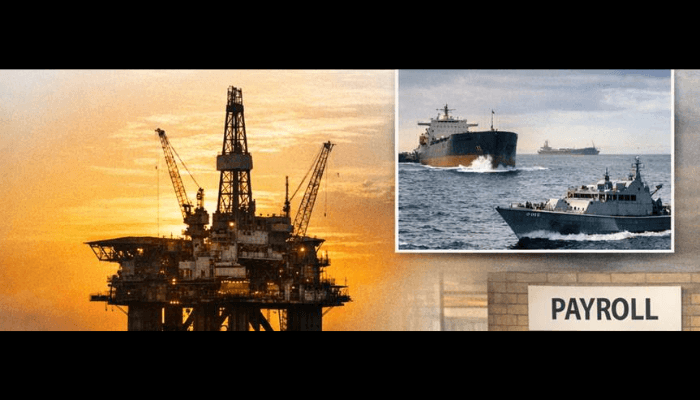
Nigeria’s Strategic Advantage Amid Global Energy Turmoil
As global oil markets grapple with the impacts of conflict, Nigeria finds itself in a surprisingly advantageous position. The ongoing crisis in the Middle East, marked by heightened tensions involving key players such as the United States, Israel, Iran, and various Gulf States, has once again highlighted the fragility of the international energy supply chain.
With oil prices fluctuating, shipping routes in danger, rising insurance premiums, and expanding refining margins, the situation underscores the complexity of global energy dependence. Yet, amidst this turmoil, Nigeria has managed to avert what could have been a widespread domestic fuel crisis for the first time in decades, thanks in large part to the commencement of operations at the Dangote Refinery.
What If Nigeria Had Continued with Reliance on Imports?
To appreciate the impact of the Dangote Refinery during this critical time, it is essential to explore a counterfactual scenario. Had Nigeria continued to rely solely on imported refined petroleum, the country would likely be in dire straits today. Historically, Nigeria’s downstream sector has been marred by a structural flaw, exporting crude while importing refined products, thus exposing the nation to multiple vulnerabilities.
The Threat of Global Supply Chain Disruption
Geopolitical upheavals, particularly those emerging from the Middle East—a region pivotal for global refining and crude oil exports—instantly diminishes product availability. This situation has intensified, and Nigeria is experiencing the adverse effects across various sectors.
The Rising Costs of Freight and Insurance
As tensions escalate, the war risk premiums for vessels traversing vital chokepoints, such as the Strait of Hormuz, could catapult, ultimately inflating the costs associated with imported fuel. This underscores the financial strain that geopolitical instability can impose on importing nations, including Nigeria.
Pressure on the Naira and Inflation Risks
With fuel imports denominated in US dollars, any disruption would amplify the demand for foreign currency, further depreciating the naira and driving up import inflation. During this crisis, Nigeria faces all three risks concurrently, leading to potential scenarios such as severe gasoline shortages, soaring pump prices, and heightened inflation due to increasing energy costs associated with transportation and logistics.
The Dangote Refinery: A Game Changer for Nigeria
The emergence of the Dangote Refinery has altered the landscape significantly. With a capacity of 650,000 barrels per day, it transcends mere commercial interests to become a vital national asset. The refinery’s ability to provide secure local fuel supplies helps mitigate Nigeria’s exposure to international market shocks. Moreover, while domestic prices may still correlate with global oil benchmarks, localized production reduces freight and insurance costs, softening extreme price escalations.
The Broader Macroeconomic Implications
The implications of this development extend beyond mere fuel pricing. Reliable energy access can stabilize inflation, bolster industrial productivity, and enhance fiscal stability by alleviating subsidy pressures and curtailing import expenditures. Essentially, the Dangote Refinery empowers Nigeria with greater control over its energy landscape amid an increasingly volatile global environment. This shift signifies a move from extractive dependency to integrated value chains within the energy sector.
A Call for Strategic Policy and Investment
Despite the paradigm shift brought by the Dangote Refinery, it is crucial not to conflate this achievement with a panacea for Nigeria’s energy woes. The country must avoid substituting public sector inefficiencies with private sector monopolies. Instead, this inflection point should catalyze several essential actions: the immediate sale of existing refineries, promotion of modular refineries in the Niger Delta, strengthening regulatory frameworks for competitive pricing, and enhancing investments in gas-to-power projects and alternative energies.
This moment in Nigeria’s energy narrative signals a critical lesson: true energy security cannot rest on a single asset, regardless of its transformative potential. The Middle East crisis serves as a stark reminder that energy markets are shaped by geopolitical dynamics, not just economic factors.
Nigeria is beginning to rewrite its energy narrative, and while this presents a valuable opportunity for the current government, the path ahead requires vigilance, strategic foresight, and comprehensive planning to sustain this momentum.
Olugbenga Olaoye is an expert in the oil and gas sector, holding a Ph.D. in Economics specializing in Energy Economics from Covenant University. He is also a graduate of the Clinton School of Public Service and the Lagos Business School.
