


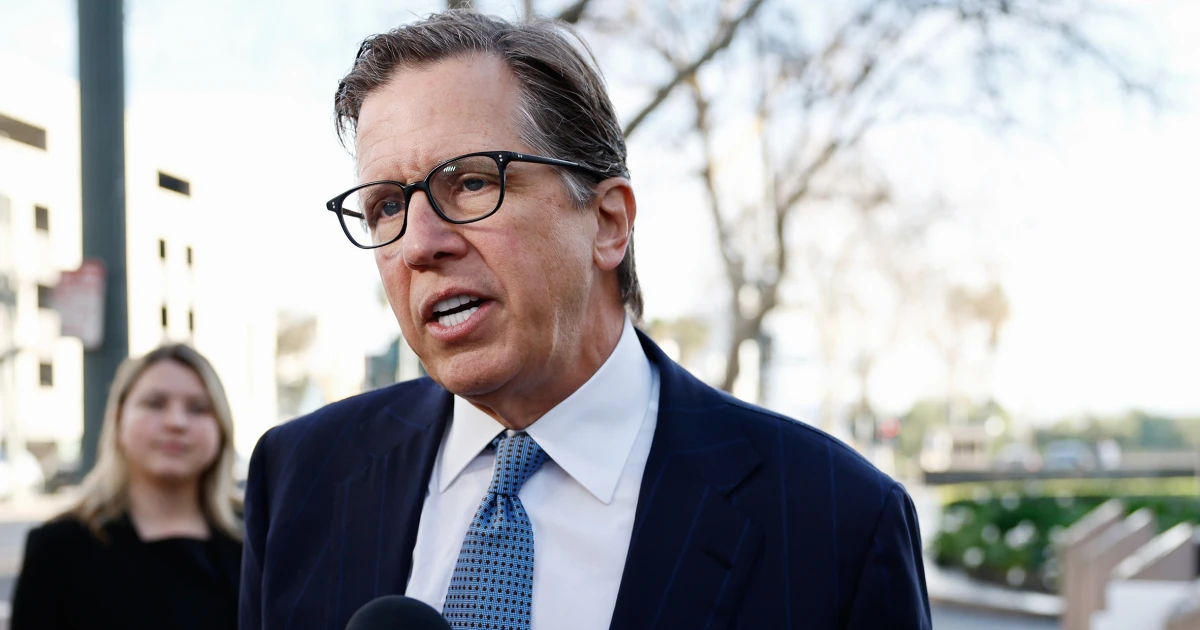
Jury Reaches Verdict in Case Against Social Media Giants
LOS ANGELES — A significant verdict has been reached in a pivotal civil case that accuses major social media platforms of profiting from products engineered to be dangerously addictive for children. The jury’s decision, confirmed by a legal representative for the plaintiffs, is scheduled to be announced during a session this morning.
Trial Highlights and Notable Testimonies
This trial began last month in a Los Angeles County courtroom and was marked by high-profile testimonies, including that of tech leaders such as Mark Zuckerberg. This case is notable as it consolidated numerous claims from over 1,600 plaintiffs, comprising more than 350 families and over 250 school districts.
Implications of the Verdict for the Plaintiffs
If the jury’s verdict favors the plaintiffs, known in court as “KGM,” the companies may face significant damages determined at the jury’s discretion. KGM’s lead attorney expressed hopes that the lawsuit would foster greater transparency and accountability, emphasizing the need for public awareness regarding how these companies contribute to the addiction crisis both nationally and globally.
Defense Claims from Major Tech Companies
Lawyers for Meta and Google’s YouTube, which are named as defendants in the case, refute these allegations. They assert that their platforms, including Meta’s Instagram, are not intentionally designed to be harmful or addictive.
Personal Testimony and Broader Context
The plaintiff, who is now 20 years old, maintained that social media usage during her adolescence led to significant mental health challenges, including depression and anxiety. She testified that excessive engagement with social media detrimentally affected her self-esteem. Feeling compelled to remain active on these platforms, she worried about missing out on social interactions.
Contrasting Views on Causes of Distress
A spokesperson for Meta suggested that KGM’s difficulties stemmed from severe emotional and physical trauma experienced in her younger years, rather than social media usage. Furthermore, YouTube’s legal representatives argued in their closing statements that KGM’s medical files did not indicate any addiction to their platform.
Context of Ongoing Legal Challenges
This verdict follows a separate ruling in New Mexico in which a jury determined that Mehta was accountable for failing to safeguard children against online predators on Facebook and Instagram, resulting in a hefty $375 million civil penalty for Meta. The company has indicated plans to appeal that decision.
Potential Legal Precedents and Future Cases
Deliberations in this Los Angeles trial were extensive, lasting approximately 44 hours over nine days, with reports of difficulties in reaching consensus on one of the defendants. Historically protected by Section 230 of the Communications Act of 1934, social media companies have faced little liability for user-generated content. This lawsuit marks the first civil action aimed at holding a platform accountable for influencing addiction and mental health issues. Notably, TikTok and Snap, also defendants in the KGM lawsuit, settled before the trial commenced but continue to face similar allegations in forthcoming cases.
Matt Bergman, founding attorney at the Social Media Victims Law Center, which advocates for numerous plaintiffs, commented that when his firm initiated lawsuits against social media companies four years ago, reaching this stage was unforeseen. Regardless of the trial outcome, he stated that the mere progression to this point signals a critical shift, emphasizing social media companies’ potential for accountability before an impartial jury.
Shanshan Dong and Angela Yang reported from Los Angeles, with Tim Stelloh contributing from Alameda, California.
