


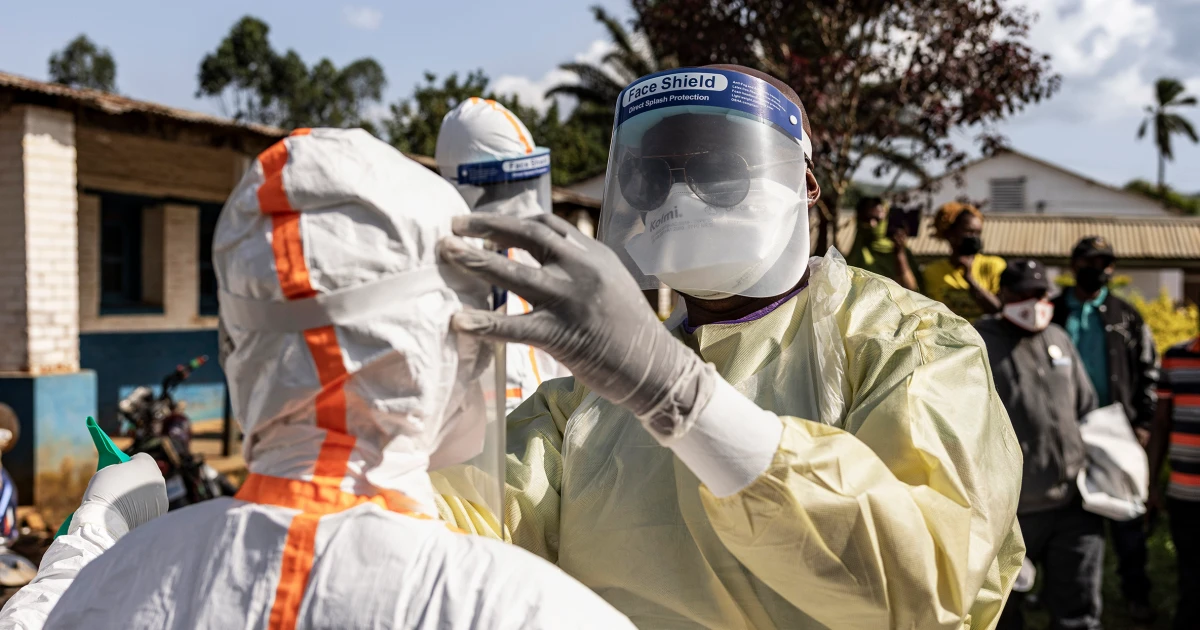
BUNIA Confronts Dual Challenges in Ebola Crisis
BUNIA, Democratic Republic of the Congo — In the ongoing battle against Ebola, medical professionals in the Democratic Republic of the Congo are grappling not only with severe shortages of essential supplies but also with a disturbing trend of violence against healthcare facilities. As the virus continues to spread rapidly, patients are fleeing, further complicating the situation on the front lines.
In northeastern Ituri province, the epicenter of the outbreak, authorities have reported at least three incidents of aggression targeting health facilities, including two assaults on the same hospital over the weekend, which led to more than 20 patients escaping.
Violence Echoes Past Outbreaks
The recent attacks are a chilling reminder of the violence that plagued healthcare facilities during the 2018-2020 outbreak in eastern Congo, which resulted in the deaths of over 25 health workers. Public tensions have escalated, fueled by frustration over burial practices and skepticism about the legitimacy of the outbreak. Local populations, feeling neglected amid years of conflict and humanitarian crises, have become wary of the sudden influx of resources and interest from outsiders.
Dr. Richard Lokodu, director of Mongbuwal General Hospital, noted that a similar atmosphere of mistrust seems to be emerging, with the hospital attacked twice over the weekend. “There is a denial of the existence of this disease; some members of the community insist on retrieving the bodies of both suspected and confirmed cases,” he stated.
Ebola Strain Raises Alarm
The World Health Organization has officially declared an outbreak of the rare Bundibugyo strain of Ebola—a public health emergency. WHO Director-General Tedros Adhanom Ghebreyesus reported more than 900 suspected cases, including 101 confirmed ones, and highlighted a growing concern over the staggering 220 suspected deaths related to the outbreak. Responders are challenged, as they now find themselves “playing catch-up” due to delays in identifying and isolating cases.
Escalating Patient Escapes
On Saturday, 18 Ebola patients escaped Mombwal General Hospital following the burning of a tent designated for isolating patients by unidentified assailants. Of the tests conducted on these patients, one returned positive for Ebola, highlighting an ongoing risk of further transmission within the community.
The hospital faced multiple waves of attacks on Sunday, orchestrated by individuals affiliated with religious leaders who had succumbed to the disease. Law enforcement was called in to restore order as desperate attempts were made to free the bodies of deceased patients for burial. It is critical to note that unsafe burial practices significantly contribute to the spread of the virus, as the remains of Ebola victims pose high contagion risks.
A Pattern of Hostility
Historical context reveals that violent incidents directed at healthcare workers surged dramatically during the Ebola crisis in West Africa from 2013 to 2016. This trend intensified during recent outbreaks in eastern Congo, where public distrust and security concerns created a volatile environment for health professionals. Many of the attacks have been attributed to paramilitary factions looking to exploit the crisis to further their political and economic agendas.
The current outbreak, originating in Ituri, has spread into North and South Kivu provinces and crossed borders into Uganda, where local health authorities have reported an increase in cases. As the crisis deepens, with the total number of cases in Uganda reaching seven, the international community is left to ponder the implications of prolonged unrest on the effectiveness of public health interventions.
