


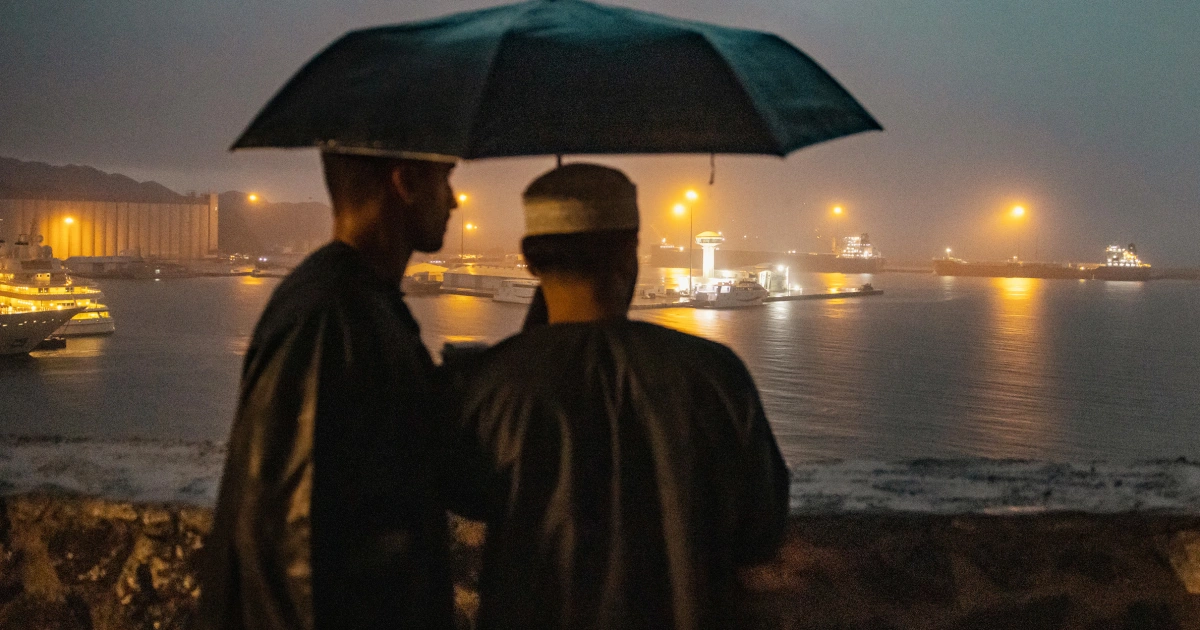
The World’s Most Dangerous Toll Plaza
Doha, Qatar — The Strait of Hormuz is increasingly being dubbed the world’s most perilous toll plaza, as Iran has begun routing oil tankers through a narrow channel that it controls, collecting hefty transit fees from vessels. This revelation comes from maritime data shared with NBC News.
The Tehran Toll Gate Emerges
The new system, referred to as the “Tehran Toll Gate” by shipping industry experts, exemplifies Iran’s effective domination over this critical waterway, despite ongoing military pressures. Analysts suggest that Iran is likely seeking to strengthen its grip over the region in the long term.
Significant Drop in Maritime Traffic
Prior to the commencement of a U.S. and Israeli bombing campaign on February 28, approximately 110 vessels traversed the Strait of Hormuz each day, according to information from Lloyd’s List Intelligence. However, this number has plummeted to fewer than ten per day since those operations initiated, according to data provided by the London-based Maritime Intelligence Agency.
New Navigation Routes Through Iranian Waters
Rather than navigating through the central pathway of the strait, ships are now rerouting into Iranian territorial waters via a confined passage between Qeshm and Ralak islands. Tomer Raanan, a maritime risk analyst at Lloyd’s List, noted that all detected maritime traffic from the strait currently follows this narrow route. The Islamic Revolutionary Guards Corps acts as a de facto toll booth, scrutinizing vessel information before allowing passage.
First Users of the New Route
Since March 13, a minimum of 25 ships have opted for this newly established path, which is located less than 32 miles from Iran’s main naval base at Bandar Abbas. Among these was the Chinese tanker Bright Gold, which set sail on March 23, prompting footage to surface on Douyin, China’s version of TikTok, showing the vessel navigating through the islands.
Formality of Charges for Safe Passage
Reports reveal that Lloyd’s List has tracked at least two ships that processed payments in Chinese yuan for crossing the Strait. Although a cohesive policy appears yet to be in place, Jassem Mohammed al-Budawi from the Gulf Cooperation Council stated on Thursday that Iran has officially begun charging fees for secure passage through these strategically essential sea lanes.
Legislative Moves to Solidify Control
Iran’s state media announced that its parliament is formulating legislation to formalize these tolls, reinforcing claims made by lawmaker Mohammadreza Rezaei Kouchi that it’s customary for vessels and oil tankers to pay for security services. This follows a previous announcement by Alaeddin Boroujerdi from Iran’s National Security Council, who suggested that a $2 million fee would signify Iran’s authority over this vital maritime route.
Recent Military Developments and Their Implications
In related news, Israel confirmed on Thursday that it had killed Alireza Tansiri, the Revolutionary Guards naval commander responsible for maritime operations in the strait. Under his command, Iran has been implicated in attacks on at least 18 ships in the Persian Gulf since the resurgence of conflict, with one tragic incident resulting in the deaths of four sailors on March 6.
The Future of the Strait of Hormuz
Iran’s Foreign Ministry recently informed U.N. Secretary-General Antonio Guterres that the waterway remains open to “non-hostile vessels,” given that they coordinate with Iranian authorities. Statements from the Iranian regime indicate a strategic shift toward formalizing its wartime control over the Strait of Hormuz, with the announcement of five conditions for ending current hostilities, emphasizing the recognition of Iranian sovereignty in the waterway as a primary demand.
