


Minneapolis Woman Speaks Out Against Federal Immigration Tactics
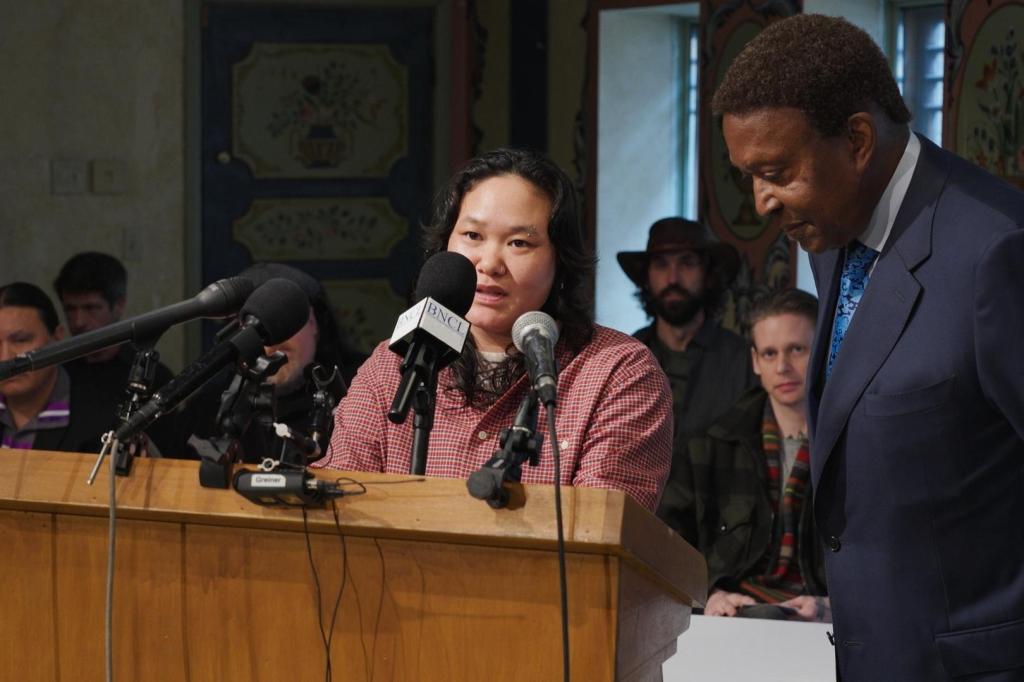
In a powerful display of defiance, a Minneapolis woman who confronted federal immigration officials in January shared her harrowing experience during a news conference on Thursday. Georgia Savageford, speaking publicly as Winnie, recounted witnessing the shooting of Alex Preti by federal agents, emphasizing the profound impact the incident has had on her life.
Trauma and Violence in the Field
Savageford described being in an officer’s vehicle when the tragic event unfolded. “That day changed me forever,” she stated, expressing the lingering trauma that will affect her for the rest of her life. Her concerns extend beyond personal impacts; she has been actively monitoring the actions of federal agents in Minneapolis following the January 7 shooting death of Renee Good, also involving U.S. Immigration and Customs Enforcement (ICE) agents.
Excessive Force Allegations Surface
On January 24, Savageford reported experiencing a disturbing escalation of violence herself. She stated that while at the scene, a staff member pushed her twice, leading to her fall. According to her account, three officers then tackled her, dragging her face-down into the street, kneeling on her back, and handcuffing her with such force that it caused temporary nerve damage and loss of feeling in her hands.
Call for Accountability and Investigation
Efforts to hold federal officials accountable have gained traction, with Minnesota authorities filing a lawsuit against the Trump administration on Tuesday to obtain evidence that could support an independent investigation into these killings. Despite these ongoing issues, representatives from the Department of Homeland Security and ICE had not responded to requests for comment as of Thursday.
Witnessing Tragedy and Fear of Violence
As Savageford recounted the chaotic moments after her arrest, she touched on the emotional toll. Preti, who was filming her arrest, shouted for investigators to leave him alone before he was shot. “At that moment, I thought I was going to die too,” she described, adding that she begged the officials not to take her life. The officers’ dismissive responses compounded her fear, as they instructed her to remain quiet.
Detention Conditions and Release
After the incident, Savageford was taken to an ICE detention facility where she endured a grueling 12-hour period without adequate access to food, water, or restrooms. Ultimately, she was released without charges, but the impact of her ordeal continues to resonate deeply. “I didn’t know him, but I knew he had my back,” she said of Preti, highlighting the shared sense of community and protection that she felt he embodied.
Legal Actions and Next Steps
At the news conference, Savageford stood alongside Oakland civil rights attorney John Burris and others who are orchestrating a class-action lawsuit against the perceived excessive force used by law enforcement against protesters and observers. Burris, who has a track record of successful legal actions against police misconduct—including an $11 million settlement against the Oakland Police Department—confirmed that complaints had been filed with federal agencies on behalf of ten individuals, including Savageford.
Burris stressed the importance of starting the legal process to ensure that government officials recognize the gravity of the situation. “We want the government to know we are here,” he asserted, emphasizing the need for accountability in light of ongoing investigations involving several other individuals. This coordinated effort marks a significant step forward in advocating for justice amid rising tensions and violence in Minnesota.
