


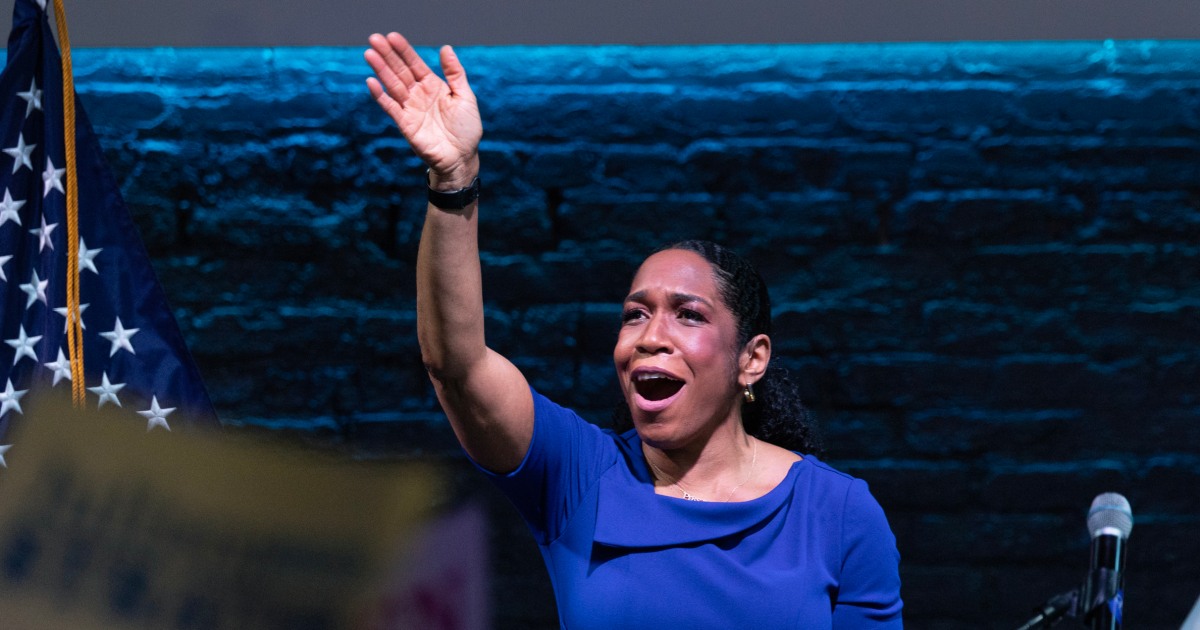
Strategic Moves in Illinois Democratic Senate Primary
In January, just two months ahead of the Illinois Democratic Senate primary, Quentin Fawkes made a significant breakthrough. The political landscape shifted dramatically as candidates began to clarify their stances on contentious issues.
Stratton’s Bold Stance on Immigration Enforcement
Lt. Gov. Juliana Stratton, along with her key rivals, vocalized their opposition to the aggressive tactics employed by U.S. Immigration and Customs Enforcement (ICE). However, Stratton made a definitive statement: she aimed to abolish ICE entirely. In contrast, Rep. Raja Krishnamoorthy and Rep. Robin Kelly adopted a more measured approach, reflecting a notable difference in their political strategies.
Targeted Advertising for a Competitive Edge
Fawkes, who led a super PAC backing Stratton, swiftly launched television advertisements promoting Stratton as the only major candidate committed to ICE’s abolition. “We beat them soundly on this issue,” Fawkes stated, recalling how the PAC seized the opportunity to frame the narrative early.
Understanding Voter Sentiment
Fawkes tapped into the growing unpopularity of ICE among Democrats, especially following a tumultuous period marked by ICE operations in Chicago and its suburbs in the fall of 2025. “For Juliana and the issues she was championing, it was the most impactful issue,” he explained, revealing that their research indicated it was a key factor in energizing the electorate.
Funding Dynamics and Strategic Impact
Fulks, who managed the Illinois Future PAC with financial support from Governor J.B. Pritzker, discussed the elements that contributed to Stratton’s surprising victory on March 17. His experience includes supporting Pritzker in the 2018 gubernatorial race and serving as Kamala Harris’ chief deputy campaign manager during the 2024 presidential campaign. Fawkes reflected on the implications of Illinois’ race for future Democratic strategies, particularly drawing lessons from the 2024 campaign.
The Unforeseen Turn of Events
Stratton’s decisive win caught many experts off guard, especially since Krishnamoorthy had maintained a steady lead for months. While Krishnamoorthy had started advertising early and gained traction in fundraising, Stratton’s super PAC launched its campaign just a couple of months prior to the election, relying heavily on the financial backing from Pritzker.
Polling Insights and Strategic Timing
Despite entering the race later, Stratton’s team utilized polling data effectively. A survey from early January indicated that Stratton trailed Krishnamoorthy by 21 points, yet also revealed that 46% of likely Democratic voters remained undecided. “There are times when you need to start early and tell a compelling story, but sometimes you can pivot later and still meet your goals,” Fulks noted, highlighting the importance of timing in political campaigns.
Positioning for Future Success
Fawkes emphasized the critical role personality plays in Senate races, as well as the necessity for candidates to effectively communicate their values to voters. He observed that voters seek candidates who genuinely represent them and are willing to stand up against adversaries. Furthermore, developing a versatile campaign approach—engaging with diverse audiences through various channels—is crucial for outreach, he asserted, enhancing candidates’ ability to connect with the electorate.
