


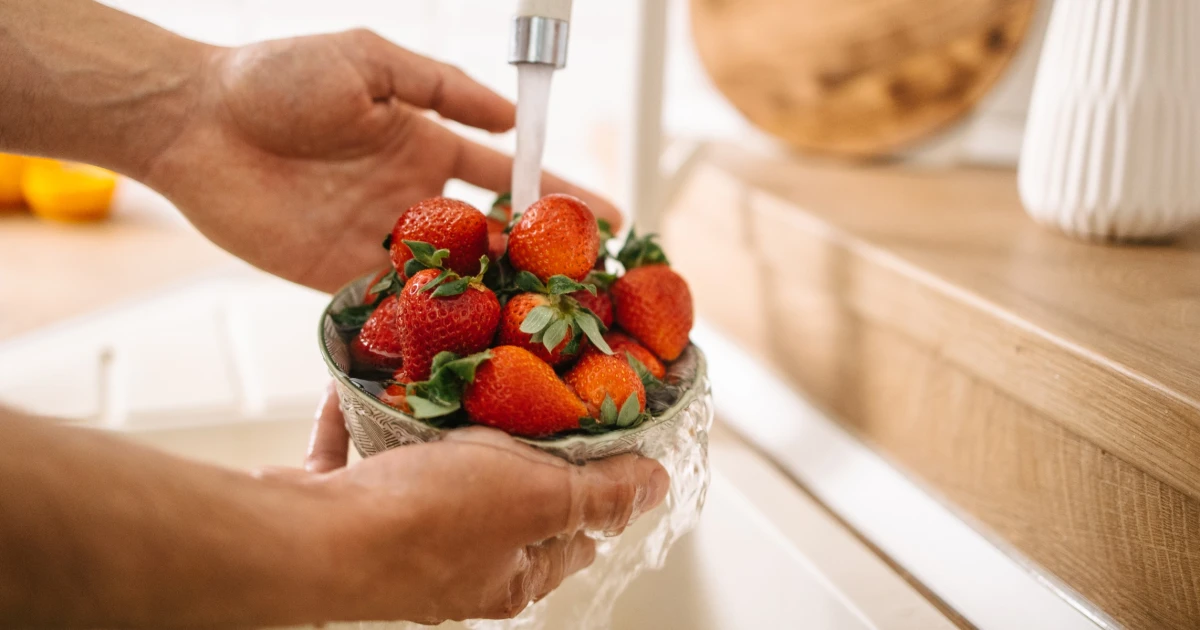
Strawberries are a staple fruit found in grocery stores year-round. However, it’s essential to wash and clean them thoroughly when you bring them home, particularly in light of a rising number of cyclosporiasis cases reported in the United States. This illness is caused by the Cyclospora parasite, which can be transmitted through contaminated crops, including strawberries, lettuce, and apples, and is characterized by severe gastrointestinal symptoms such as diarrhea.
To minimize the risk of contamination and extend the shelf life of strawberries, I consulted experts, including microbiologists and culinary instructors, to discover the most effective cleaning methods and products available on the market.
The Recommended Approach to Washing Strawberries
Ensuring that you wash your fruit properly is crucial to prevent illness, but this doesn’t mean you should forgo fruit altogether. Proper washing techniques can not only help you avoid health issues but can also prolong the freshness of your strawberries. Below are detailed methods based on expert advice.
Start by sorting through your unwashed strawberries, discarding any that show visible signs of bruising, spoilage, or mold. If you’re not consuming the strawberries immediately, store them in a well-ventilated container or transfer them to a designated produce storage container. When you are ready to use them, prepare a large glass bowl along with a colander or fine sieve. Place the strawberries in the colander and immerse them in a mixture of one part distilled white vinegar to three parts cold water (for instance, 1 cup of vinegar to 3 cups of water). According to Michael Handal, a culinary instructor at the Institute of Culinary Education, gently move the strawberries around to dislodge excess dirt and let them soak for up to one minute to avoid altering their texture. After draining the strawberries, transfer them to a large cutting board lined with paper towels, spreading them out in a single layer. To dry them completely, pat them gently with another paper towel. It is crucial to minimize moisture, as any leftover dampness will hasten deterioration.
Effective Cleaning Products for Strawberries
The following products have garnered an average rating of 4 stars or higher from over 500 reviews on Amazon.
The OXO Good Grips Small Salad Spinner is suitable not just for lettuce, but also for effectively drying washed strawberries. Fill it with a solution of water and distilled white vinegar, then spin to remove excess moisture. You can complete the process by blotting with paper towels before placing the strawberries in a ventilated storage container.
Lucy’s Family Distilled White Vinegar is versatile and ideal for cleaning produce. The pleasant quality of this vinegar is that the taste dissipates entirely once washed and dried. This aspect is also applicable for home cleaning, making it a favorite in many kitchens.
Another notable option, Veggie Wash, is crafted from a blend of water, glycerin, potassium hydroxide, and natural oils. It’s specifically designed to clean fruits and vegetables while removing any waxy coatings that may harbor contaminants. Users appreciate that it doesn’t leave a lingering taste and carries only a mild aroma.
For storage, consider the Freshmage Large Fruit Storage Container Set, designed to keep produce like strawberries and leafy greens fresh. This set incorporates a removable insert that doubles as a mini colander to facilitate air circulation, thereby prolonging freshness.
Understanding the Importance of Washing Strawberries
In summary, the answer is yes, it’s crucial to wash strawberries and other fresh produce. Even if they appear clean, berries can harbor dirt, bacteria, and trace pesticides. According to Handal, washing fresh produce is vital due to these hidden contaminants, and the cleaning method should be tailored to the type of produce involved.
The Role of Vinegar in Cleaning
Dr. Sharon Nachman, a pediatric infectious diseases professor at Stony Brook University, emphasizes that while cold water removes surface impurities, the addition of distilled vinegar enhances the cleaning process. Vinegar’s acidic nature discourages bacteria and “bugs,” effectively aiding in the removal of contaminants from strawberries.
Effectiveness of Vinegar Against Cyclospora
While vinegar may not eliminate pathogens like those associated with Cyclospora, its acidic properties make it a valuable tool for reducing bacterial presence. As Nachman points out, combining vinegar with running water can significantly enhance the cleaning efficacy.
Best Practices for Washing Strawberries
It’s generally advisable to wash strawberries just prior to consuming or cooking them. Washing all strawberries at once can lead to excessive moisture, which accelerates spoilage. Strawberries should be kept in their original clamshell plastic containers or a loose plastic bag. Sorting out any damaged fruits before refrigeration is also key to preserving the remaining berries.
Expert Insights
At NBC Select, our team collaborates with knowledgeable experts to provide trustworthy advice. Michael Handal, a culinary educator at the Institute for Culinary Education, and Dr. Sharon Nachman, a leading physician in pediatric infectious diseases, offer their insights to ensure our recommendations are reliable and free from financial conflict.
