


Reduction of Longstanding Immigrant Assistance Program Sparks Uncertainty
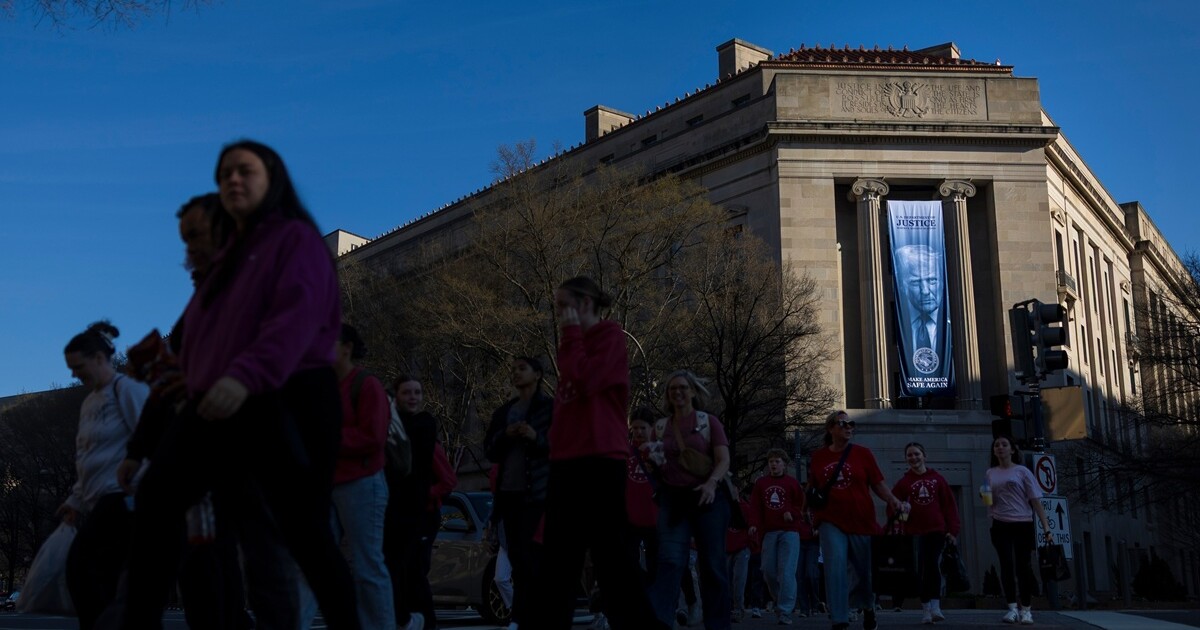
The recent and abrupt scaling back of a 60-year-old immigrant assistance program by the U.S. Department of Justice (DOJ) has left social service agencies in central and southern Illinois grappling with uncertainty regarding the program’s future. CBS News initially reported that all senior attorneys involved in the Recognition and Accreditation (R&A) program were reassigned last week.
Daniel DeWinter serves as the legal director of the Immigration Project, an organization that supports immigrants in central and southern Illinois. In an interview with WGLT’s Sound Ideas, he explained his team’s commitment to delivering high-quality legal services, emphasizing the importance of structured team dynamics to ensure every client receives the utmost support.
The focus of their legal work revolves around providing universal representation to vulnerable populations such as individuals in immigration detention, directly representing clients in court, and advising those who choose to represent themselves. Currently, approximately 30 representatives operate under the guidance of certified attorneys, collectively reaching around 948 individuals in the region.
Understanding the Recognition and Certification Program
Established in the 1960s, the R&A program allows individuals to become certified in immigration legal matters. The Immigration Project has held R&A certification since 2017. DeWinter pointed out that this program is crucial for communities in areas like central and southern Illinois, where access to legal services is severely limited. The R&A program sets standards for training and supervision, enabling non-lawyer representatives to practice immigration law under qualified guidance.
The individuals certified through this program can act as agents of the Department of Justice, with specific training requirements and continuing education mandates. DeWinter noted that this certification is exclusive to nonprofit organizations and individuals, categorized as either partial representatives—permitted to practice only in affirmative immigration cases—or full representatives, who can litigate in immigration court.
Concerns Over Future Staffing
The Immigration Project’s apprehension stems from the fact that new personnel applications are pending. The organization had anticipated expanding its DOJ staff but has encountered delays due to the recent structural changes. DeWinter revealed that there are currently three additional individuals seeking full certification and one seeking renewal, whose applications now languish amidst this uncertainty.
The Immigration Project first learned about the program’s reduction through media reports, receiving no formal communication from the DOJ. This lack of information has left the team feeling unsettled, as their primary concern is the potential loss of legal representation for their clients. DeWinter highlighted that while current certifications remain valid pending applications, the broader implications for the immigration system could be dire. “Without proper legal guidance, many immigrants may struggle to navigate the complexities of the system, leading to increased fraud due to missteps and misunderstandings,” she remarked.
Current Challenges in Immigration Policy
DeWinter expressed deep concern over the long-standing delays within the immigration system, exacerbated by further changes to established programs. She observed that the R&A program and similar initiatives were designed specifically to assist individuals in obtaining documentation and achieving stability within the United States. “The more adjustments the government makes, the harder it becomes for individuals to progress,” she added, speculating whether these obstacles are intentionally designed to discourage persistence among applicants.
Additionally, DeWinter noted how the Trump administration’s policy shifts led to significant cuts and modifications in immigration services, a popular theme throughout its tenure. “We are focused on educating our community about their rights and options, ensuring that they do not feel powerless in the face of these complexities,” she affirmed.
Monitoring Funding and Political Battles
The Immigration Project is also staying informed on the evolving discussions surrounding funding for the Department of Homeland Security, especially regarding Immigration and Customs Enforcement (ICE). DeWinter stated that her organization has opted not to engage directly in these political battles due to concerns over staff burnout from ongoing advocacy efforts. The complexity and volatility of immigration law have placed an additional strain on services that aim to support vulnerable populations during these challenging times.
