


FBI Identifies Synagogue Attack as Hezbollah-Inspired Terrorism
A car ramming and shooting at a large synagogue in Michigan earlier this month has been classified by the FBI as an act of Hezbollah-inspired terrorism aimed at the Jewish community. This revelation was made during a press conference on Monday, where FBI Special Agent in Charge Jennifer Runyan provided insights into the perpetrator’s motivations.
Details of the Attack
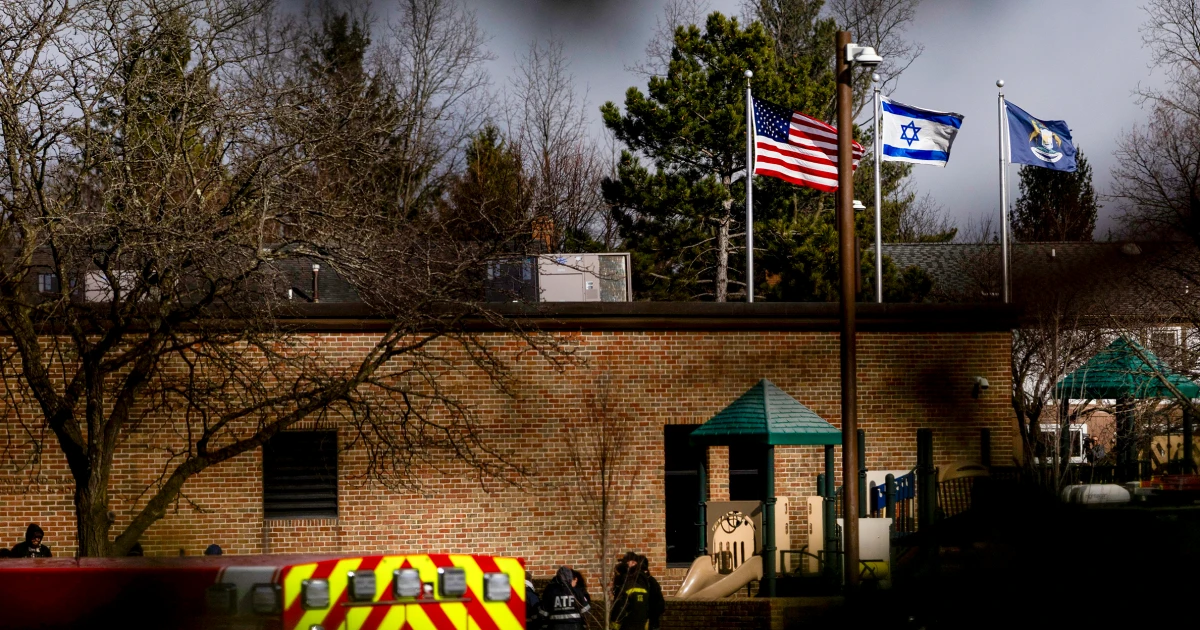
Ayman Mohammad Ghazali, a 41-year-old U.S. citizen of Lebanese descent, purchased the AR rifle used in the March 9 incident just three days prior to the attack. He drove a truck filled with gasoline and fireworks into the Temple Israel Synagogue in West Bloomfield and opened fire. In the ensuing chaos, Ghazali engaged in a gunfight with security guards before ultimately taking his own life, unable to escape from his immobilized vehicle. Remarkably, no other individuals were killed during this violent episode.
Evidence and Threat Assessment
Runyan stated that preliminary evidence suggests the attack was a targeted assault motivated by anti-Israeli sentiments. Prior to the attack, Ghazali sent a video to his sister in Lebanon, which officials believe she did not view until an hour after the incident. In this video, he expressed his intention to inflict harm on what he referred to as “the largest gathering of Israelis in Michigan.” The chilling message indicated his desire to kill as many Israelis as possible.
Investigation Findings
According to investigators, no evidence of co-conspirators has been discovered. Runyan noted that at one point, Ghazali’s sister urged him to cease his messaging. The attack occurred approximately two weeks following U.S. and Israeli airstrikes on Iran, which resulted in the death of Supreme Leader Ayatollah Khamenei and subsequent regional conflict.
Background on Hezbollah
Hezbollah, an Iranian-backed extremist organization based in Lebanon, has been notorious for its attacks against Israel and has been designated a foreign terrorist organization by the U.S. since 1997. Recent military actions by Israel, including airstrikes targeting Hezbollah, have heightened tensions in the region.
Personal Grievances and Preparations
Before the attack, Ghazali reportedly lost several family members due to Israeli airstrikes in Lebanon, which may have fueled his aggression. Although he had been researching pro-Hezbollah material online since January, planning for this specific attack did not intensify until March 9. On that day, he unsuccessfully attempted to purchase firearms from two individuals before ultimately acquiring an AR-style rifle, high-capacity magazines, and a considerable amount of ammunition at a local gun store.
Execution of the Attack
In the days leading up to the attack, Ghazali also ordered supplies such as water containers and fireworks, which he used to intensify the fire after crashing into the synagogue. A significant blaze erupted post-attack, leading to injuries among first responders due to smoke inhalation, although no other fatalities were reported aside from Ghazali. During the attack, he exchanged gunfire with security personnel before igniting fireworks inside the building.
The Community Impact
Temple Israel, the largest Reform synagogue in Michigan, boasts a membership of approximately 12,000 individuals. The incident has sent shockwaves through the local Jewish community, highlighting ongoing concerns regarding domestic terrorism and anti-Semitic violence.
