


Republicans Push Forward with Controversial School Voucher Amendment in Tennessee
Tennessee Republicans are advancing a contentious amendment aimed at expanding school vouchers statewide. This initiative also ties in new policies that would impose financial penalties on public school districts if undocumented students fail to enroll.
House Speaker Voices Support for Voucher Legislation
On April 1st, House Speaker Cameron Sexton made a notable appearance before the House Finance and Revenue Subcommittee to express his backing for House Bill 2532. Originally proposed by Governor Bill Lee, the bill seeks to increase the state’s Educational Freedom Scholarships from 20,000 to 40,000 students.
Amendment Modifies Scholarship Expansion
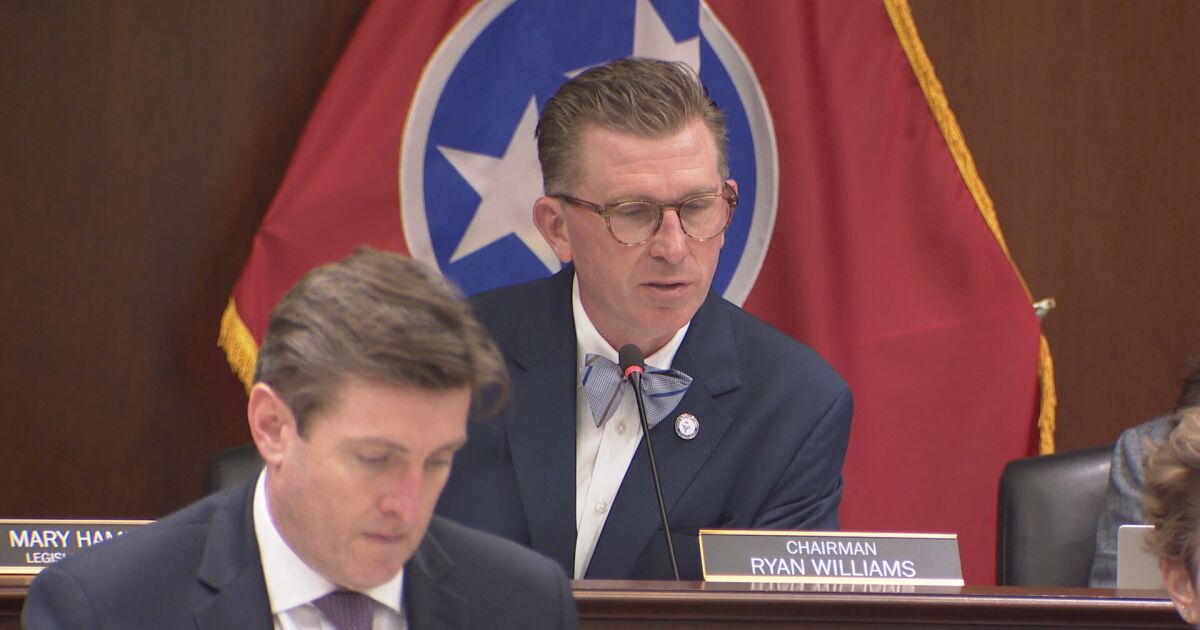
However, the latest amendment alters the proposed expansion significantly, capping scholarship availability at 35,000 students for the 2026-2027 school year. Representative Ryan Williams clarified during a subcommittee discussion that “we’re reducing the number of new scholarships from 20,000 to 15,000.”
New Funding Structure Raises Concerns
The changes regarding school funding have sparked significant controversy. Under existing law, school districts do not lose funding when students transfer to private schools or leave for other reasons. Under the proposed amendment, funding will be withheld from districts if expelled students can demonstrate U.S. citizenship, pending citizenship status, valid immigration documentation, or ongoing immigration proceedings without a final expulsion order.
Impact on Urban School Districts
This requirement would compel school districts to inquire about citizenship status during student enrollment. Urban districts like Metro Nashville might experience funding reductions if they witness an increase in the disenrollment of undocumented immigrant students. Williams highlighted the need for transparency, asking, “How many children are we actually funding?”
Shift in Funding Philosophy
The proposed funding changes represent a stark contradiction to previous claims made by state Republicans regarding the impact of voucher legislation on public school financing. Governor Lee had previously assured that “no public school system will lose funding due to expulsion at any time” in anticipation of the 2025 voucher vote.
Prioritization and Reporting Requirements for Vouchers
The amendments also redefine the prioritization process for voucher allocation. First, previous recipients will receive priority, followed by students from households earning at or below 100% of the free or reduced-price lunch criteria, and then those at or below 300%. If there are still unfilled slots, households above this income threshold may apply.
In addition, the bill mandates that states report the county, public school enrollment, and household income bracket of voucher applicants for the first time. Williams asserted, “This bill would fix the agenda and bring transparency.” The subcommittee ultimately approved the bill by a vote of 9-3, with Democratic state Representative Johnny Shaw present but abstaining from the vote. The proposal will soon move to the full Finance Committee.
