


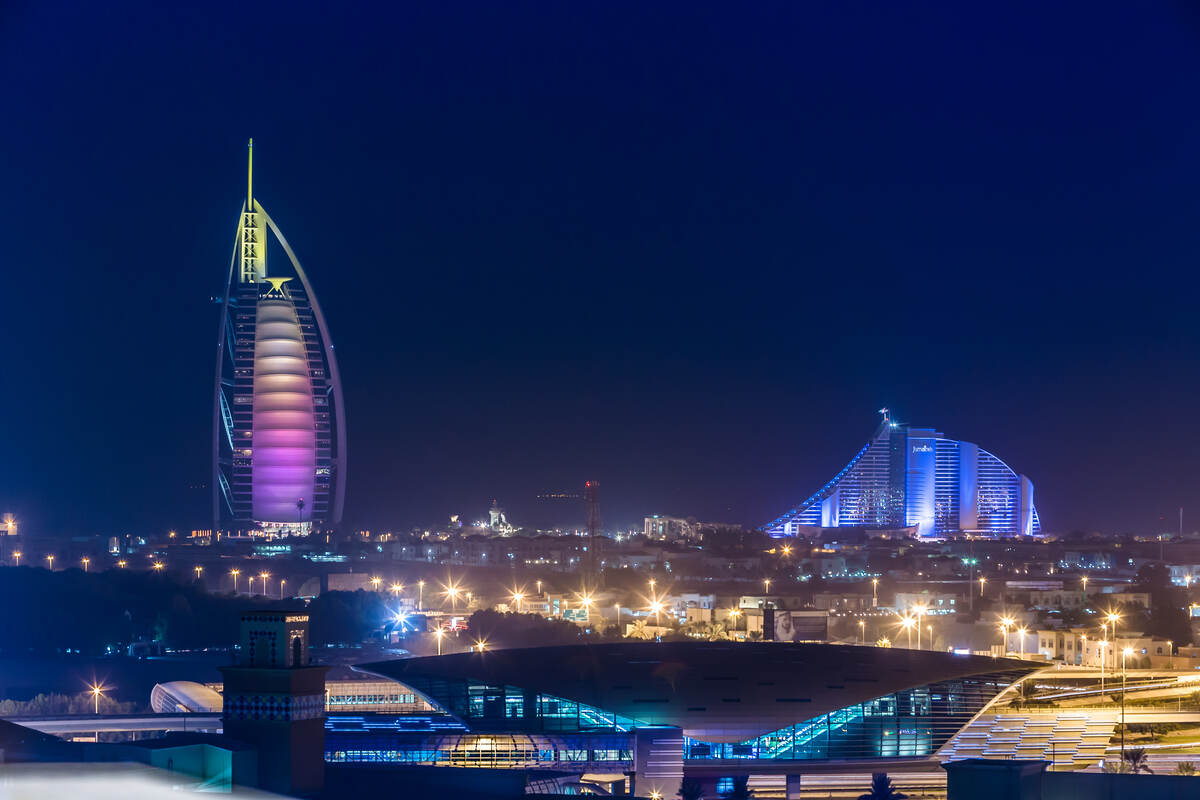
Dubai’s Hospitality Sector Faces Significant Challenges Amid Regional Tensions
Dubai’s once-thriving hospitality industry, a favored destination for Nigerian tourists, shoppers, and corporate visitors, is experiencing one of its most severe economic downturns in years. The ongoing conflict involving the U.S., Israel, and Iran has severely disrupted tourism flows to the Gulf, leading to significant consequences for local businesses.
Dubai: The Preferred Destination for Nigerians
For countless Nigerians, Dubai represents more than just an overseas getaway; it’s often the first choice. Whether for holiday escapes, luxury shopping, or family vacations, the city has established itself as a highly accessible and desirable hub. However, recent events have caused a notable decline in this once-robust tourism pipeline.
Struggling Businesses Report Sharp Revenue Declines
Restaurants and shops that previously enjoyed a steady mix of tourists and expatriates now find themselves operating significantly below capacity. Many business owners have reported revenue drops exceeding 50%, with some tourist-dependent stores suffering declines of up to 80%. The dramatic shifts have forced many to reconsider staffing and compensation models to remain viable.
Challenges Extending Beyond Dining Establishments
The repercussions of the conflict extend well beyond food and beverage venues. Dubai’s intricate tourism ecosystem, which includes hotels, airlines, travel agencies, and transportation services, is increasingly strained. Ongoing flight cancellations, safety apprehensions, and general uncertainty are deterring potential visitors.
Tourism Numbers Show a Notable Decline
Dubai welcomed nearly 19.6 million international visitors last year, solidifying its position among the world’s top tourist destinations. With flexible visa policies and an array of flight connections, the city enjoyed a vibrant tourism landscape. However, this momentum has faltered as air travel into the region has plummeted since the onset of conflict, with thousands of flights grounded and Dubai International Airport occasionally operating below capacity, impacting global travel logistics.
Accommodation Rates Plummet
Hotel occupancy rates have dramatically decreased in recent weeks, sinking to between 15% and 20% shortly after the war began. In response, properties across the market, including luxury resorts like those on Palm Jumeirah, have slashed room rates by as much as 50% to attract the dwindling number of visitors still willing to travel.
Impact on Events and Employment
Dubai’s role as a global events hub is also under pressure, with numerous conferences and trade shows—typically reliable sources of business travel—being postponed. This has complicated travel arrangements and diminished short-term demand within the sector. The challenges are further exacerbated for the many immigrant workers supporting the hospitality industry, as reduced working hours, unpaid leave, and layoffs become increasingly commonplace amid cost-cutting measures.
Future of Tourism Remains Uncertain
The slowdown manifests following years of aggressive business expansion, during which Dubai rebounded impressively from the pandemic. The increase in tourism, notably from Africa, catalyzed extensive hotel development, yet this supply is now under considerable strain. Reports indicate that over 226,000 short-term bookings have been canceled across the UAE within the first month of the conflict, emphasizing the scale of the disruption.
Response from Authorities and Potential Recovery
Analysts suggest that a prolonged conflict could lead to tens of millions fewer visitors to the Middle East this year, threatening billions of dollars in tourism revenue. In anticipation of these difficulties, Dubai authorities have launched a $272 million assistance package aimed at supporting businesses, including relief for the hotel sector. Plans are underway to restart tourism campaigns as soon as conditions stabilize, leaving the recovery outlook hinging on how swiftly the regional tensions can be alleviated.
Should the situation improve in the coming months, industry experts anticipate a rebound coinciding with the peak festive season, traditionally a popular time for Nigerian travelers visiting Dubai. Conversely, if instability persists, Nigeria’s preference for Dubai as a primary international escape may dim as travelers explore alternative destinations that offer greater stability and affordability.
