


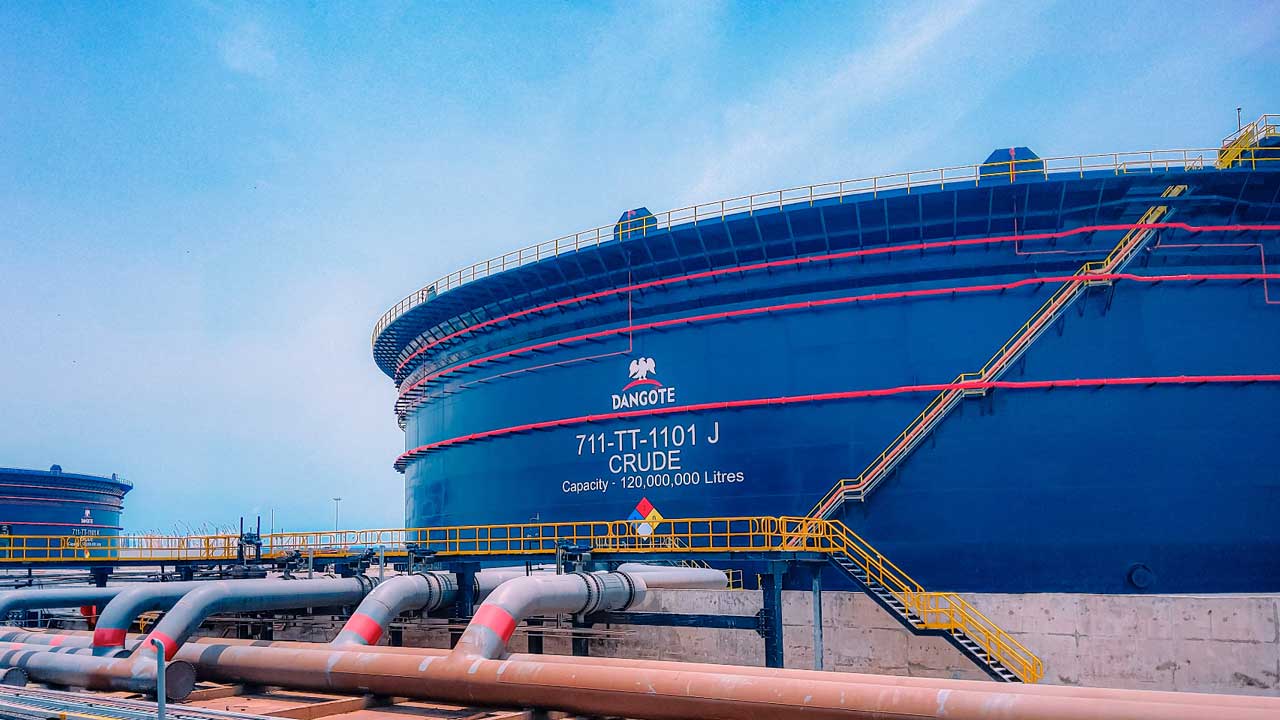
Dangote Refinery Achieves Notable Increase in Crude Oil Processing Capacity
Dangote Petroleum Refinery & Petrochemicals has successfully boosted its crude oil processing capacity to 700,000 barrels per day (bpd) during recent performance tests conducted by its process licensor. This accomplishment marks a pivotal moment in the expansion of the refinery’s operations, solidifying its status as the world’s largest single-train oil refinery. The new capacity surpasses the refinery’s original nameplate capacity of 650,000 bpd, showcasing its superior engineering capabilities and operational efficiency. This milestone underscores the facility’s ability to process larger volumes of feedstock while enhancing the performance of the entire production unit.
Strategic Plans for Enhanced Production Capacity
Devakumar Edwin, vice president of oil and gas at Dangote Industries Limited, confirmed that this expansion is part of a comprehensive strategy aimed at more than doubling the refinery’s production capacity to 1.4 million barrels per day within the next 30 months. This ambitious goal positions the facility to potentially become the largest refinery globally. Edwin emphasized that this expansion is not only crucial for increasing Nigeria’s energy self-sufficiency but also for reducing reliance on imported refined products and establishing the country as a regional hub for exports.
Impact on Nigeria’s Energy Landscape
The Dangote refinery, owned by prominent Nigerian businessman and philanthropist Aliko Dangote, is set to commence fuel production in 2024. The facility has already begun scaling up the production of gasoline, diesel, aviation fuel, and other refined petroleum products. As it increases output, the refinery is rapidly positioning itself as a significant supplier to both domestic and international markets, exporting refined products to various African nations as well as major European destinations such as the UK, France, Spain, Italy, and the Netherlands. Notably, it is also supplying gasoline to the U.S. market and jet fuel to Saudi Arabia.
Strengthening Energy Security Amid Market Turmoil
Through its increased output, the Dangote refinery is enhancing its role as a stabilizing force in the oil and gas sector, especially during periods of volatility linked to ongoing tensions in the Middle East. Many African nations are increasingly relying on local refineries to bolster their energy security, and the Dangote facility is poised to meet this demand effectively.
Leadership in Jet Fuel Exports
In another notable achievement, the Dangote refinery became the world’s largest exporter of jet fuel as of April, according to reports from S&P Global Commodities. By stabilizing Nigeria’s fuel supply and diminishing reliance on foreign petroleum imports, the refinery aims to alleviate pressure on the country’s foreign exchange reserves. This expansion is crucial for aligning with national efforts to enhance local refining capabilities and optimize the utilization of Nigeria’s crude oil assets.
Attracting Global Interest in Crude Supply
The surge in production capacity has also generated heightened interest from global crude oil suppliers and commodity trading companies. Refineries are increasingly sourcing feedstock from both domestic and international producers to meet the rising production levels. As the Dangote refinery ramps up its operations, its influence on global energy markets is likely to grow significantly.
Future Vision for the Largest Refinery
Looking ahead, Aliko Dangote has laid out strategic plans to transform the refinery into the largest in the world by 2028, with a targeted processing capacity of 1.4 million barrels per day. This proposed expansion is anticipated to bring substantial economic benefits, including job creation, increased industrial activity, and an improved trade balance for Nigeria. Additionally, the refinery is expected to bolster downstream manufacturing by ensuring a steady supply of essential raw materials like liquefied petroleum gas (LPG) and polypropylene, which are critical for packaging and consumer goods production. Future initiatives may also focus on supplying linear alkylbenzenes (LABs), a vital component in detergent manufacturing.
