


Surprising Election Outcomes and the Lessons of 2016
On the evening of June 23rd, I decided to turn in early after casting my vote in favor of Remain in the UK’s European referendum. To my astonishment, I learned the following morning that the Leave campaign had triumphed. This shocking outcome contradicted every analysis I had encountered, from news articles to discussions with friends and colleagues, all of which indicated a Remain victory was likely.
Staying Vigilant During Elections
Having learned that unexpected developments can unfold overnight, I made a point to stay awake during the US election in November. As the votes were tallied, I watched states like North Carolina, Ohio, Florida, and Wisconsin turn red, ultimately cementing Donald Trump’s presidency. The year 2016 proved to be eventful globally, underlined by such unexpected twists.
The Danger of Unawareness in Nigeria
However, being “asleep” extends beyond the mere act of closing our eyes. It encompasses a lack of awareness about significant events unfolding around us. In a data-sparse environment like Nigeria, complacency can lead to prolonged ignorance. Often, one only awakens to the harsh realities when it’s far too late.
MMM’s Pervasive Influence
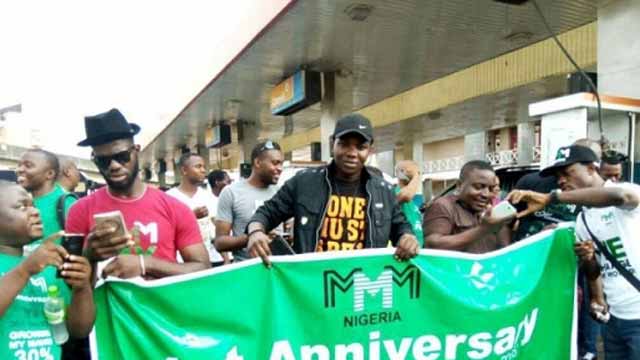
Currently, Nigeria is grappling with the consequences of MMM, a revamped version of a Ponzi scheme that originated in Russia. In just one year, over 3 million Nigerians have signed up for this program. While this rapid growth may seem impressive by local standards, I initially regarded MMM as nothing more than another pyramid scheme. Yet, as time has progressed, its unsettling resilience raises critical questions: Why has this blatant Ponzi scheme endured for so long?
Understanding the Appeal of Non-Conformity
There is a common thread among Brexiteers, Trump supporters, and MMM participants—each operates outside the lines of accepted norms. The ruling class and mainstream media largely supported the EU Remain campaign, leaving those who voted to Leave marginalized and demonized. A similar narrative unfolded during Trump’s campaign, where any endorsement of him seemed counterintuitive. This begs the question: How could an educated individual choose to invest in an obvious Ponzi scheme like MMM?
The Demographics and Consequences of Participation
What is particularly alarming about MMM is that it ensnares not just the impoverished but also affluent individuals. There are accounts of well-paid oil company employees deeply entangled in MMM, with some going so far as to secure loans or pool resources in cooperatives to participate. The potential fallout is dire; should poorer demographics become involved, the scheme could collapse, leading to widespread financial devastation.
The Human Element Behind the Scheme
Ignoring MMM as merely another Ponzi scheme can be misleading. The marketing strategy is particularly astute, enabling participants to convince themselves they are providing “help” to those in need. This misguided sense of altruism is reinforced by promises of substantial returns and recent public relations efforts to build a positive image through donations to those displaced or in need of medical support. Since MMM does not directly collect funds, participants are merely transferring money among themselves, complicating any efforts to shut it down.
Economic Context Fuels the Scheme
Nigeria’s economic landscape adds another layer to this predicament. The country is not only facing a recession but also a pervasive sense of hopelessness driving the middle class to migrate to places like Canada, while countless impoverished Nigerians undertake perilous journeys into Europe via Libya. This environment acts as fertile ground, allowing schemes like MMM to flourish.
Addressing the Underlying Issues
Resolving the MMM issue requires a nuanced approach, much like addressing the complexities of Brexit and the election of Trump. Simplistically vilifying participants will do little to mitigate the issue. Many are aware of the scheme’s structure and are merely seeking to cash out before it collapses. They are often rational actors within a flawed system, and resorting to aggressive enforcement measures will likely exacerbate the problem rather than resolve it.
Listening to All Perspectives
In the old Dutch city of Gouda, one can find inscribed a thought I hold dear: “Audite et alterem partem.” To truly awaken from this slumber, it is essential to engage with all viewpoints. Understanding what draws individuals to MMM will be crucial in devising a strategy to counteract its allure before more people are drawn into its grasp.
