


Nigerian Military Justifies Airstrike on Terrorist Site in Borno State
The Nigerian military’s Operation Hadin Kai has defended its decision to conduct an airstrike on a suspected terrorist stronghold in Jiri village, located in the Gubio Local Government Area of Borno State. Reports indicate that the strike, which occurred on Saturday evening, resulted in at least 30 fatalities, primarily affecting the bustling weekly market at Jiri, a site frequently visited by traders from surrounding areas.
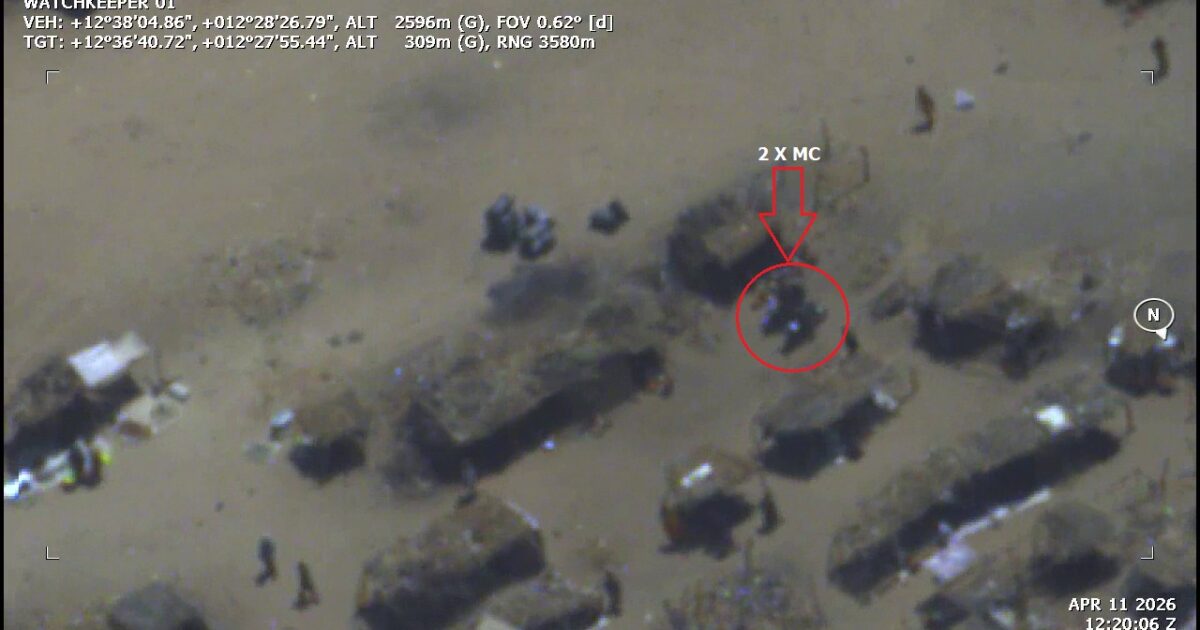
The attack struck during market hours, creating chaos as shoppers and vendors scrambled for safety amid the explosion that rocked the vibrant trading hub. This military operation, executed on April 11, 2026, was part of ongoing efforts to dismantle key terrorist networks in the region that have been linked to the Islamic State West Africa Province (ISWAP).
In a statement released on Sunday, Lt. Col. Sanni Uba, the media and information officer for the Northeast Joint Task Force, highlighted that the targeted site has long been recognized as a logistics base for ISWAP terrorists, serving as a critical corridor for their operations. The airstrike aimed to incapacitate this known haven for militants, following a series of coordinated intelligence-gathering missions.
Uba explained that the air force executed a carefully planned operation after sustained intelligence, surveillance, and reconnaissance efforts. The strike targeted a terrorist settlement and logistics base near Jilli village, described as a vital location for terrorist activities.
Recent military engagements in the area had already escalated tensions, with eight soldiers killed in a previous attack attributed to ISWAP militants. Uba noted the heightened threat level, including a complex IED ambush experienced by troops earlier this year, which resulted in additional casualties. Following these events, military commands have ramped up intelligence operations to monitor terrorist movements and their logistics activities, corroborating reports of ISWAP units on the move toward Jiri on the day of the airstrike.
Uba emphasized the rigorous targeting protocol followed during the operation, confirming that comprehensive surveillance and human intelligence verified the presence of terrorists before the airstrike. This meticulous approach helped ensure that the attack would effectively neutralize the threat without endangering civilian lives.
The aftermath of the operation indicated a successful strike, with significant destruction of terrorist assets. Survivors of the attack were noted to be fleeing the site, suggesting a considerable disruption of ISWAP’s operational capabilities. Intelligence gathered post-attack revealed that these militants were in the final stages of preparing for coordinated assaults on military positions in the Gubio area.
Furthermore, the military claimed to have detained a logistics courier, identified as “Tulja Bru,” who was reportedly involved in supplying support to terrorist factions in the region. This operation reaffirms the military’s commitment to disrupting terrorist logistics and maintaining pressure on insurgent groups operating in Borno and Yobe states.
Uba reiterated the ongoing ban on motorcycle usage across the Northeast Theater of Operations, stressing that such vehicles are frequently utilized by terrorists for rapid movement and operational execution. The military has warned that any suspicious movements within restricted areas will be met with strict action in adherence to established operational directives, reflecting their determined stance against insurgency in Nigeria.
