


President Tinubu Advocates for Tax Reform to Combat Economic Challenges
President Bola Ahmed Tinubu defended his administration’s ongoing reforms aimed at overhauling Nigeria’s revenue framework, emphasizing the need to address an outdated tax system rooted in colonial-era legislation. He contended that this archaic structure has significantly contributed to poverty and inefficiency in the country.
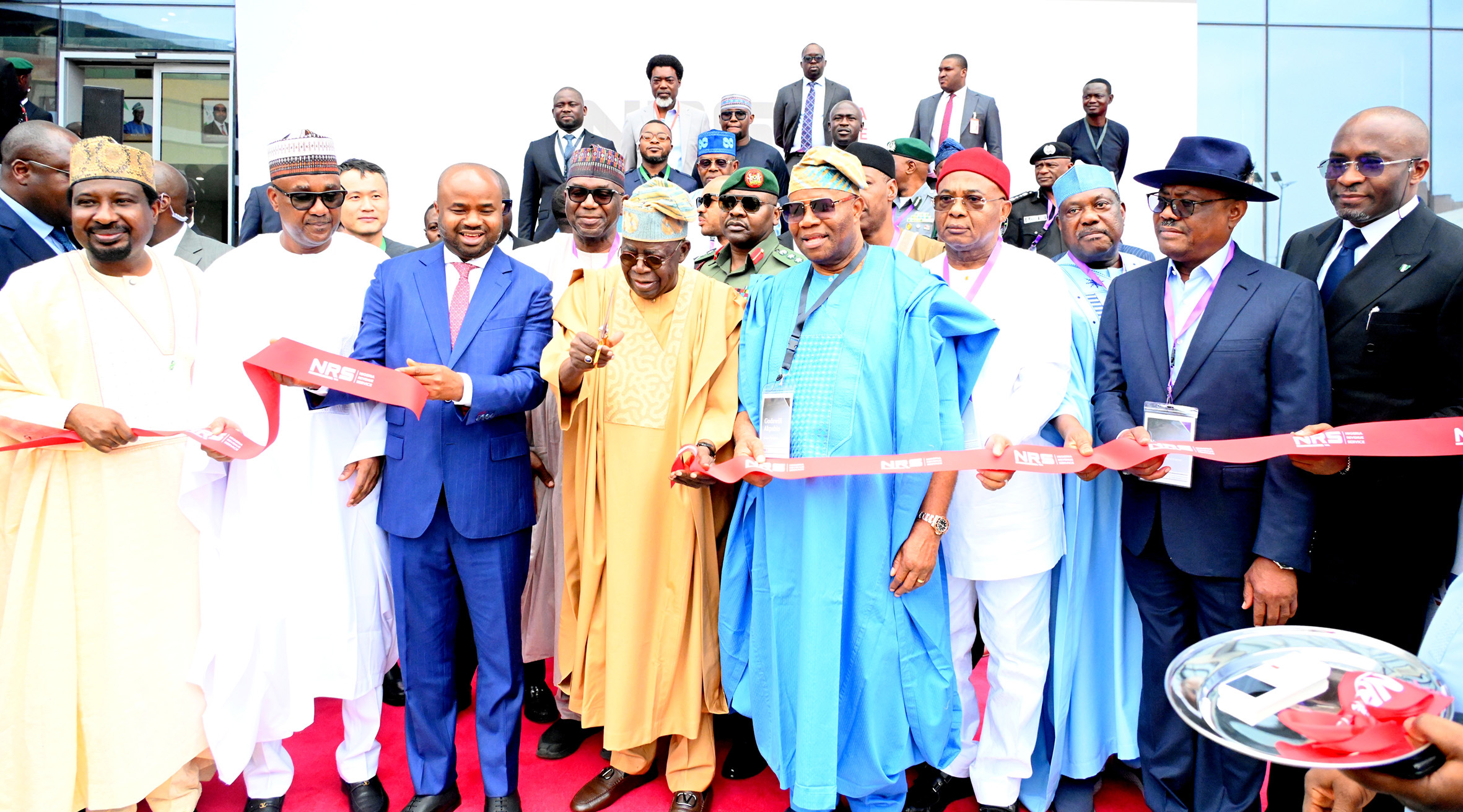
During the inauguration of the new headquarters for the Nigeria Revenue Service (NRS) in Abuja, the President outlined his government’s strategic efforts to enhance fiscal governance and transform the tax landscape. He asserted that the previous system was marred by fragmentation, multiple tax tiers, and inconsistencies that hindered economic growth and eroded public trust.
“On my inauguration day, I pledged to guide Nigerians from uncertainty into a new era of hope. Today, I reaffirm that these words reflect a commitment to the people of Nigeria,” he stated, reiterating the sincerity of his administration’s ambitions.
The newly implemented tax framework, which became operational in January, seeks to streamline processes, eliminate distortions, and cultivate a more investment-friendly climate. This initiative is part of the broader goal of fostering business growth, ensuring equitable revenue collection, and enhancing transparency within government operations.
He emphasized the significance of the occasion, noting, “We are not merely inaugurating a building; we are marking a pivotal moment in our national journey to solidify our fiscal base and restore trust in our public institutions.”
Early indicators from the reforms suggest promising trends in fiscal stability, foreign exchange reserves, and investor confidence, although the President did not disclose specific metrics to substantiate these assertions.
Speaker Tajudeen Abbas, attending the event, acknowledged the long-standing issues plaguing Nigeria’s revenue system, characterized by overlapping responsibilities and weakened connectivity. He pointed out that recent reforms strive to establish a more coherent and effective framework.
“For years, our revenue system has suffered from inconsistency rather than insufficient effort,” he remarked, highlighting the challenges that have hindered progress.
NRS Executive Chairman Zach Adedeji indicated that the reforms mark a substantial departure from previous practices, including the consolidation of numerous tax regulations into a more streamlined system. He reported that revenue receipts have surged from N6.8 trillion five years ago to N28.7 trillion in 2025, attributing this growth to structural reforms and enhanced compliance.
Furthermore, Adedeji noted the introduction of systems such as the National Single Window, designed to bolster fiscal governance by improving trade processes and revenue tracking. Despite the government’s optimistic outlook, apprehensions linger regarding the potential impact of tax reforms on both businesses and households grappling with inflation and increasing living costs.
Nevertheless, President Tinubu maintained that the reforms are geared towards achieving long-term economic stability. He urged the Revenue Service to prioritize fairness, accountability, and public trust in its operations, stating, “We must do more than merely collect revenue; we must cultivate trust and demonstrate that our government is accountable, efficient, and responsible.”
