


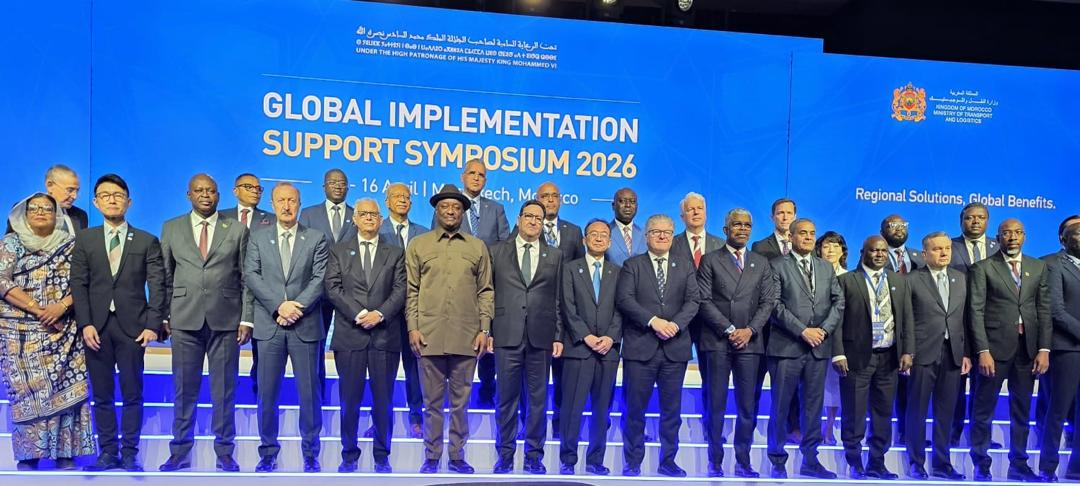
Nigeria’s Aviation Sector on the Brink of Transformation
Nigeria’s aviation industry is set for a significant overhaul following the formal presentation of the country’s Civil Aviation Master Plan (CAMP) by the International Civil Aviation Organization (ICAO) to Minister of Aviation and Aerospace Development, Festus Keyamo. This unveiling took place during the opening session of the ICAO Global Implementation Support Symposium in Marrakech, Morocco.
Strategic Blueprint for the Future
Spanning 20 years, from 2025 to 2045, the master plan seeks to redefine Nigeria’s aviation sector by establishing a structured, sustainable, and globally competitive framework. This announcement represents a vital step in the federal government’s ongoing mission to modernize the industry and align it with international best practices.
Bridging the Skills Gap in Aviation
During the Ministerial Roundtable at the symposium, Keyamo emphasized the future of Nigeria’s aviation workforce. He outlined the government’s intentional efforts to bridge the skills gap within the aviation ecosystem, recognizing the necessity for a highly skilled labor force capable of adapting to the rapidly changing global aviation landscape.
Development and Implementation of the Master Plan
A statement issued by Tunde Moshood, the Special Adviser to the Minister on Media and Communications, confirmed that the Minister pre-approved the master plan’s development, which the ICAO’s Capacity Development and Implementation (CDI) Division subsequently executed. The process commenced in September 2022 with a detailed training program on civil aviation master planning that engaged key stakeholders from across the sector.
Alignment with National Development Goals
CAMP is strategically aligned with Nigeria’s National Development Plan and other significant policy frameworks, ensuring coherence with the broader economic and infrastructure goals of the Federal Government. The plan is built on globally recognized pillars critical to developing a modern aviation industry, including infrastructure advancement, safety and security, sustainability, and human capital development.
Modernizing Infrastructure and Enhancing Connectivity
The primary focus of the master plan is to modernize airport infrastructure to better accommodate the anticipated rise in passenger and cargo traffic. Additionally, the implementation of cutting-edge technologies, such as unmanned aircraft systems, is a priority. The plan also underscores the imperative of adhering to international safety standards in pursuit of Nigeria’s objective of zero aviation fatalities.
Stimulating Economic Growth Through Aviation
Moreover, the plan envisions transforming Nigeria’s airports into aerospace hubs that will spur economic activity, create job opportunities, and enhance both national and regional connectivity. It aims to attract private sector investment in critical areas, particularly in developing maintenance, repair, and overhaul (MRO) facilities, as well as state-of-the-art cargo terminals, all while promoting environmentally sustainable practices in line with global green aviation initiatives.
The presentation of CAMP at the Global Forum highlights Nigeria’s expanding profile within the international aviation community and underscores its dedication to establishing a resilient, efficient, and future-ready aviation sector. ICAO plays a crucial role in setting global standards for aviation safety, security, efficiency, and environmental protection and continues to support Nigeria’s ambitious modernization efforts.
