


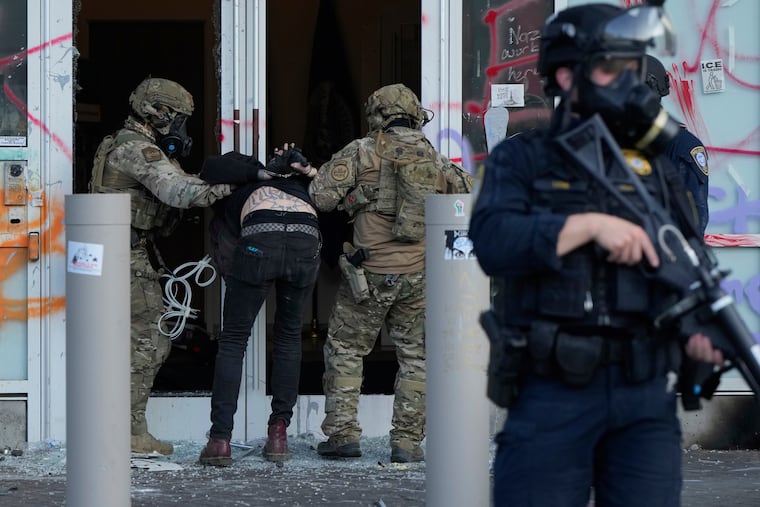
Camden County Implements Ban on ICE Immigration Enforcement on County Property
In a significant move, Camden County commissioners unanimously passed a resolution on Thursday that prohibits U.S. Immigration and Customs Enforcement (ICE) agents from conducting immigration enforcement activities on county property. This includes administrative buildings, parks, colleges, universities, and jails.
Alignment with National Trends in Immigration Policy
The 7-0 vote aligns Camden County with a growing number of Democratic-led local governments across the nation that are taking similar steps to limit federal immigration enforcement on their lands.
Community Safety Concerns Highlighted
Commissioner Louis Cappelli Jr. emphasized the human impact of ICE operations, stating, “ICE is tearing families apart, hard-working people in our communities are being unjustly detained, and children are living in fear.” Cappelli insisted that residents and visitors must feel safe while engaging in community activities, whether at parks or government offices.
Limitations and Legal Framework
The newly enacted resolution specifically prevents ICE officers from entering county-owned or leased buildings. It reflects concerns for the health, safety, and welfare of the community. Residents should have assured access to the necessary services without fear of immigration enforcement, except in cases where ICE agents present a valid judicial warrant.
Continued Commitment to Law and Due Process
The resolution underlines that Camden County, along with its law enforcement agencies, remains committed to upholding the law and the due process rights enshrined in both state and federal constitutions. This commitment mirrors similar actions taken in Montgomery County earlier this year.
Broader Resistance to ICE Enforcement Nationwide
As more Democratic-led jurisdictions counter increased ICE enforcement, many are establishing boundaries regarding police cooperation and the use of local resources by federal agencies. This trend encompasses cities like Los Angeles, Seattle, and New York City, among others. These jurisdictions are signing on to policies that effectively create “ICE-free zones,” which limit the federal government’s ability to conduct immigration raids in these areas.
The Impact on Local Governance and Community Trust
According to research by the Vera Institute of Justice, such policies not only limit ICE’s staging and operational capabilities but also foster a greater sense of trust between immigrant communities and local government. These initiatives disrupt the infrastructure necessary for large-scale immigration raids and assert local control over public spaces.
Implications for Law Enforcement and Community Relations
Importantly, these ICE-free zones do not obstruct local agencies from performing their duties. They clarify that while federal authorities may arrest individuals on city or county property, such actions require the backing of a judicial warrant. This serves to demonstrate to courts that local governments are not obstructing federal enforcement, thus reinforcing lawful practices in immigration enforcement.
