


Homeland Security Leaders Address Funding Needs Amid Shutdown
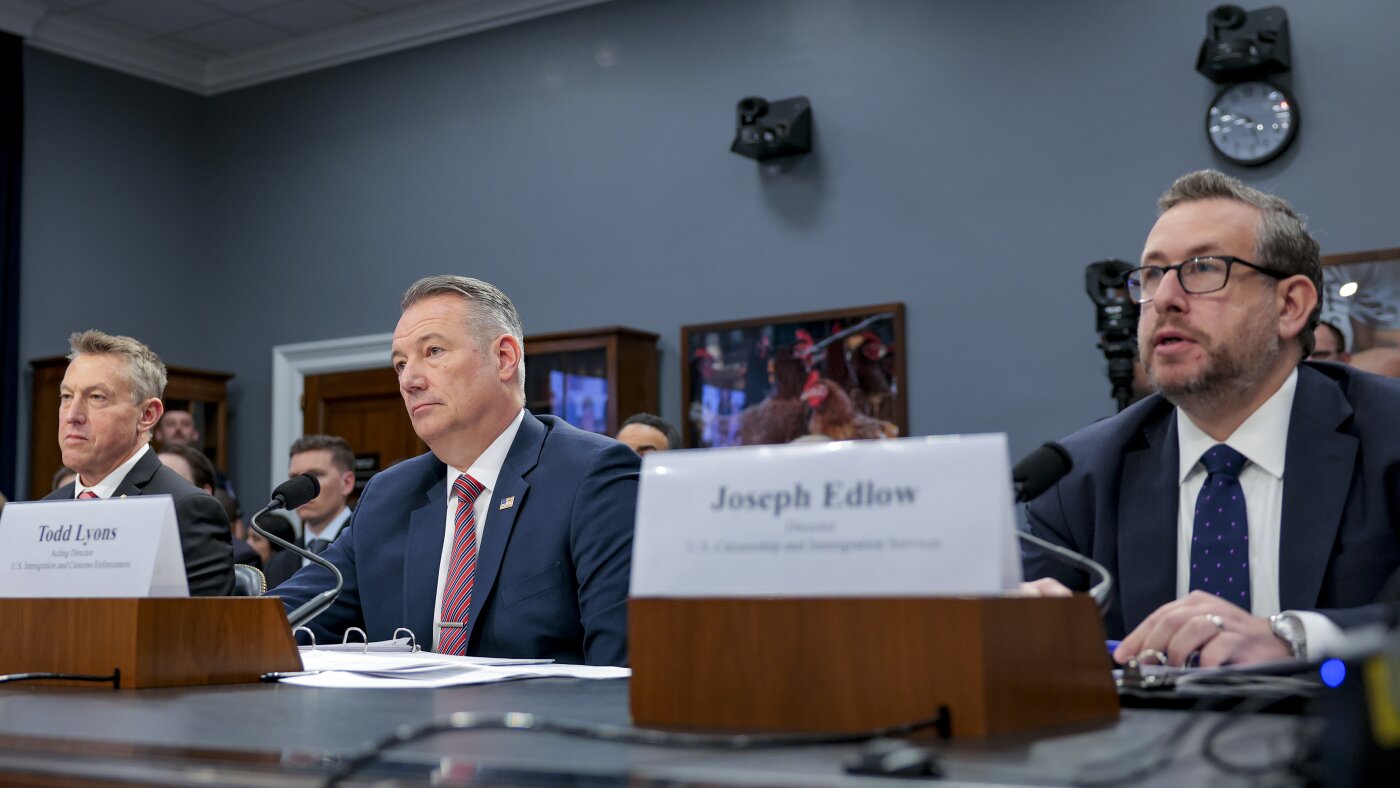
Leaders from the Department of Homeland Security (DHS) recently engaged with members of Congress to discuss essential funding requirements for the upcoming fiscal year, amidst a historically prolonged government shutdown. The Acting Director of Immigration and Customs Enforcement (ICE), along with a U.S. Coast Guard admiral and other key officials, highlighted the detrimental effects of current funding shortages on personnel and operational programs.
During the hearing, agency leaders emphasized the urgent need for additional funding to hire more staff, pointing out that not all employees have returned to their offices or received their paychecks. Lawmakers expressed frustration, labeling the situation as “absurd” and the current funding process as “frustrating.”
Prolonged Stalemate Over Funding for Critical Agencies
The impasse over funding has stretched beyond 60 days, affecting major departments responsible for immigration oversight, disaster relief, cybersecurity, and the U.S. Coast Guard. Senate Democrats blocked funding for DHS after a tragic incident involving an immigration officer that resulted in the deaths of two Americans. Consequently, the department has been without operational funds since February 14, marking an unprecedented shutdown, far exceeding the previous record of 43 days.
Despite ongoing negotiations, Democrats have struggled to secure bipartisan support for reforming DHS operations. Instead, the White House and Congressional Republicans have identified alternative funding channels to facilitate continued immigration enforcement.
Financial Support for ICE and Customs and Border Protection
Among the financial measures discussed was the $75 billion allocated by Congressional Republicans to ICE as part of a previous partisan tax and spending package, which also supported Customs and Border Protection (CBP). These funds have been pivotal in ensuring employee salaries during the past two government shutdowns.
As the current shutdown continues, President Trump recently issued a memo authorizing the compensation of Transportation Security Administration (TSA) employees, later extending this directive to encompass all DHS personnel, albeit without clarifying the funding sources.
Congressional Testimonies Under Historical Context
Congresswoman Rosa DeLauro criticized the rationale behind holding funding hearings for the next fiscal year when even this year’s budget remains uncertain. The Republican stance is currently focused on either securing funding for three years or extending it throughout President Trump’s term via a process known as “reconciliation,” which was previously utilized for immigration-related funding.
All three DHS officials voiced their support for a resolution and urged Congress to finalize funding before the June 1 deadline. However, Rep. Mark Amodei (R-Nev.) articulated skepticism regarding their proposals, questioning the lack of changes to immigration oversight in the broad funding request.
Future of Immigration Detention Facilities and Oversight Concerns
A significant topic of discussion revolved around the conversion of warehouses into processing and detention facilities by ICE. Texas Democratic representatives, including Senators Henry Cuellar and Veronica Escobar, voiced community concerns about these plans, highlighting inadequate infrastructure to support such initiatives.
Acting ICE Director Todd Lyons outlined a processing center in San Antonio capable of accommodating 500 to 1,000 individuals, which might feature an immigration court. Other potential facilities are under review, notably one in McAllen, Texas. Furthermore, Lyons discussed the agency’s commitment to ensure zero deaths in custody, revealing that an investigation involves the recent death at a detention center, which had been ruled a homicide by the coroner.
Launch of New Law Enforcement Initiatives by USCIS
Joseph Edlow, Director of U.S. Citizenship and Immigration Services (USCIS), outlined plans for a new law enforcement division, intending to employ and train 200 officers who will operate separately from ICE and CBP. The agency has pivoted from its traditional focus on facilitating legal immigration to now emphasize enforcement against immigration and entitlement fraud.
Despite increasing scrutiny regarding prolonged processing times for work permits and naturalization applications, Edlow believes these are short-term hurdles that will ultimately yield benefits in the fair treatment of immigrants. Notably, USCIS operates on a fee-based funding model, having collected $7.5 billion last fiscal year, funding that remains unaffected by the broader department shutdown.
Funding Struggles Extend to Other DHS Agencies
Officials from various DHS agencies, including the Cybersecurity and Infrastructure Security Agency (CISA) and the Federal Emergency Management Agency (FEMA), have reported operational difficulties due to funding lapses. Both CISA’s acting director, Nick Andersen, and FEMA’s acting administrator, Karen Evans, outlined challenges posed by the shutdown, from staffing shortages to delays in reimbursing local governments for disaster-related expenses.
The Coast Guard has also been adversely affected, with Admiral Kevin Lunday indicating that unpaid utility bills could jeopardize the functioning of critical Coast Guard stations and delay vital merchant mariner certifications. With major national events such as the FIFA World Cup and the 2028 Olympics on the horizon, these funding challenges exacerbate national security concerns, necessitating immediate attention and action from Congress.
