


Iran’s Recent Actions in the Strait of Hormuz
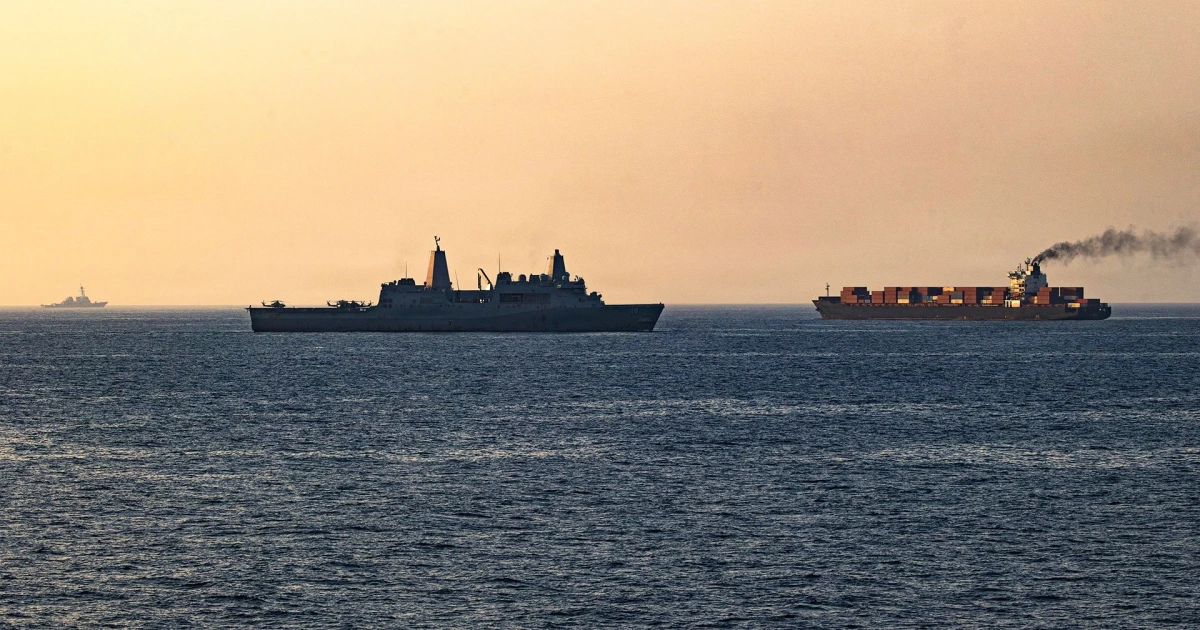
Amid ongoing tensions between the U.S. and Iran, a new wave of conflict has erupted in the Strait of Hormuz. This comes as Iranian state media showcased a slickly produced video allegedly displaying the interception and seizure of two cargo ships. The situation has raised questions about the stability of a ceasefire agreement recently extended by President Donald Trump, as the White House asserts that these attacks do not constitute a violation of the truce. NBC’s Molly Hunter reports on the escalating situation and its implications.
Broader Implications for U.S.-Iran Relations
The seizure of the ships has further complicated an already fragile diplomatic landscape. Analysts warn that such provocations could jeopardize any potential negotiations aimed at de-escalating tensions. Trump’s administration, while publicly downplaying the importance of the attacks, faces mounting pressure to address the situation more proactively. This geopolitical maneuvering is set against the backdrop of domestic challenges, leading to questions about the president’s foreign policy strategy.
Reactions from Global Leaders
Internationally, leaders are reacting to the increased hostilities with alarm. Many countries, particularly those with significant oil trade interests in the region, are monitoring the situation closely. As tensions mount, calls for a renewed focus on diplomatic channels are becoming louder, reflecting widespread concern about the implications for global oil markets and regional stability.
Potential Economic Fallout
The recent hostilities in the Strait of Hormuz could have significant repercussions for the global economy, particularly in the energy sector. With a substantial portion of the world’s oil supply passing through these waters, any disruption could lead to increased prices and ripple effects across various industries. Market analysts are closely watching the situation, with fears that sustained conflicts could lead to volatility in oil markets and beyond.
The Role of Media in Shaping Perceptions
The messaging from Iranian state media regarding these incidents plays a crucial role in shaping both domestic and international perceptions. By showcasing military successes, Iranian authorities aim to bolster national pride and deter foreign adversaries. This narrative also positions Iran as a formidable regional player, emphasizing its willingness to exert military force in defense of its interests.
Consequences for Civilian Shipping
As tensions escalate, the safety of commercial shipping routes remains a significant concern. Shipping companies operating in the region face increased risk assessments, potentially leading to elevated insurance costs and altered shipping routes. This situation could create a cycle of economic strain, affecting not only oil trade but also goods transportation through one of the world’s crucial maritime corridors.
Looking Forward: What Comes Next
The unfolding events in the Strait of Hormuz will likely influence discussions among policymakers in Washington and other capitals. As diplomatic avenues are explored, the situation presents a complex challenge that necessitates a delicate balance of military readiness and diplomatic engagement. Moving forward, the international community will be watching closely to see how these developments play out and what impact they will have on the broader geopolitical landscape.
