


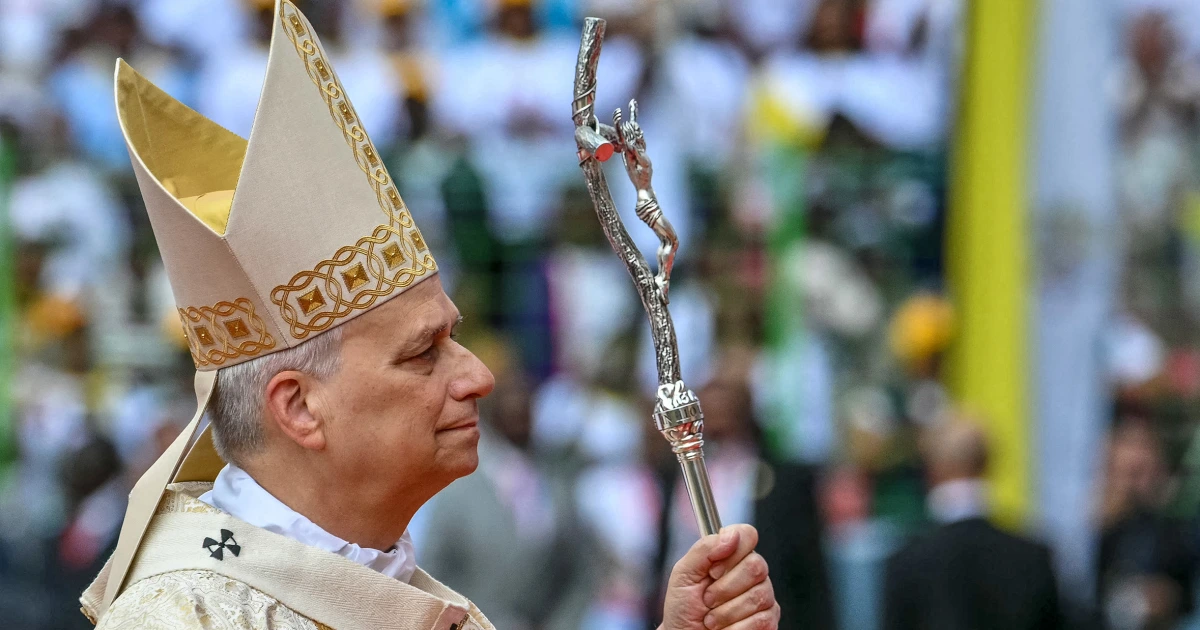
Pope Leo Expresses Concern Over U.S.-Iran Diplomatic Stalemate
During a flight back to the Vatican following an eleven-day pastoral visit to Africa, Pope Leo voiced his frustration regarding the stagnation of diplomatic efforts to resolve the ongoing conflict between the United States and Iran. He highlighted the chaotic impact of this situation on global economic stability.
Ceasefire Tested Amid Renewed Tensions
The fragile ceasefire, which had been in effect since April 8, is facing renewed challenges due to tensions over the strategically important Strait of Hormuz. This critical waterway, located between Iran and Oman, is essential for international oil transportation, carrying up to 20% of the world’s oil supplies. In early March, Iran’s actions effectively blocked access to the strait, prompting the U.S. to implement restrictions on shipping from Iranian ports.
Contrasting Perspectives from Leaders
In response to these developments, President Donald Trump took to Truth Social, claiming that Iran is struggling to understand its leadership dynamics and asserting that the U.S. maintains control over the Strait of Hormuz. Conversely, Iranian Foreign Minister Abbas Araghchi emphasized the unity of the country’s leadership, asserting that Iran’s state institutions operate with consistent purpose and discipline.
Pope Advocates for the Innocent
Amidst these geopolitical tensions, Pope Leo extended his empathy to the Iranian populace. Acknowledging the dire consequences of the conflict, he remarked that many innocent Iranians are suffering as a result. When pressed on reports of the Iranian regime executing political opponents, he condemned the death penalty and the unjust loss of life, denouncing the actions of oppressive regimes.
Focus on Global Immigration Challenges
Pope Leo’s statements also extended to the topic of immigration. While he acknowledged the rights of states to enforce border regulations, he shifted the conversation to emphasize the responsibility of wealthier nations in addressing the root causes of migration. “What can we do in richer countries to improve conditions in poorer regions?” he questioned, advocating for more investment in initiatives that could uplift impoverished communities.
Historic African Pilgrimage
Pope Leo’s trip to Africa included significant milestones, starting in Algeria on April 13, which marked a historic visit for a Roman Catholic leader to a predominantly Muslim nation. He made a pilgrimage to sites associated with St. Augustine, engaging with the legacy of one of Christianity’s most influential figures. His journey continued in Cameroon, where he presided over a mass attended by over 100,000 people, taking the opportunity to criticize political corruption in front of the nation’s longtime leader, President Paul Biya.
Calls for Ethical Distribution of Resources
In Angola, Pope Leo spotlighted the glaring inequalities stemming from the country’s mineral wealth, emphasizing the plight of those suffering under authoritarian regimes and exploitation by the wealthy elite. These discussions reflected not only a deep concern for social justice but also the Pope’s commitment to raising awareness about human rights issues globally.
Papal Engagement with Current Affairs
Throughout the journey, Pope Leo actively engaged with reporters onboard the papal plane, addressing a range of issues. Responding to criticism from President Trump regarding his approach to governance, the Pope affirmed his fearless commitment to convey the Gospel message, declaring, “I believe that’s what I’m here to do and what the Church is here to do.” His remarks not only underline his theological stance but also reflect a broader commitment to social and economic justice in an increasingly polarized world.
