


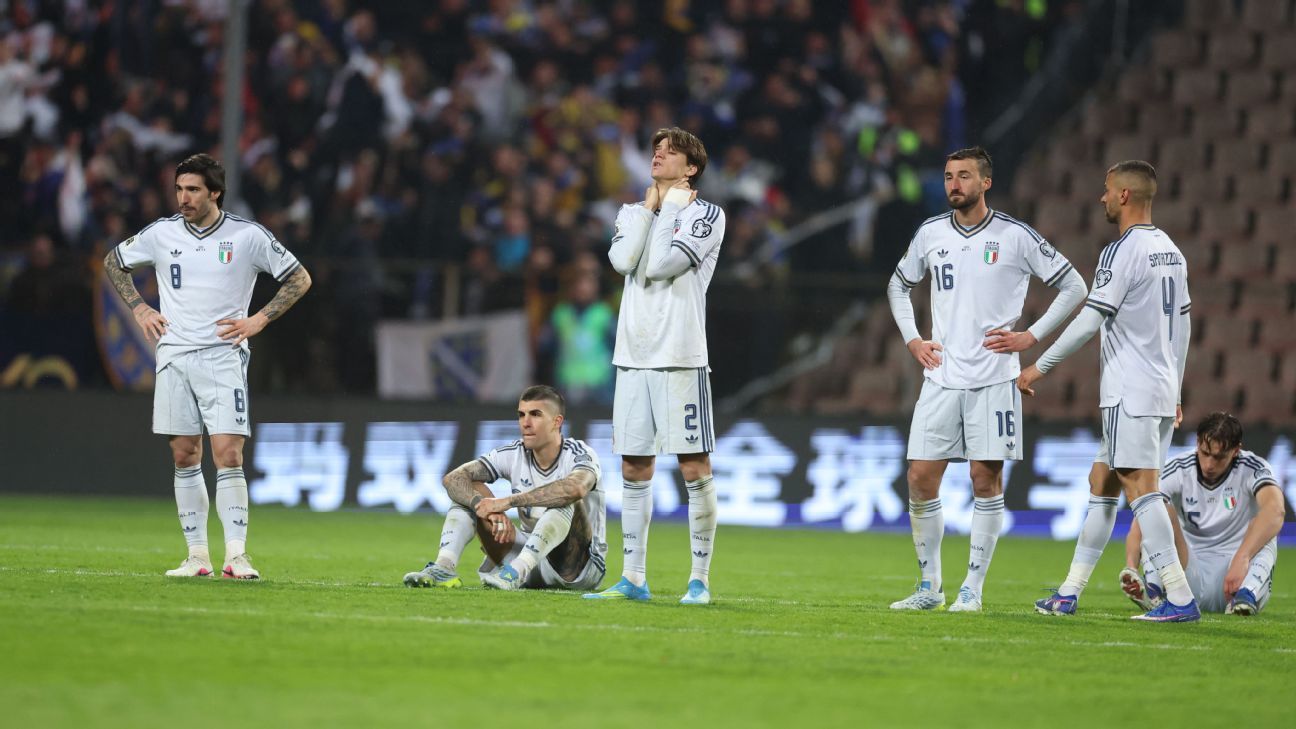
Italian sports officials have firmly stated that the nation, a four-time World Cup champion, has no intention of stepping in to replace Iran at the upcoming FIFA World Cup, despite suggestions from officials in the Trump administration.
As of now, Iran has not withdrawn from the tournament and is actively preparing to compete in the United States, even in light of ongoing conflicts in the Middle East. FIFA has affirmed that the scheduled group stage matches near Los Angeles and Seattle will proceed as planned this June.
Speculation Surrounds Iran’s Participation
U.S. envoy Paolo Zampoli confirmed to the Financial Times that Italy had communicated with both President Trump and FIFA President Gianni Infantino regarding a potential intervention. This proposal was intended as a contingency plan should Iran fail to participate at the last moment.
“My requests are not political,” Zampoli emphasized in a phone interview with The Associated Press. He described his appeals to Trump and Infantino as vital for the Italian community and American-Italians, expressing a desire to see Italy participate based on its historical success in the sport.
However, Italian authorities quickly rejected this notion. Sports Minister Andrea Abodi firmly stated, “The possibility of Italy re-qualifying for the 2026 World Cup is not only impossible but also inappropriate. The right to compete must be earned on the pitch.”
Luciano Buonfiglio, president of the Italian Olympic Committee, also voiced his objections, insisting that a team must qualify for the tournament through the proper channels. “I would feel offended by such a suggestion,” Buonfiglio remarked.
Finance Minister Giancarlo Giorgetti characterized the proposal as “shameful.” Meanwhile, President Trump was questioned about the implications of not allowing Iranian players to enter the United States. Initially taking a light-hearted approach, he remarked, “That’s an interesting question” before acknowledging the complexities of the situation.
Trump later discussed concerns related to the Iranian team, suggesting that “the players themselves are not the issue.” Secretary of State Marco Rubio echoed this sentiment, stating that the challenge lies with individuals accompanying the team who may have ties to extremist elements. Additionally, he mentioned that while there had been speculation about Iran potentially opting out of the tournament, the decision ultimately rests with them.
Despite being among the first teams to qualify for the World Cup, Iran now faces increased scrutiny as Italy reconsiders its World Cup hopes after failing to qualify for three consecutive tournaments. This situation led to significant upheaval within Italian football, resulting in changes to both the national team coaching staff and the leadership of the football federation.
Ongoing Tensions and FIFA’s Position
Iran’s national team is set to play three group matches in the U.S., starting with a clash against New Zealand on June 15. If both Iran and the United States finish second in their respective groups, they could face off in the round of 32 in Dallas.
Amid these discussions, President Trump announced that the United States had extended its ceasefire with Iran indefinitely, while ongoing negotiations seek to achieve durable peace. Zampoli, a longstanding associate of the Trump family, has been vocal about his support for Italy’s football ambitions, frequently engaging with FIFA leadership on social media.
Past controversies involving Zampoli include reports of his engagement with immigration officials regarding a sensitive custody battle, showcasing the complicated intersections of sports, politics, and personal matters. While the White House remained silent on these issues, FIFA reiterated its commitment to Iran’s participation in the tournament.
Recent comments from the Iranian embassy in Rome denounced the notion of displacing their national team, stating that “soccer belongs to the people, not politicians.” The embassy criticized any attempts to remove Iran from the tournament, asserting that such actions reflect “moral bankruptcy.” The ongoing tension regarding Iran’s World Cup participation further complicates an already fraught diplomatic landscape.
FIFA has consistently reaffirmed that Iran will adhere to the scheduled World Cup dates. Despite rising skepticism about Iran’s ability to attend, the governing body has also resisted alternative proposals that could involve co-hosting games with Mexico. As such, the futures of both Iranian and Italian football remain unpredictable as the tournament approaches.
Iran has secured a guaranteed spot for the World Cup, allocated by the Asian Football Confederation. In the unlikely event that Iran withdraws, the replacement would theoretically be the United Arab Emirates, which failed to qualify. Notably, the rules of the tournament allow FIFA to replace a withdrawing team, though the specifics on the geographic origin of the replacement are yet to be clarified.
