


The Trump administration is making renewed efforts to repeal the Deferred Action for Childhood Arrivals (DACA) program established during the Obama administration. This policy currently shields more than 500,000 immigrants, known as Dreamers, who were brought to the United States as children from deportation.
According to various reports, approximately 300 DACA recipients have been detained, with dozens already deported as a result of a February memorandum issued by the Department of Homeland Security.
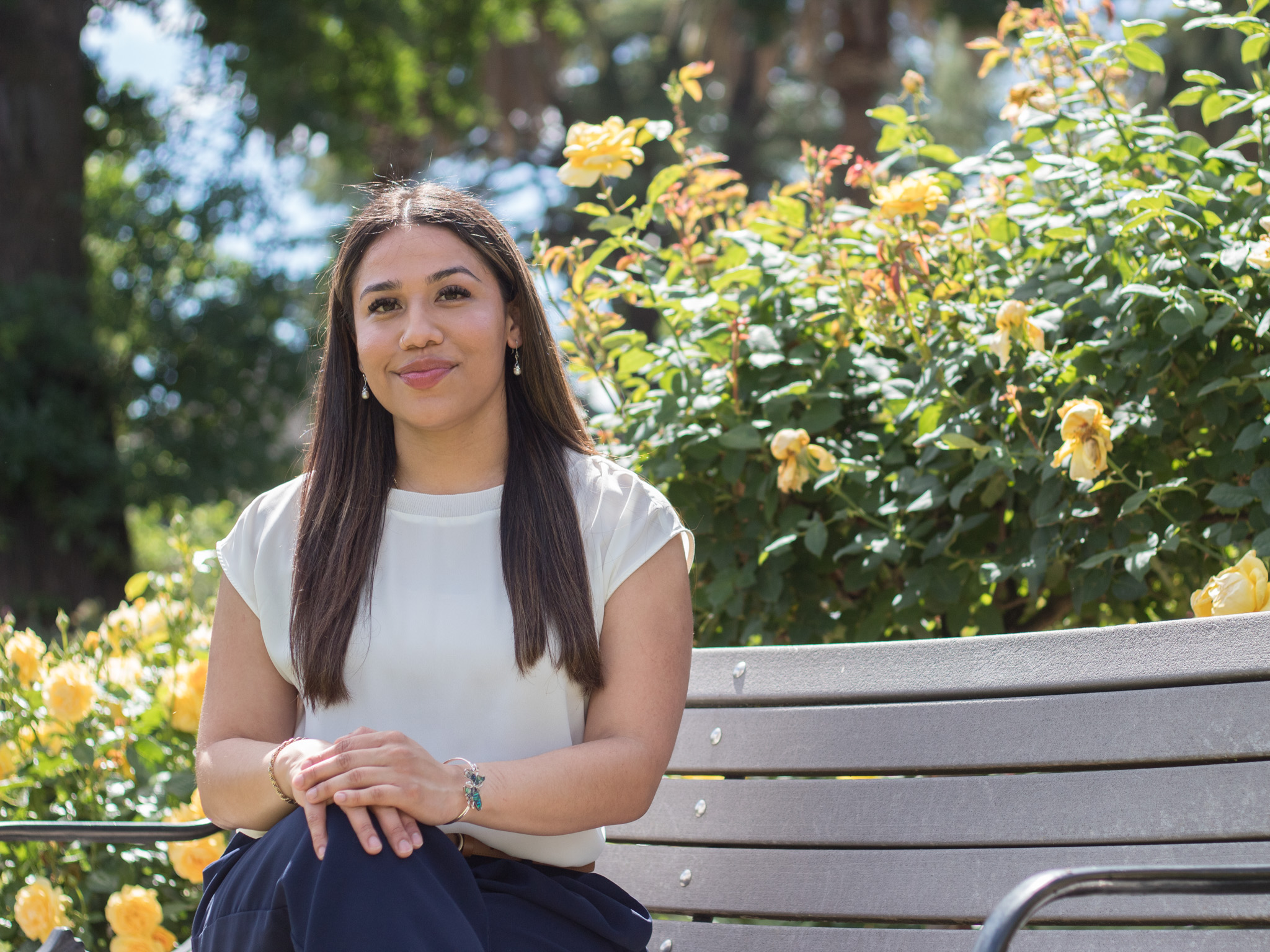
In Sacramento, one woman is grappling with traumatic memories of childhood detention after unexpectedly learning that her case has been reopened, leading to job loss. Daniela Validares Hernandez, a 28-year-old Dreamer from Honduras, had been building a promising future in finance, studying for a life and health insurance certification while also planning a birthday celebration. Today, she often finds herself crying at night over the uncertainty of her situation.
“I had a stainless steel cup, and just holding it gave me instant flashbacks of the coldness of the bars,” Validares recalled, referring to her experience of being detained at the age of six after crossing the border. “I was really excited about my birthday, but now it feels like I’m forced to pretend everything is normal while I have so many worries.”
Addressing Legal Confusion
Validares was directed to appear in immigration court in Georgia, despite living in California for the past four years. She requested that her case be moved to Sacramento or that she could appear remotely, but both requests were denied. While her lawyer was permitted to appear virtually, she was not.
The sudden reopening of her case, which had been administratively closed for over ten years, has drastically affected her life, particularly her employment. Upon discovering the situation, her employer offered her two options: resign or face possible detention pending trial. “They told me that if I was detained and unable to notify work, it would count as separation and eliminate my chances for re-employment,” she explained. “However, if I resign now, there might be a possibility for rehire later while I focus on my legal matters.”
Validares emphasized that she holds no resentment toward her employer, recognizing the limitations of a system that lacks provisions for individuals in her situation. “It’s a systemic issue,” she said, adding that such uncertainty poses significant challenges for businesses hoping to maintain consistency and reliability.
Faced with financial difficulties after losing her job, she had to deplete her savings and retirement accounts to fund her legal defense. Although she contemplated selling her car and belongings, she was able to avoid this fate thanks to a GoFundMe campaign organized to support her. Currently, she is receiving both food and legal assistance from NorCal Resist, a Sacramento-based immigrant advocacy group.
Support and Legal Developments
Gisele Garcia, program director at NorCal Resist, highlighted that efforts to move Validares’ case back to California are beginning to yield results. After extensive discussions, including support from Representative Doris Matsui, an Atlanta court has accepted a motion for a change of venue. However, Garcia cautioned that Validares’s challenges are far from over. “She has already lost the job she worked hard for and is now facing potential housing instability,” Garcia noted, emphasizing the ongoing unfairness of the immigration process.
The situation in Sacramento’s immigration courts is complex. Recent data reveals that denial rates for immigration judges range from 15% to 89%. This variability could improve Validares’s chances of remaining in the U.S., especially compared to judges in Atlanta, where rejection rates are significantly higher—ranging from 56% to 98%. Now, Validares awaits the Sacramento Immigration Court’s decision on a new trial date.
The Broader Impact of DACA Changes
Validares’s case reflects a concerning trend affecting many DACA recipients. The Department of Homeland Security has faced criticism for its stances on the program, which provide no pathways to legal status for individuals without criminal records. In recent months, reports indicate a considerable increase in DACA recipients facing deportation proceedings. Greg Chen from the American Immigration Lawyers Association noted that approximately 300 DACA recipients have recently entered such proceedings.
Hiroshi Motomura, a professor of immigration law at UCLA, emphasized that the current administration aims to target those who believed they were protected under DACA. He remarked on the persistent misconceptions regarding programs that offer pathways to legal status and underscored that DACA merely offers protection from deportation enforcement.
The Transaction Records Access Clearinghouse (TRAC) has experienced challenges in obtaining data on DACA recipients and related enforcement actions. Susan B. Long from TRAC pointed out that withholding such information is a conscious policy by federal authorities, contradicting decades-old congressional mandates for transparency.
While official deportation figures may not fully represent the number of individuals feeling compelled to leave the country, Motomura stressed that that number remains significant. “The awareness that people feel pressured to leave is often much higher than the actual arrests made,” he stated.
In Sacramento, faith leaders are rallying behind Validares as she navigates her ordeal. During an interfaith vigil outside the John Moss Federal Building, home to Immigration and Customs Enforcement, she expressed her longing for stability and the triviality of her past struggles. “I want to live a boring life,” she said. Yet, the support she has received has provided her with a glimmer of hope, especially after the recent approval to change her case venue. “Today, at this very moment, is probably the first day I haven’t cried since I got that notification,” she shared with the crowd, expressing her gratitude for the community’s support.
