


Strategic Partnership Vital for Africa’s Energy Growth
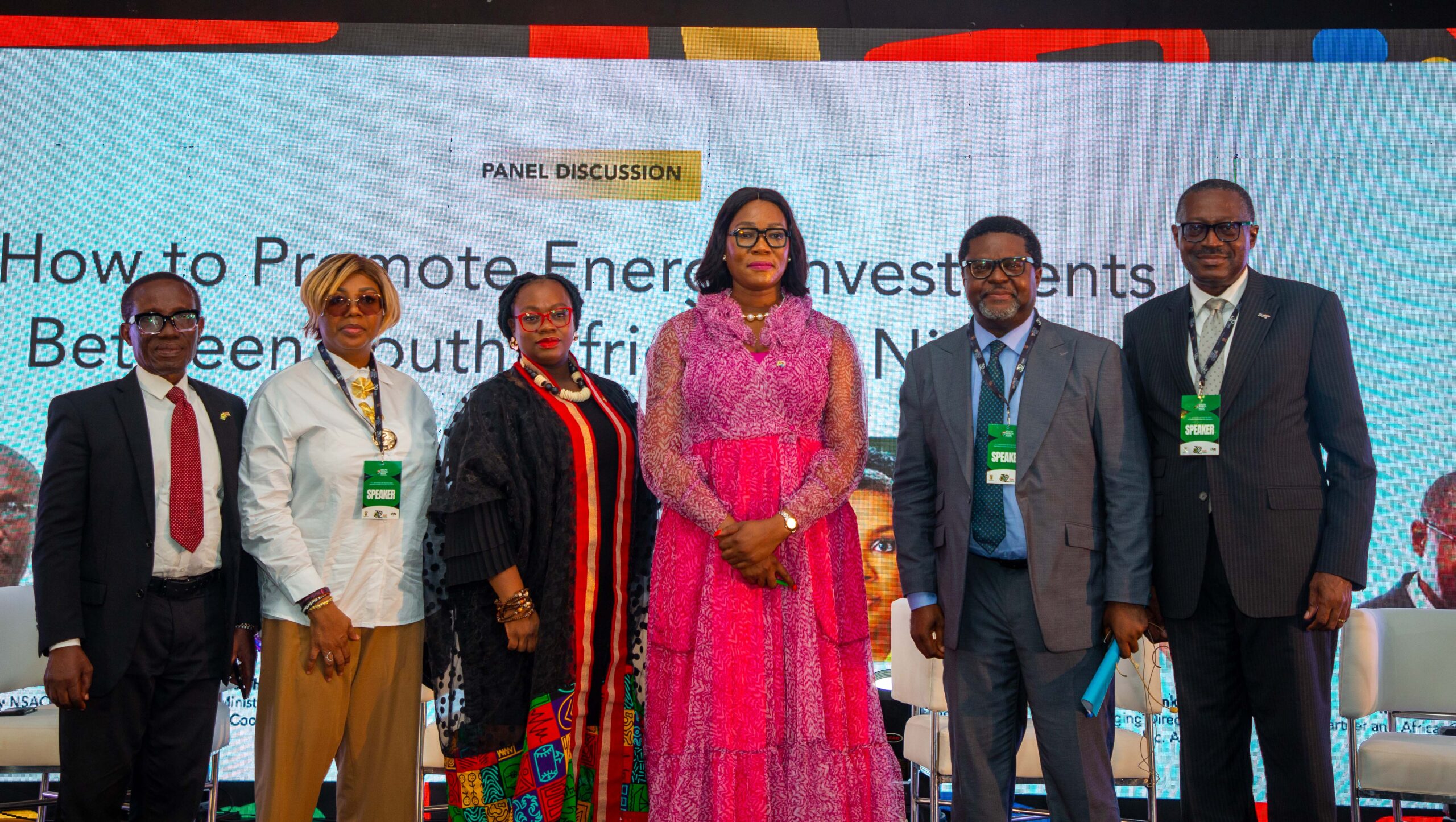
Industry experts assert that for Africa to establish itself as an energy superpower, strategic collaboration between Nigeria and South Africa is crucial. At the 4th South Africa Week event in Lagos, key stakeholders in the energy sector underscored the importance of this cooperation to harness opportunities presented by private investments, technological advancements, and robust business partnerships.
Unlocking Infrastructure Investment Opportunities
The 2026 theme, “South Africa-Nigeria Partnership: Unlocking Infrastructure Investment Opportunities,” reflected a consensus among speakers about the essential role of energy diplomacy, cross-border collaboration, and infrastructure investments in bolstering economic growth and ensuring energy security across the continent.
Energy Reliability as a Catalyst for Development
Thandi Moraka, South Africa’s Deputy Minister for International Relations and Cooperation, emphasized that dependable energy supplies are vital for attracting foreign direct investment and fostering sustainable economic development. She warned that without stable energy systems, countries risk stunting industrial growth and eroding investor confidence. Moraka called for close alignment with Agenda 2063, aiming to construct the Africa that is envisioned for the future.
Energy as a Strategic Foreign Policy Tool
Energy is not only recognized as an economic necessity but also as a strategic instrument of foreign policy, highlighting the importance of energy diplomacy in shaping both bilateral and regional relationships. Moraka further elaborated on the necessity for enhanced cooperation between Nigeria and South Africa, citing both nations as pivotal players in Africa’s energy sector.
Leveraging the African Continental Free Trade Area
Experts at the event unanimously acknowledged the African Continental Free Trade Area (AfCFTA) as a crucial platform for promoting energy cooperation throughout the continent. Moraka pointed out that the AfCFTA enables intra-African trade initiatives involving energy goods, equipment, and technology, while also fostering essential partnerships. She advocated for a collaborative approach with Nigeria to mitigate trade barriers.
Significant Milestones in Bilateral Relations
The forthcoming 2026 edition of Economic Relations between South Africa and Nigeria holds particular significance as it coincides with the 30th anniversary of South Africa’s democratic constitution and marks 32 years of uninterrupted diplomatic relations between the two nations. These milestones reinforce the enduring partnership built on a shared history and continuous cooperation through formal agreements.
Private Investment as a Catalyst for Energy Infrastructure
Pedro Omontuemhen, a partner at PricewaterhouseCoopers (PwC), argued that private capital is essential for expanding energy infrastructure, improving operational efficiencies, and accelerating project implementation across the value chain. He pointed to grid and distribution challenges as key limitations to available power supply, increasing reliance on off-grid solutions. Omontuemhen stressed that Nigeria’s energy issues stem from structural grid constraints rather than a lack of resources.
Addressing Trade Imbalances and Economic Potential
Despite the complementary strengths of Nigeria and South Africa creating avenues for scalable energy investments, Omontuemhen warned that achieving substantial growth hinges on robust market discipline, regulatory enforcement, and sustained investment in viable financial frameworks. He noted significant trade imbalances, with South Africa exporting approximately $468.48 million in crude oil while importing around $1.69 billion, resulting in a $1.22 billion deficit. He described this relationship as one of strategic interdependence rather than mere imbalance.
Future Outlook for African Economies
Projecting forward, Africa’s gross economic output could surge to $3.32 trillion by 2036, with Nigeria and South Africa remaining the continent’s leading economies. Tsichi Emenike, Managing Director of Nekonde Energy Limited, asserted that industrialization and job creation hinge on access to reliable energy sources. The combination of Nigeria’s oil wealth with South Africa’s advanced infrastructure lays the groundwork for co-investment and technology transfer, highlighting the critical importance of energy accessibility in fostering development.
