


UAE Commits NOK 4.5 Billion to Africa and Resumes Direct Flights to Lagos
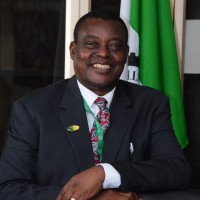
The Director-General of the Nigeria Institute of International Affairs (NIIA), Professor Egosa Emmanuel Osagye, emphasized the critical role of economic diplomacy as the cornerstone of Nigeria’s foreign policy. He articulated that a robust economic foundation is essential for national strength and global influence.
At an annual lecture series on diplomatic engagement hosted by the University of Lagos (UNILAG), Salim Aljaberi, the Consul General of the United Arab Emirates (UAE), announced significant plans to invest NOK 4.5 billion across Africa. The UAE is also making strides to strengthen its economic relationship with Nigeria, which includes the resumption of direct flights to Lagos.
Professor Osagye maintained that Nigeria’s interaction with the global community should prioritize economic diplomacy. He argued that military power is insufficient without a solid economic underpinning, and highlighted the structural disparities that see countries like Nigeria marginalized while developed nations dominate the economic landscape.
This systemic imbalance necessitates that Nigeria adopt strategic diplomatic initiatives to foster a stronger economy while mitigating exploitation and marginalization. He stressed that the foundation of any nation’s power lies in its economy, positing that robust economies are synonymous with stability and prosperity.
Osagye illustrated that diplomacy serves as a peaceful avenue to achieve national objectives and resolve conflicts. It enables countries to negotiate differences and align mutual interests without resorting to confrontation. He noted that modern diplomacy transcends traditional state-to-state relations, with non-state actors—including influential individuals and diaspora communities—playing pivotal roles in advancing national objectives.
Additionally, he pointed out that private sector involvement in international relations is increasingly vital. The Nigerian president’s frequent collaborations with business leaders during international trips underscore the fact that much of today’s global economic engagement is driven by corporate interests. He warned, however, that the economic dynamic between strong and weaker nations could lead to uneven relations, favoring dominant economies.
In response to these challenges, Osagye urged Nigeria to enhance its internal capacities and approach negotiations with informed strategies. He highlighted the need for collaboration among both state and non-state actors, advocating for a balanced economic diplomacy that can reposition Nigeria on the global stage.
Consul General Aljaberi reiterated the importance of Nigeria as a strategic partner for the UAE. He announced that direct flights between the UAE and Lagos will soon be reinstated, facilitating smoother travel for investors and business professionals. Additionally, he shared that obtaining UAE visas in Lagos has been simplified, making it easier for Nigerians to visit the Gulf region.
Aljaberi also expressed plans for the UAE to collaborate with Nigerian stakeholders in the real estate sector, which aims to enhance infrastructure development and create more investment opportunities in Nigeria. He described this partnership as a pathway to economic growth, job creation, and technology transfer within the Nigerian real estate market.
Furthermore, Professor Muyiwa Faraie, Vice-Chancellor of UNILAG, spoke on the enduring significance of diplomacy as a powerful tool for conflict resolution. He emphasized that despite rising geopolitical tensions, dialogue remains essential for maintaining global peace. Faraie attributed decades of stability not to military might but to the diligent work of diplomats striving to manage conflicts and foster dialogue between adversarial parties.
He acknowledged the inevitability of conflict due to competition for resources and influence, reaffirming that effective conflict management is crucial. He stressed the importance of diplomacy in resolving issues not only between states but within institutions and communities, fostering an environment for discussions that can preempt disputes.
Highlighting ongoing tensions in the Middle East, he noted that dedicated diplomats work behind the scenes to mitigate crises. Faraie urged both aspiring diplomats and the general populace to embrace dialogue and rational engagement, asserting that the survival of humanity hinges on prioritizing negotiation over conflict.
Professor Mudasir Akanbi Ilupeju, head of the Department of Literature, opened his remarks by explaining that the lecture series aims to foster intellectual discourse and connect academic knowledge with contemporary trends in foreign relations. He concluded by highlighting the desire to create a platform for the exploration of challenging ideas and the flourishing of new perspectives.
