


Advocating for the Decentralization of INEC
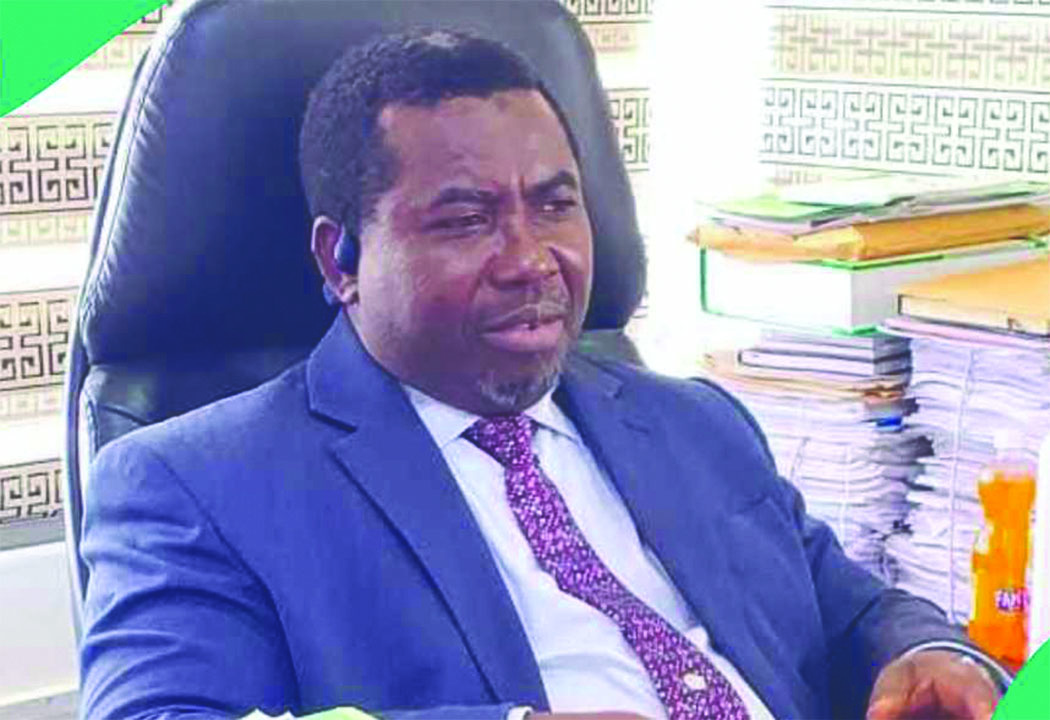
Professor Joash Ojo Ampitan, the current Chairman of the Independent National Electoral Commission (INEC), finds himself at the center of attention as Nigeria’s electoral landscape remains fraught with tension. The environment around INEC often feels charged, resembling a battlefield rather than a platform for democratic expression. Reflecting on my first tenure at INEC in 2007, I recall a time when armored vehicles and military personnel patrolled the vicinity. This reality leads one to question whether elections in Nigeria are truly civil exercises, or if they bear more resemblance to military operations.
Concerns Over INEC Leadership Neutrality
The impartiality of INEC’s leadership has been a subject of ongoing debate, particularly regarding the president’s role in appointing its head. Critics argue that it is inherently problematic for a leader with partisan inclinations to select the head of an electoral body, drawing a parallel to a sports referee being chosen by one of the competing teams. Although referees are expected to maintain professionalism, the lingering suspicions of bias create doubt in the electoral process.
Examining Presidential Appointment Powers
I do not immediately advocate for stripping the president of the authority to appoint INEC officials, as this power is consistent with the broader governance structure where numerous appointments, such as those for ambassadors and ministers, are made. However, it raises questions about the consistency of such powers, especially when considering other institutions, including the judiciary and various security agencies, which are equally vital to the electoral process.
The Importance of Checks and Balances
Constitutional safeguards requiring candidates for the INEC chairperson position to undergo scrutiny by the State Council and the National Assembly exemplify the necessary checks and balances. The Council of State, which includes eminent former leaders, is designed to transcend partisan divides, while the National Assembly serves as a critical platform for public discourse. Additionally, various stakeholders—including political parties, civil society organizations, and the media—contribute to monitoring INEC’s independence and neutrality.
The Role of State Influence on INEC
Amplifying the complexity of INEC’s structure, each state governor appoints a resident election official, while national commissioners represent different geopolitical regions. Despite this distributed responsibility under the chairperson’s guidance, questions arise concerning the effectiveness of these systems when allegations of misconduct emerge. The recent turbulence surrounding Ampitan’s leadership has underscored this concern.
Public Trust and Perception of Bias
Trust in electoral bodies can crumble quickly, as evidenced by the calls for Ampitan’s resignation—stemming not from allegations of outright bias, but from a deterioration of public confidence. His tenure juxtaposed with that of previous chair Prof. Mahmoud Yakubu underscores how crucial perceptions of impartiality are to electoral integrity. Past measures taken to enhance public confidence stand in stark contrast to current sentiments surrounding Ampitan’s actions, including his controversial social media engagements.
Exploring Alternatives for Electoral Management
A broader consideration for addressing electoral challenges may be the decentralization of the election process. Reflecting on systems in various nations, entrusting private entities to manage electoral logistics for different constituencies could mitigate the risks associated with centralized leadership. Such a move would allow for a more flexible approach, enabling districts to select firms based on their reputations and past performance, thereby enhancing the integrity and efficiency of the electoral process.
Ultimately, the intersection of governance, public trust, and electoral integrity continues to demand diligent attention. A more organized approach may foster an environment where all political stakeholders can work toward a more credible democratic framework.
Okunfolami writes from Festac, Lagos.
