


New Proposal from Tehran Following US Delegation Cancellation
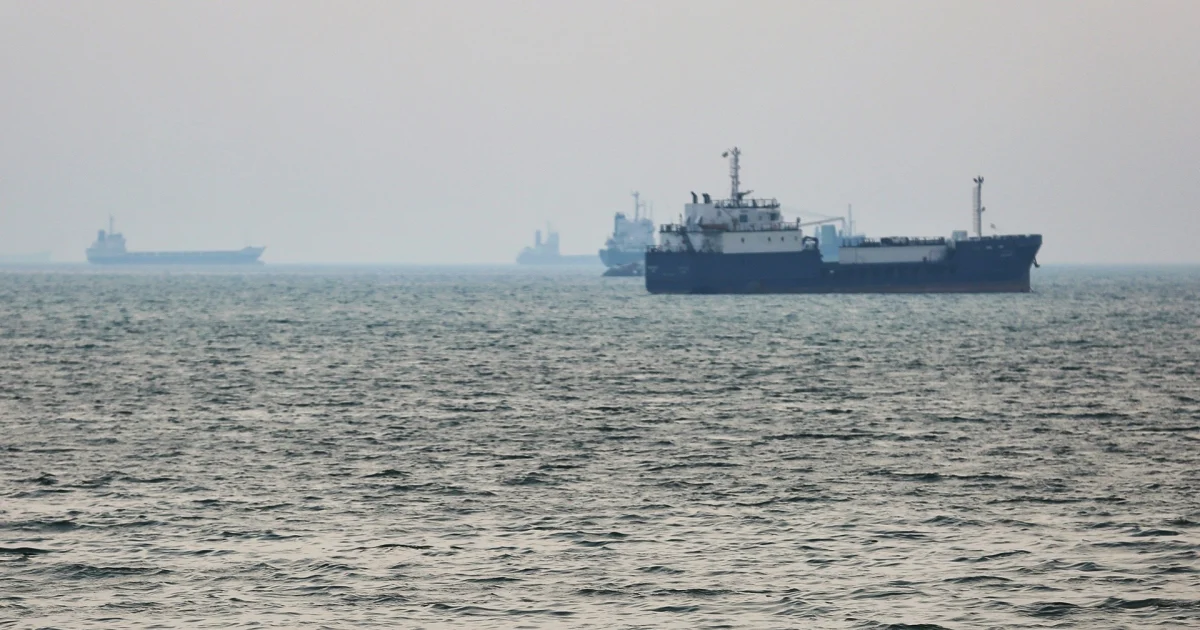
After the Trump administration abruptly canceled plans for a U.S. delegation to visit Pakistan to discuss negotiations with Iran, Tehran has reportedly introduced a new proposal. This initiative aims to reopen the strategically crucial Strait of Hormuz while deferring discussions around Iran’s nuclear program for a future date. NBC’s Molly Hunter provides insights on these developments.
Financial Markets and Political Stability Impacted
The political maneuvers surrounding U.S.-Iran relations have broad implications for financial markets and global trade. The Strait of Hormuz is a vital route for oil shipments, and any instability could lead to fluctuations in crude oil prices. Investors are closely monitoring these developments, weighing potential risks against stabilizing factors in the market.
The Role of International Diplomacy
International diplomatic efforts are crucial in navigating the complexities of U.S.-Iran relations. The proposed negotiations emphasize a need for dialogue and collaboration, strengthening the prospects for long-term stability in a region fraught with conflict. This renewed dialogue might signal a shift toward constructive engagement.
Impact on U.S. Domestic Policy
The cancellation of the U.S. delegation to Pakistan exemplifies the unpredictable nature of current U.S. foreign policy. It highlights internal divisions and challenges faced by the administration in coordinating international engagements, which could have long-lasting effects on American diplomatic credibility and influence abroad.
Energy Sector Reaction
Energy markets reacted sharply to the news, with traders closely analyzing the potential impact on supply chains and future negotiations. With Iran still a significant player in oil production, any shift in policy or military action could disrupt global energy flows, leading to increased prices and volatility in energy stocks.
Public Sentiment Towards U.S.-Iran Relations
Public opinion on U.S.-Iran relations continues to evolve, shaped by ongoing news coverage and political debates. Many Americans express concern over military engagements while advocating for diplomatic solutions that prioritize negotiation over confrontation. How this public sentiment influences policymakers will be pivotal in shaping future U.S. strategies.
Future of Diplomatic Relations
Looking ahead, the potential for renewed negotiations could pave the way for more stable and predictable U.S.-Iran relations. A successful engagement strategy may also set a precedent for addressing other geopolitical tensions worldwide. Observers and policymakers alike will be keeping a close watch on how these evolving dynamics unfold.
