


The Aftermath of the White House Correspondents’ Dinner
As the White House Correspondents’ Dinner concluded, volunteer ticket checker Helen Mabus found a rare moment of quiet amidst the evening’s frenzy.
However, her peace was abruptly interrupted when she noticed a man in the hallway who appeared to be carrying a rifle. Before she could process what was happening, the individual sprinted toward a security checkpoint situated about 40 feet away.
Mabus recalled, “He either unrolled parts of the gun or spliced them together. The sound in front of me became longer. Within seconds, he started shooting.”
Meanwhile, Erin Thielman, an Air Force veteran attending the dinner at the Washington Hilton, was ascending the stairs leading to the upper level, where guests undergo screening. She was on the phone with her son, who was babysitting two children, when she suddenly heard multiple loud bangs.
“I saw a man lunge toward me,” Thielman recounted, noting that he was armed with a shotgun. In a matter of seconds, the assailant collapsed directly at her feet, motionless with the weapon lying beside him. Initially, she thought he had been shot but was later informed by authorities that he had fallen during the exchange of gunfire with Secret Service agents.
The would-be shooter was later identified as Cole Allen, a 31-year-old Hilton guest who bypassed several security lines to access the event attended by President Donald Trump, various Cabinet members, and over 2,500 journalists and public figures. As alarm spread in the ballroom, it became a chaotic scene with security personnel trying to protect guests from potential harm.
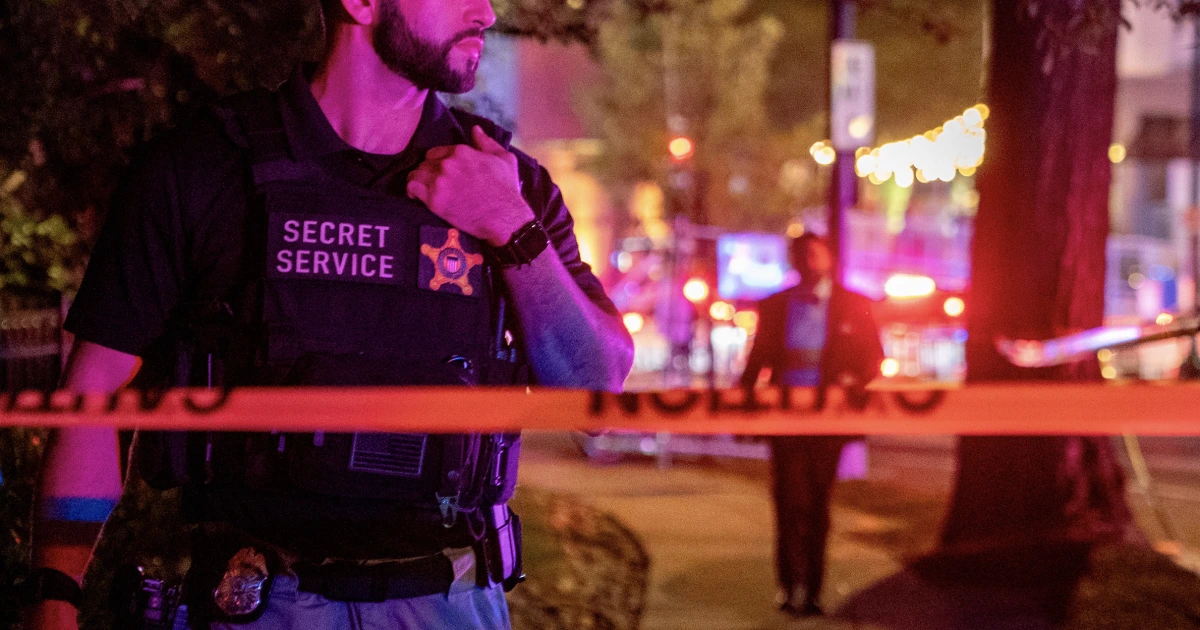
Fortunately, no attendees were injured during the incident, although a Secret Service agent was shot in the vest and is expected to recover. Security experts agree that despite the close call with the assailant, the Secret Service effectively fulfilled its protective role. However, the ease with which Allen infiltrated the venue underscores alarming security vulnerabilities, raising questions about what could have transpired had a more skilled or determined individual executed the attack.
Security Assessment Following the Incident
Following the incident, the White House indicated it would convene a meeting with Secret Service and Homeland Security leadership to review security protocols for high-profile events. Acting Attorney General Todd Blanche defended the actions taken by the Secret Service, emphasizing that the man was separated from the president by numerous federal agents at the event.
Thielman noted the comprehensive security measures in place, as she had to present her ticket twice and undergo a thorough screening before entering the ballroom. Despite these precautions, she expressed sympathy for the challenges faced by Secret Service agents, who must continuously adapt to evolving threats.
Allen has since been charged with three counts of attempted assassination of the president, and he remains in custody without entering a plea. According to FBI reports, he had checked into the Washington Hilton a day prior, expressing surprise at how easily he could transport firearms into an event featuring the president.
Experts have recognized that securing events in large, mixed-use facilities presents significant challenges. While the Secret Service can adjust security measures during events, they are limited by the venue’s existing operations. Such vulnerabilities have led to intensified scrutiny of security protocols, especially after incidents of gun violence at high-profile gatherings.
The Washington Hilton, a venue with a history of hosting presidential events, has seen its share of security challenges. With lessons learned from the past, security measures will undoubtedly be reviewed and enhanced to safeguard against any future threats.
