


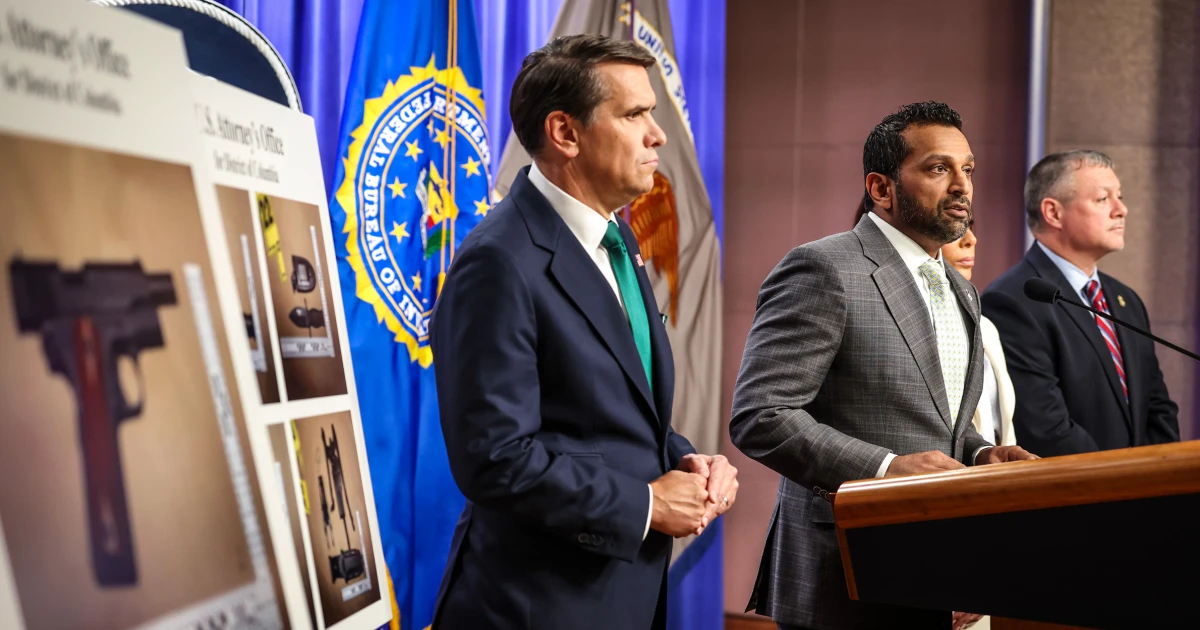
Internal Tensions Escalate Following Shooting Incident
President Donald Trump’s initial composure after Saturday night’s mass shooting at the White House Correspondents’ Association dinner has given way to a torrent of accusations from senior administration officials. Several have placed the blame for the current climate of political violence predominantly on Democrats and the media.
Accusations of Media Complicity
Acting Attorney General Todd Blanche, Communications Director Stephen Chan, and Press Secretary Caroline Leavitt publicly charged journalists and congressional Democrats with fostering divisive rhetoric. Blanche emphasized the urgent need for “political violence and rhetoric” to cease, and pointedly suggested that many journalists have been complicit by perpetuating inflammatory narratives.
Rhetoric Dissected by Officials
Blanche stated, “To be honest, a lot of people in this room have done it,” referring to reporters present during his comments. He asserted that media figures hold equal culpability, claiming they are excessively critical of the President for unfounded reasons. This perspective reflects a broader concern regarding the role of the media in political discourse.
Defending the Presidential Narrative
In an official statement regarding Trump’s campaign schedule, Chan declared, “The President continues to have a solid schedule,” adding that violent rhetoric espoused by “deranged liberals” and biased media was evident during the recent events. Leavitt contended that the systematic vilification of Trump and his supporters, driven by some media commentators and elected officials, is a primary contributor to the violence.
Trump’s Message of Unity
Contrasting sharply with the administration’s recent comments, President Trump initially called for a unified response in the wake of the shooting, urging Americans to “recommit in our hearts to peacefully resolving our differences.” He remarked on the overwhelming love and unity he observed at the event, emphasizing a need for harmony across political lines.
Criticism of Late-Night Comedy
The following day, Trump escalated his rhetoric by criticizing late-night host Jimmy Kimmel for joking about First Lady Melania Trump. He expressed indignation on Truth Social, calling for Kimmel’s firing due to what he described as “vile calls for violence.” Mrs. Trump also condemned Kimmel’s comments as harmful and divisive, reinforcing the White House’s stance against what they perceive as incitements to political unrest.
Political Responses and the Broader Narrative
Amid these tensions, Democratic leaders condemned the shooting, expressing gratitude to law enforcement while drawing attention to recent efforts to reshape funding for the Department of Homeland Security. They aim to support funding initiatives while distancing themselves from criticisms levied by Republicans, who have attributed the rise in violent rhetoric to Democrats’ aggressive stances against Trump.
