


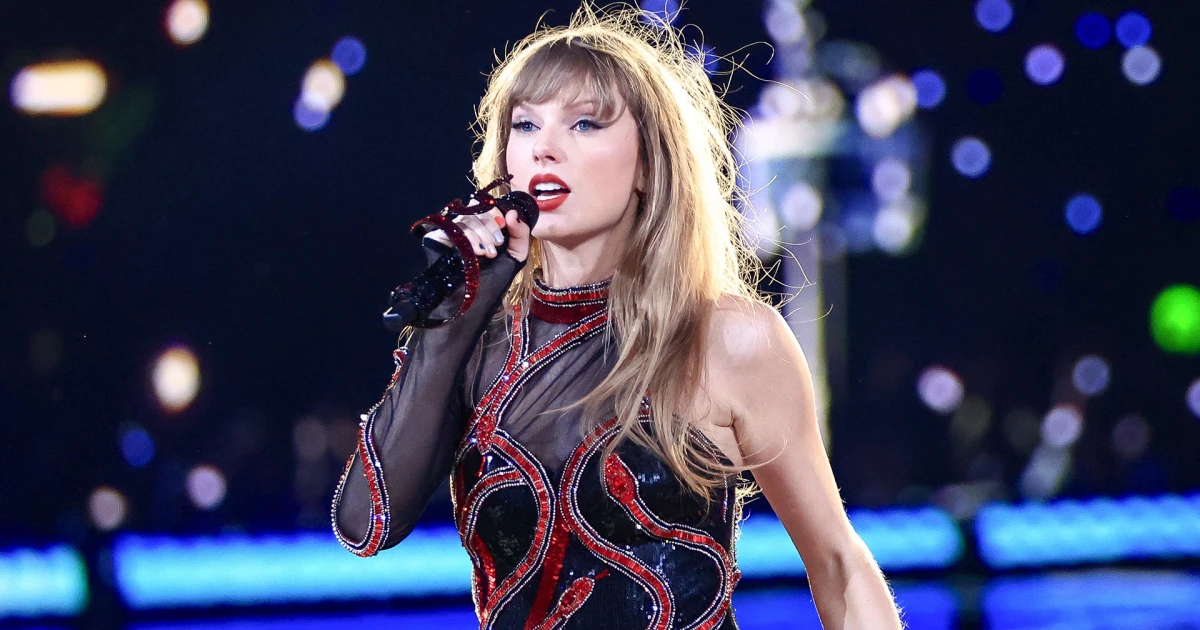
Taylor Swift Takes Steps to Protect Her Image from AI Misuse
Taylor Swift is proactively safeguarding her identity against the burgeoning threats posed by deepfake technology and other forms of artificial intelligence misuse. Recently, her company submitted three trademark applications designed to secure her voice and likeness. Among these applications are two audio trademarks for the phrases “Hey, Taylor Swift” and “Hey, Taylor,” along with a visual trademark featuring an iconic image of Swift holding a pink guitar. This strategic move underscores the growing concern over how digital media can manipulate appearances and representations in entertainment.
The Rise of AI Deepfakes and Their Implications
The rise of deepfake technology has raised significant ethical questions across multiple industries, particularly in entertainment, advertising, and even politics. Deepfakes can create hyper-realistic audiovisual content that can easily deceive audiences. As a prominent figure in the public eye, Swift’s actions may well serve as a precedent for how other public figures should approach the complex interplay of technology and personal branding in an increasingly digital landscape.
Industry Responses to AI Technology
Swift’s recent trademark filings reflect a larger trend within the entertainment industry as artists and their representatives seek better controls over how their likenesses are used. The entertainment sector is becoming increasingly vigilant against potential abuses of AI technology, which can exploit personalities for profit without consent. This shift indicates a broader acknowledgment among public figures regarding the potential ramifications of unchecked technological advancements.
Understanding Trademarking in the Digital Age
The process of trademarking is evolving in the wake of digital innovations, with entertainers like Swift leading the charge. By securing trademarks related to her voice and visual representation, Swift is setting a precedent aimed at preventing unauthorized reproductions of her likeness in various formats. This move not only reinforces her brand identity but also establishes a legal framework that could protect other artists from similar challenges moving forward.
Public Reception and Future Implications
Public response to Swift’s initiatives has been overwhelmingly supportive, highlighting the growing concern among fans and the general public about the ethical direction of modern technology. As discussions about privacy and consent in the digital age become more pronounced, Swift’s actions may influence fellow artists and celebrities to take similar steps to ensure their creative works and personal images are not misused.
Connection to Broader Trends in Technology and Ethics
Swift’s proactive measures tie into wider ethical conversations concerning AI and its implications in various fields. Concerns surrounding data privacy, authenticity, and the potential for AI misuse continue to resonate across industries. Her trademark applications could act as a catalyst for broader policy discussions on how to balance technological advancement with the protection of individual rights.
The Future of Celebrity and Digital Identity
This incident illustrates the ongoing evolution of celebrity in the digital era, where the lines between reality and representation are increasingly blurred. As celebrities navigate the complex landscape shaped by AI, legal frameworks and public perception will likely play crucial roles in shaping future interactions between technology and personal branding. Swift’s strategic filing serves not only as a personal safeguard but also as an essential dialogue about the responsibilities of creators and the platforms facilitating their content.
