


Hospital CEOs Face Scrutiny Over Pricing Practices
During a House hearing on Tuesday, hospital CEOs faced intense criticism, particularly from Republican lawmakers who accused them of excessive patient charges and manipulating healthcare pricing systems.
Executives from prominent healthcare organizations, including HCA Healthcare, CommonSpirit Health, NewYork-Presbyterian, and ECU Health, defended their pricing strategies before the House Ways and Means Committee. They argued that higher charges for services at hospitals compared to independent clinics were justified, given the complexities of hospital operations.
As highlighted in a report by Health Affairs, hospitals accounted for nearly a third of U.S. healthcare expenditures, amounting to approximately $1.6 trillion in 2024. A separate study published in the JAMA Health Forum indicated that patients frequently face higher bills when visiting doctors affiliated with hospitals or private equity firms.
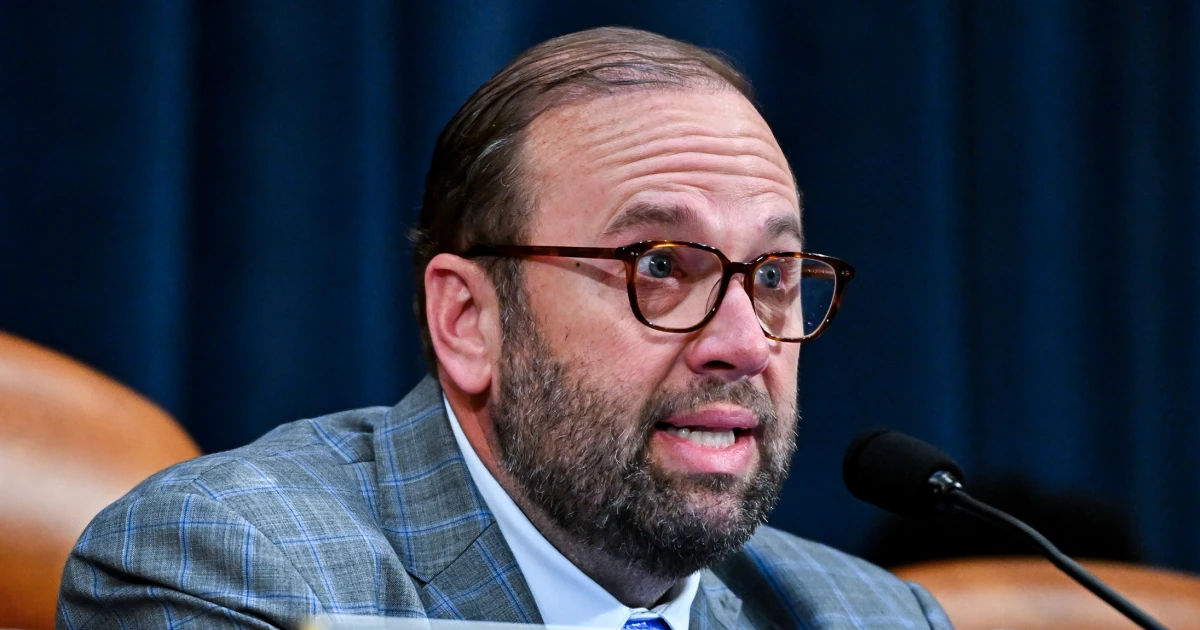
Rep. Jason Smith, R-Missouri and chairman of the committee, emphasized that the American public is frustrated with what they perceive as artificially inflated prices. Throughout the session, Republican members provided examples illustrating how outpatient facilities associated with hospitals often impose elevated fees. A concerning feature of these charges is the introduction of facility fees, which do not correlate with the care given but contribute to expenses such as staffing and equipment.
Rep. David Kustoff (R-Tenn.) pointed out a stark contrast in facility fees, citing an independent outpatient surgical center in his state that charged $656 for a colonoscopy, while a hospital’s outpatient facility billed $1,222 for the same procedure. His direct inquiry to the executives, asking whether they believed such a 100% increase in fees was justifiable, captured the essence of Republican concerns.
Rep. Greg Steube, R-Florida, further elaborated on the issue, noting that patients in his region encounter significantly higher bills at hospital-owned outpatient clinics versus those managed by physicians. He questioned the justification for facility fees when the quality of care delivered is ostensibly the same.
In their defense, hospital CEOs argued that these fees are necessary, particularly considering that government reimbursement programs like Medicare and Medicaid often fall short of covering the actual costs of care. Michael Waldrum, CEO of ECU Health, insisted that hospitals are bound by a unique obligation to provide high-quality care for all patients, regardless of their financial status, unlike privately owned clinics that can selectively choose patients.
Democrats took a more measured approach during the hearing, suggesting that Republicans were using the session to shift attention away from the effects of Medicaid cuts implemented as part of President Donald Trump’s extensive domestic policy reforms. Rep. Lloyd Doggett, D-Texas, expressed concern over what he described as a biased agenda during the hearing, while Rep. Richard Neal, D-Mass., pointed to a broader systemic issue exacerbated by Republican policies, rather than solely attributing blame to healthcare providers.
