


Lagos State Advances Power Sector Reform with Upcoming Independent Power Producer
Lagos State is poised to achieve a significant milestone in Nigeria’s power sector reform. The first state-licensed Independent Power Producer (IPP) is expected to commence commercial operations between 2026 and early 2027, marking a transition from policy discussions to tangible implementation under the nation’s new decentralized power framework.
Shifting from Legislation to Action
This announcement was made by the Lagos Governor during the 2026 Business Day Energy Conference, themed “Beyond the Grid: How the Nation Can Rewrite Nigeria’s Power Story.” The development underscores a pivotal moment for the rural electricity market, transitioning from concept to reality in light of the recently enacted 2023 Electricity Act.
Strategic Initiatives Under the Lagos State Electricity Act
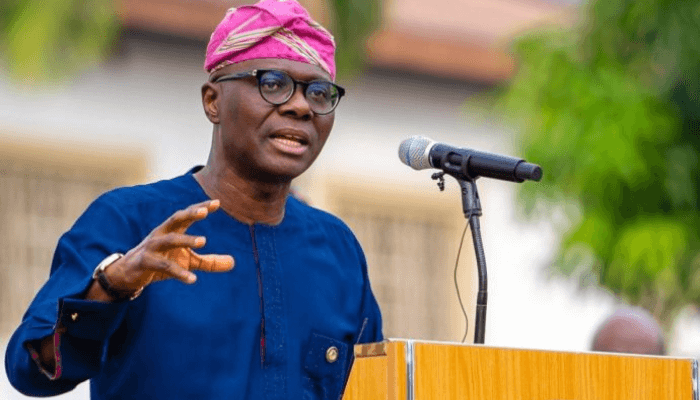
Babajide Sanwo-Olu, represented by Mr. Biodun Ogunleye, Secretary-General of the Ministry of Energy and Mineral Resources, stated that the forthcoming IPPs would operate under a newly established electricity market structure in Lagos. This marks the first substantial outcome of the reforms initiated by the Lagos State Electricity Act 2024.
Targeting High-Demand Areas to Expand Capacity
“We expect the first nationally licensed independent power producer to begin commercial operations by 2026 to early 2027,” Ogunleye noted. These projects are strategically aimed at high-demand areas, including industrial clusters and critical infrastructure, which remain essential for economic growth.
Power Purchase Agreements Signed
Recently, Lagos State signed power purchase agreements (PPAs) and concession agreements with three Independent Power Producers. This initiative aims to bolster power generation capacity from 200MW to 400MW in the coming years. The agreements were formalized at the Lagos House, involving partnerships with Mainland Power Limited, Fenchurch Power Limited, Aggregate Utilities Limited, and Viathan Engineering Limited.
Reliable Electricity as a Catalyst for Economic Growth
The governor emphasized the critical role of reliable electricity in economic transformation, describing energy as the “oxygen of development.” He highlighted that Lagos currently spends an estimated $2.7 billion annually on captive power generation, funds that could be better directed toward productive investments with a stable grid supply.
Challenges and the Path Forward
Despite ongoing challenges related to coordination, regulation, and funding, the governor stressed the importance of transitioning from legislation to implementation. He posed the question of whether the state has the resolve to act, as the establishment of the first state-licensed IPP approaches. This initiative could potentially redefine the trajectory of Nigeria’s power sector, setting a precedent for future developments.
