


Government and Preservation Alliance Challenge Kennedy Center Renovation Plans
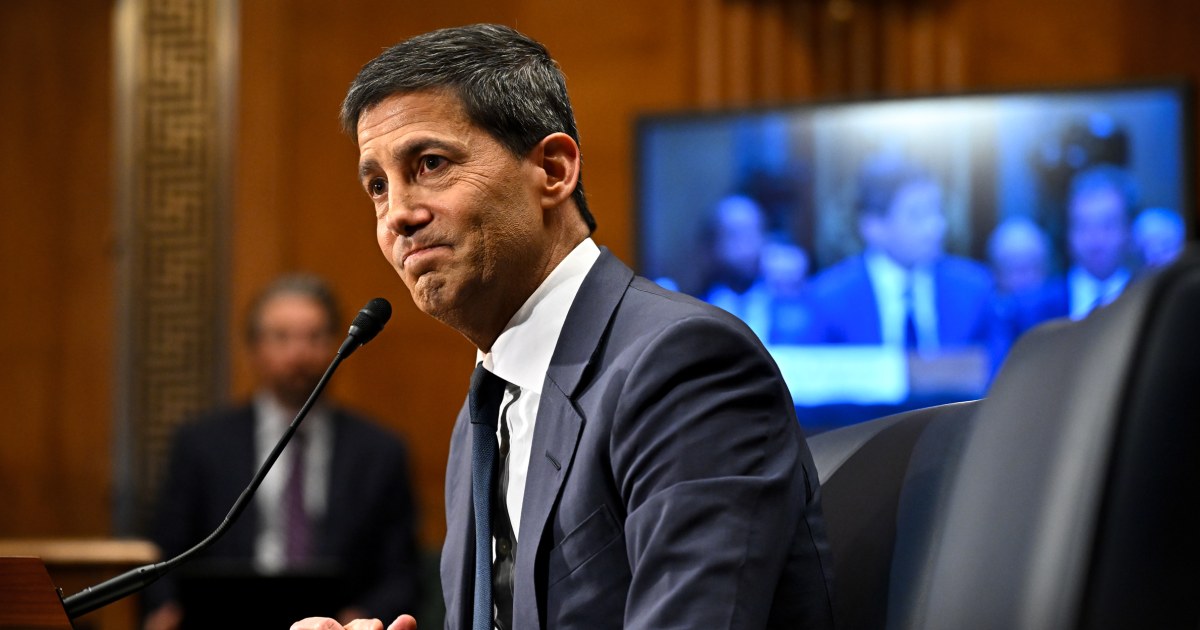
This morning, legal representatives for both the government and the D.C. Preservation Alliance engaged in a detailed cross-examination of Matt Flocka, the acting president and executive director of the Kennedy Center. This session was part of an ongoing lawsuit aimed at preventing the closure of the iconic performing arts venue.
Flocka, who previously specialized in construction management and oversaw the Kennedy Center’s facilities and operations until March, revealed that he had frequent discussions with former President Trump about the center’s renovation plans. Their conversations occurred quite regularly, sometimes multiple times a day, emphasizing the importance of these discussions for the project.
Attorney Abby Lowell, advocating for the plaintiffs, scrutinized President Trump’s assertion that the Kennedy Center’s steel framework would be visible after renovations, suggesting this contradicted Flocka’s court statements. Flocka conceded that exposed steel would indeed be visible from outside the building.
Mr. Lowell pressed Flocka on the implications of recent issues within the East Tower, questioning how he could assure stakeholders that similar problems would not recur. Flocka affirmed that there were no intentions to demolish the center, maintaining that he understood the significance of the current situation.
In a testy exchange, Lowell referenced a well-known adage about being deceived multiple times, which heightened the courtroom tension. The dialogue soon turned to significant changes in the Kennedy Center’s exterior, specifically the controversial decision to remove a weeping willow planted as a tribute to President Kennedy.
Flocka defended the removal, citing it was necessary due to maintenance concerns, and mentioned the search for a more suitable replacement. He noted that weeping cherry blossoms could serve as an appropriate alternative, stating the importance of retaining elements that symbolize “weeping properties.”
Lowell also inquired about the factory’s failure to submit an updated Capitol building plan to Congress since 2021. Flocka’s response sparked further debate, as he expressed a desire to engage with those involved in the oversight of the project.
The government’s legal team underscored critical issues related to water damage at the Kennedy Center, with Flocka asserting the urgent need for closure to facilitate essential repairs before federal funding runs out in 2029. He detailed significant structural concerns, including roof damage that has eroded support elements and created dangerous stalactites in electrical equipment, hinting at potential fire hazards.
Flocka characterized the current supports as mere “Band-Aid” solutions, highlighting a precarious loading dock situation contributing to hazardous working conditions for stagehands, who have described their workspaces as “swamps” due to persistent humidity.
“Neglecting these repairs in favor of programming has led us to this critical juncture,” Flocka concluded, stressing the need for immediate attention. Meanwhile, plans to honor President John F. Kennedy remain accessible, despite challenges surrounding the movement of a significant bust weighing thousands of pounds.
