


Nigeria Launches Pioneering Institute for Media and Information Literacy
Nigeria has made a landmark move in the realm of media education by unveiling its first dedicated institute for media and information literacy. The International Media and Information Literacy Institute (IMILI), recognized as the world’s first UNESCO Category 2 Institute for this purpose, was inaugurated in Abuja by President Bola Tinubu.
Significance of the Initiative
This initiative highlights the growing awareness of the necessity to equip citizens, particularly youth, with the skills required to navigate today’s complex digital landscape. By fostering media literacy, Nigeria takes a proactive stance against the rising tide of misinformation and disinformation flooding various platforms.
Presidential Remarks on the Milestone
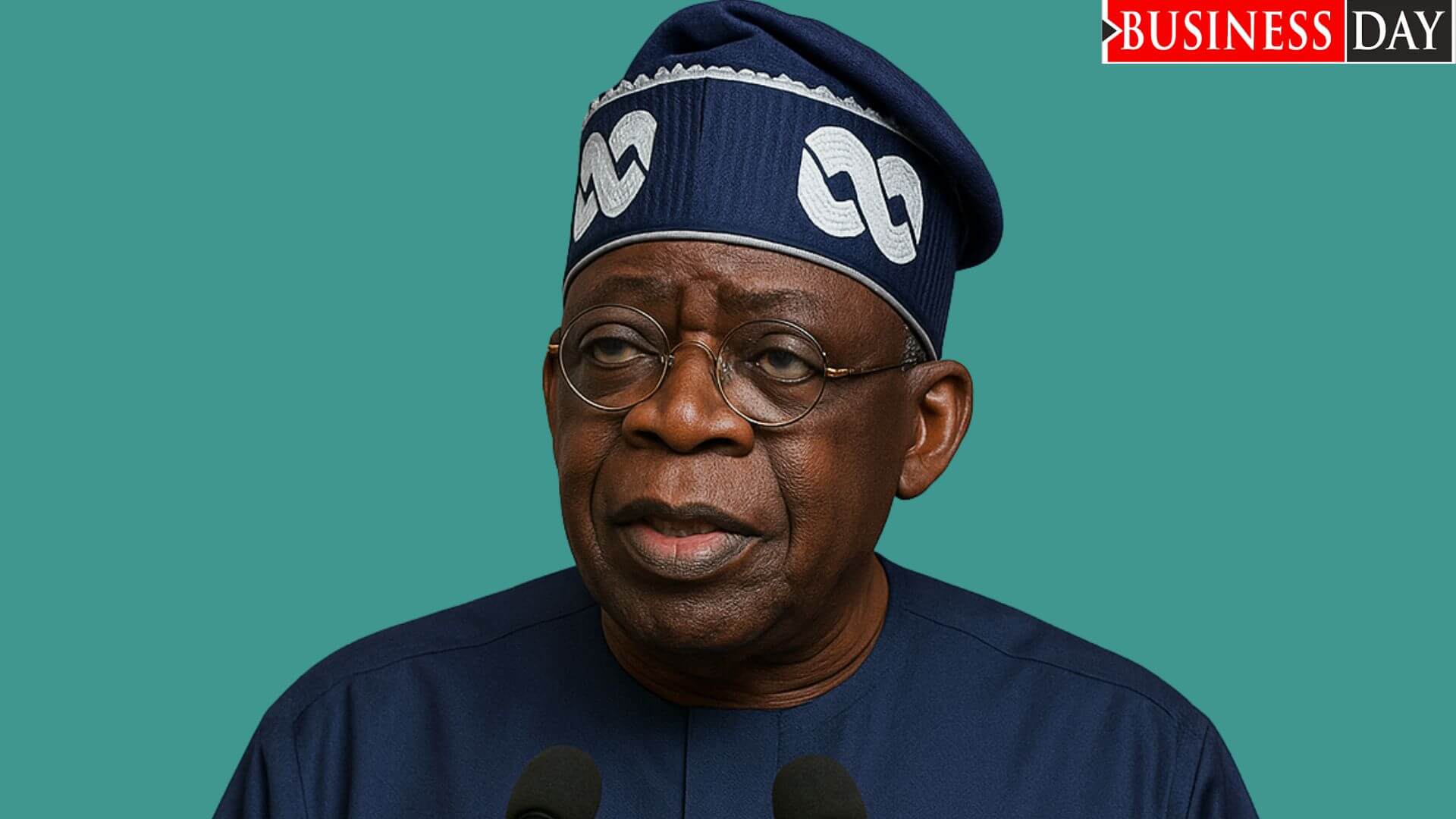
President Tinubu, represented by George Akume, the Secretary to the Government of the Federation, described the establishment of IMILI as a crucial achievement for Nigeria, Africa, and the global community. This milestone comes amidst increasing concerns regarding information distortion in an era characterized by vast access to digital content.
Tracing the Path to Establishment
The President reflected on the journey leading to IMILI’s creation, recalling Nigeria’s organization of the 10th Global Media and Information Literacy Week in 2022. He emphasized Nigeria’s fulfillment of its pledge to institute IMILI as a vital response to the escalating challenges posed by rapid misinformation.
Aimed at Building Critical Thinking and Resilience
IMILI’s establishment is not merely symbolic; it represents Nigeria’s ambition to lead initiatives that promote responsible media consumption and enhance digital resilience. By prioritizing media literacy, the institute aims to strengthen democratic engagement, inform decision-making, and foster collaborative opportunities within the global knowledge economy.
Call for Collective Responsibility
The President acknowledged the collective effort that brought IMILI to fruition, thanking government officials and stakeholders, including Nigeria’s Ambassador to UNESCO. He underscored the pressing need for media and information literacy, stating that the swift spread of misinformation and disinformation poses significant threats to societal cohesion and institutional integrity.
Commitment to IMILI’s Success
Additionally, President Tinubu outlined the federal government’s commitment to supporting IMILI through funding, institutional backing from the National Open University of Nigeria, and collaboration with UNESCO on regulatory frameworks. He called upon all citizens, especially the youth, to advocate for media literacy as a foundational element of national growth and global advancement.
Minister Highlights the Institute’s Potential
In his welcome address, Minister of Information and National Orientation, Mohammed Idris, celebrated the establishment of IMILI as a demonstration of Nigeria’s readiness to lead in fostering informed citizenship and protecting information integrity. He acknowledged the vital contributions from various partners and reaffirmed the government’s commitment to IMILI’s autonomy and sustainability, asserting Nigeria’s position at the forefront of global efforts to enhance knowledge systems and promote freedom of expression.
A Global Hub for Capacity Building
IMILI is set to function as a global center for research and policy dialogue, attracting educators, journalists, policymakers, and young leaders internationally. The ambition is to build resilient systems that encourage critical engagement with the digital space and promote access to reliable information.
