


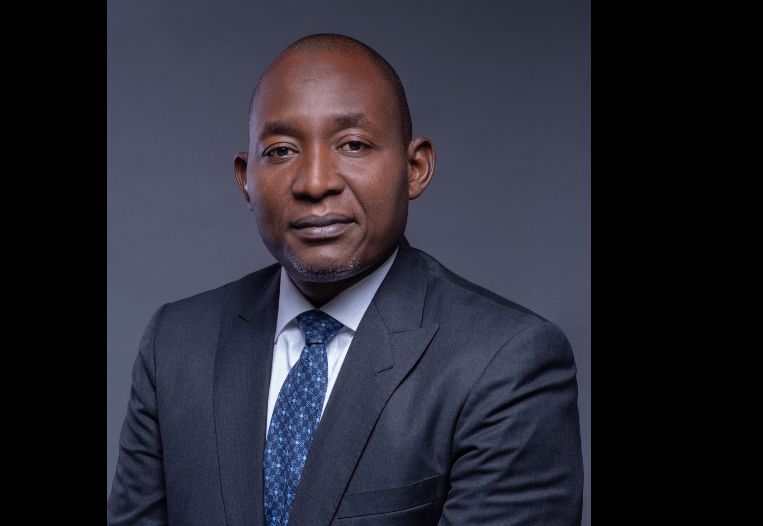
President Tinubu Reshuffles NMDPRA Leadership
The recent announcement from President Bola Tinubu regarding the dismissal of Mr. Saidu Mohammed as the chief executive officer of the Nigeria Midstream and Downstream Petroleum Regulatory Authority (NMDPRA) has taken many in the oil and gas sector by surprise. This regulatory body plays a crucial role in overseeing the technical, operational, and commercial aspects of Nigeria’s midstream and downstream petroleum sectors.
New Leadership at NMDPRA
Mr. Mohammed, who held his position for only four months, is set to be succeeded by Rabiu Umar, a former executive at the Dangote Group, pending Senate confirmation. Umar previously served as the Group Sales and Marketing Director at Dangote Cement Plc and brings over two decades of experience from various senior and executive positions in both the downstream petroleum and cement manufacturing industries.
Before his tenure at Dangote Cement, Umar began his career with Oando Plc, where he assumed multiple management roles within its marketing division. Notably, he spearheaded a successful transformation of the company’s sales and marketing strategies.
Context of the Appointment
Umar’s elevation comes less than five months after President Tinubu appointed Mr. Mohammed, who replaced former NMDPRA chief executive Farouk Ahmed. The change was precipitated by a long-standing dispute between Ahmed and Aliko Dangote, President of the Dangote Group, over the issuance of oil import licenses. Since the Dangote refinery became operational in 2024, Dangote has consistently urged local market players to prioritize domestic refineries over imports for petroleum products.
Despite these calls, Ahmed’s leadership faced criticism for suggesting that a single refinery’s dominance might distort market competition and threaten Nigeria’s long-term energy security. This conflict highlights broader industrial tensions, particularly surrounding the regulatory environment and its implications for local business operations.
Reason Behind Dismissal
While the President did not specify the reasons for Mohammed’s dismissal, it occurs amid rising concerns in the downstream sector, particularly the aviation industry, which is grappling with increasing fuel costs and warnings of potential flight cancellations. Mohammed’s dismissal coincided with his participation in a pipeline technology conference in Berlin, where he was representing NMDPRA.
In a statement, the President’s Office revealed that the decision was in accordance with the Petroleum Industry Act (PIA) 2021 and aims to enhance regulatory efficiency in Nigeria’s midstream and downstream petroleum sectors, aligning with the broader objectives of the administration’s “New Hope” agenda.
Umar’s Strategic Impact
Umar’s appointment arrives as the federal government intensifies its efforts to reform Nigeria’s oil and gas industry and harness the nation’s hydrocarbon resources to drive economic growth. The Dangote refinery’s emergence takes on heightened significance amid global oil market volatility and escalating tensions in the Middle East, which have contributed to rising gasoline prices.
While government officials assert that local refineries are stabilizing forces in the market, many Nigerians continue to face the burden of elevated fuel costs. Industry insiders believe that these challenges could be even more pronounced without the refining capabilities provided by Dangote’s facility.
Potential for Broader Industry Changes
As global oil prices fluctuate, the Dangote refinery frequently adjusts its depot and pump prices in response to market dynamics. Several African nations are reportedly exploring partnerships with Dangote to replicate large-scale refinery projects in East Africa, indicating a potential shift in regional energy strategies.
Some analysts speculate that Umar’s prior experience at the Dangote Group may signal an intent to align NMDPRA’s leadership more closely with industry realities, particularly as Dangote prepares to safeguard its substantial $20 billion investment in the refinery.
