


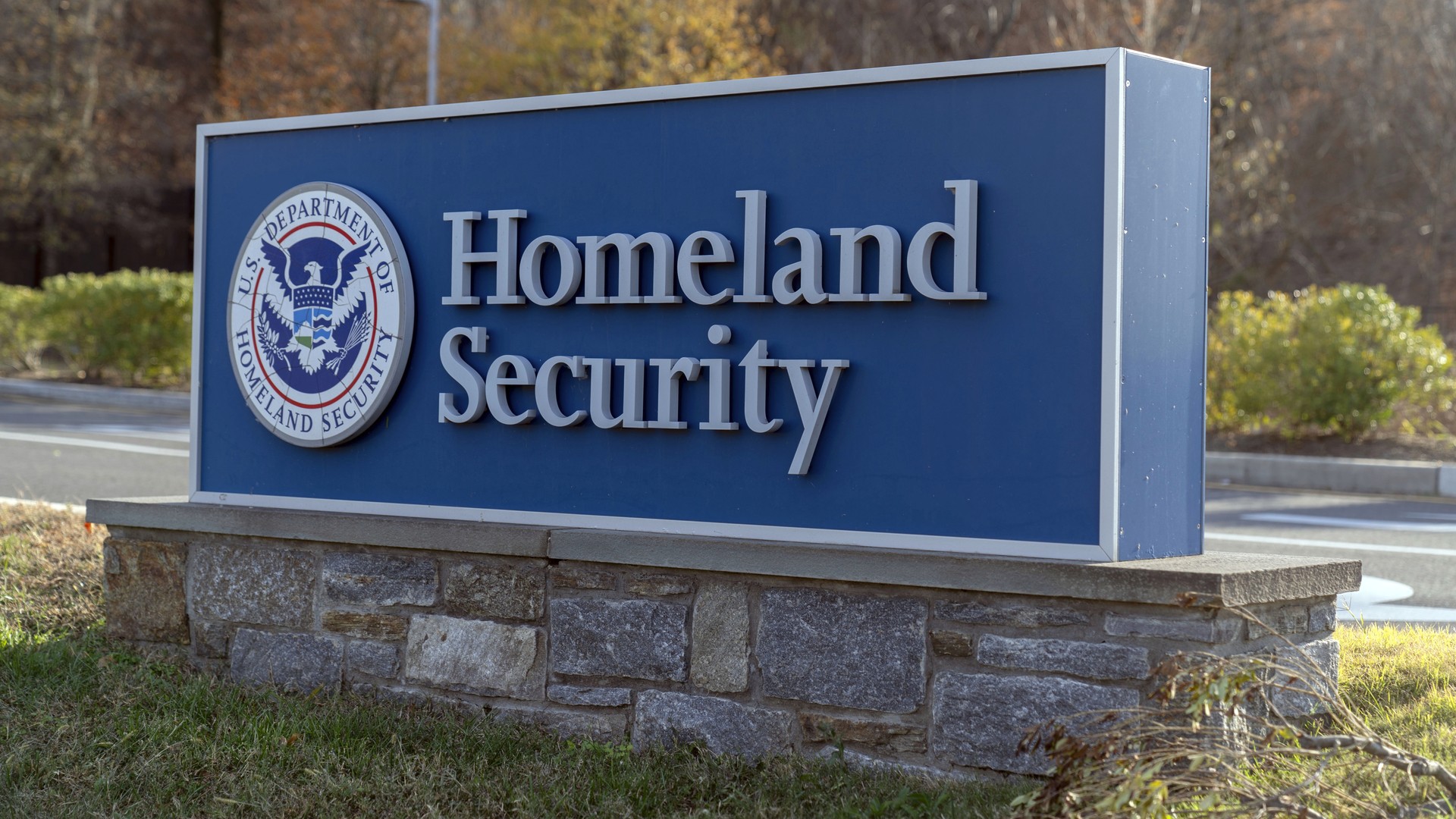
Trump Signs Bill to Fund Department of Homeland Security, Ending Historic Shutdown
President Donald Trump signed a bill on Thursday to fund the Department of Homeland Security (DHS), effectively putting an end to the longest government shutdown in U.S. history. Notably, the approved bill does not allocate any funds for immigration enforcement operations.
The House of Representatives approved the measure earlier in the day through a voice vote.
DHS Secretary Markwayne Mullin expressed gratitude to federal employees, acknowledging the challenges they faced during the 76-day shutdown. “Thank you to all our great patriotic employees who defended our country every day without guaranteed pay,” he stated.
Ongoing Policy Disagreements Hinder Comprehensive Solutions
Despite the passage of the funding bill, lawmakers remain at an impasse regarding the deeper policy disagreements that led to the government shutdown. The bill allocates resources to key agencies, including the Federal Emergency Management Agency, the Transportation Security Administration, and the U.S. Secret Service, while excluding crucial funding for Immigration and Customs Enforcement (ICE) and Customs and Border Protection (CBP).
Democratic lawmakers have insisted on stricter regulations for these agencies, particularly following a high-profile incident where a federal immigration officer was involved in multiple fatalities while on duty. This has complicated negotiations and funding discussions.
However, DHS’s immigration-related functions are not entirely deprived of resources. Previous spending measures have provided significant funding, and Republican officials are now advocating for an additional $70 billion to sustain ICE and CBP through the end of President Trump’s term.
Senate Passes Funding Bill Amid Urgency for DHS Operations
The Senate passed the funding bill on April 1, but House Republican leaders delayed consideration until Thursday, citing the absence of provisions for ICE and Border Patrol. Meanwhile, the White House had highlighted the urgency of passing the bill, warning that failure to do so would lead to funding shortages that could impact the salaries of TSA agents and other DHS personnel.
The Office of Management and Budget issued a memo warning that without funding, DHS would be unable to pay all employees starting in May, threatening air travel and leaving essential law enforcement and Coast Guard personnel unpaid, ultimately jeopardizing national security.
Republicans Aim for Resources through Budget Reconciliation
In response to the situation, Republicans are seeking funding for ICE and Border Patrol via a budget reconciliation strategy, which would allow them to bypass the need for Democratic support in the Senate. The House approved the budget framework late Wednesday, setting aside approximately $70 billion through 2028.
Trump previously indicated that he hoped to present a budget reconciliation bill by June 1. House Budget Chair Rep. Jodi Arrington (R-Texas) commended her party’s initiative to not only end the prolonged shutdown but also to secure sufficient resources for ICE and CBP over the next three years.
Criticism of Funding Methods from Democratic Lawmakers
Rep. Brendan Boyle (D-Pennsylvania), the minority member of the Appropriations Committee, criticized the reconciliation approach, asserting it would allocate billions to ICE and CBP without instituting necessary reforms or accountability measures. He highlighted a broader context where Republicans prioritize funding for immigration enforcement while dismissing the financial struggles faced by American families.
Sen. Chris Murphy of Connecticut emphasized that Democrats are not currently advocating for comprehensive immigration reform, suggesting a desire for targeted changes to address the Trump administration’s policies.
Labor Unions Express Concern Over Employee Treatment
Everett Kelly, president of the American Federation of Government Employees, remarked that many federal employees have been working without guaranteed pay during the DHS shutdown. He expressed relief that Congress has moved to fund the DHS, but lamented the length of time it took to reach this point. “Federal employees are not political pawns. They are Americans and deserve to be treated with dignity and respect,” Kelly stated, underscoring the need for a more respectful approach towards federal workers.
