


Nigeria’s $300 Billion Dead Capital Dilemma Tied to Data Infrastructure Failures
Nigeria’s substantial land wealth, estimated at over $300 billion, is increasingly viewed as a problem rooted in technology and data infrastructure, rather than a shortage of resources. Experts attending the Geospatial Builders Conference (GBC 2.0) in Lagos voiced concerns that the country’s land assets are relegated to the status of “dead capital” because they remain largely inaccessible to digital and financial systems.
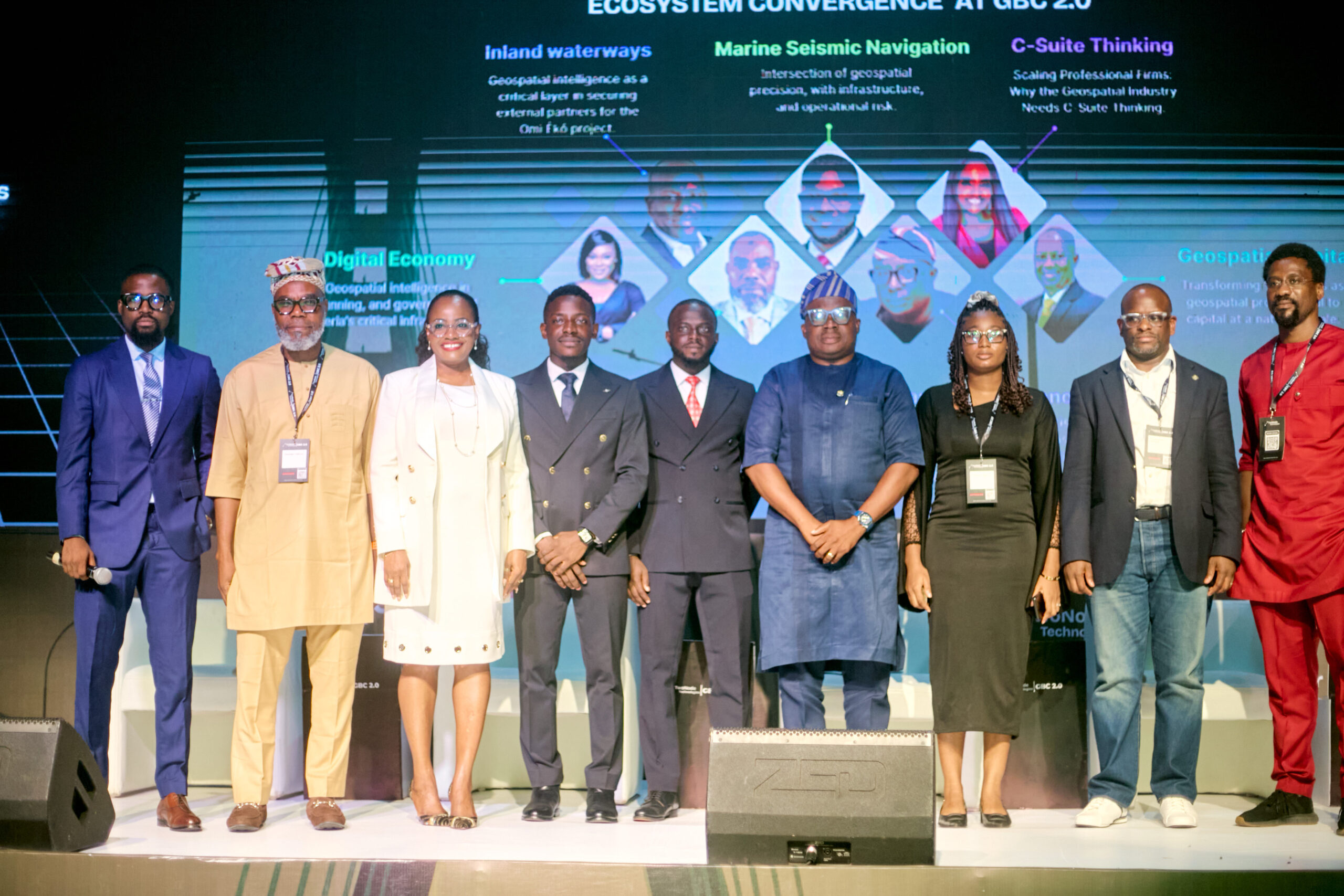
Hosted by TwoNode Technologies, the conference attracted over 200 stakeholders from geospatial engineering, policy, and land management to examine how the effective functioning of land as a modern economic asset hinges on the establishment of a solid geospatial infrastructure. As Nigeria embarks on its digital transformation journey, the central issue shifts from whether the nation possesses assets to whether it has the systems necessary to capitalize on them.
Experts highlighted that nearly 95 percent of Nigeria’s land exists outside formal digital and verifiable frameworks, indicating that most properties lack the identification, traceability, and standardized records essential for financial transactions such as loans, insurance, and investments. Emmanuel Omotunmi, representing the Survey Department, emphasized the challenges posed by this lack of formal engagement, stating that while land ownership is common, most real estate properties remain without the necessary identification and verification—key components for gaining financial access.
According to Omotunmi, “Banks don’t lend on land; they lend on certainty.” He underscored that without a structured geospatial framework, land cannot operate as an effective economic asset. Peter Ritchie, Managing Director of Icon Geoinformation Services, likened geospatial data to critical economic infrastructure, positioning it alongside payment systems and digital identity solutions.
Participants at the conference underscored the pressing need for an integrated geospatial framework. This would combine satellite imagery, cadastral mapping, digital registration, and analytical capabilities into a cohesive system. Such infrastructure promises to not only enhance land valuation and dispute resolution but also enable the secure and scalable use of land as collateral.
The Director of the Lagos State Lands Department, Olawale Ojikutu, pointed out that better data systems could significantly enhance assessment accuracy and streamline compensation processes, particularly in urban development and infrastructure initiatives. With Nigeria poised for its next wave of economic growth, experts argue that the focus should be less on discovering new resources and more on leveraging the digitization of existing assets.
Abiola Laseinde, chair of CIO Awards Africa, advocated for a paradigm shift within the geospatial sector. He called for a movement away from fragmented, small-scale operations towards enterprise-driven platforms that can scale nationally. Laseinde noted that achieving this transformation will require improved tools and a robust collaboration between government entities, the private sector, and technology providers.
