


Manchester United Consider Long-Term Appointment of Michael Carrick
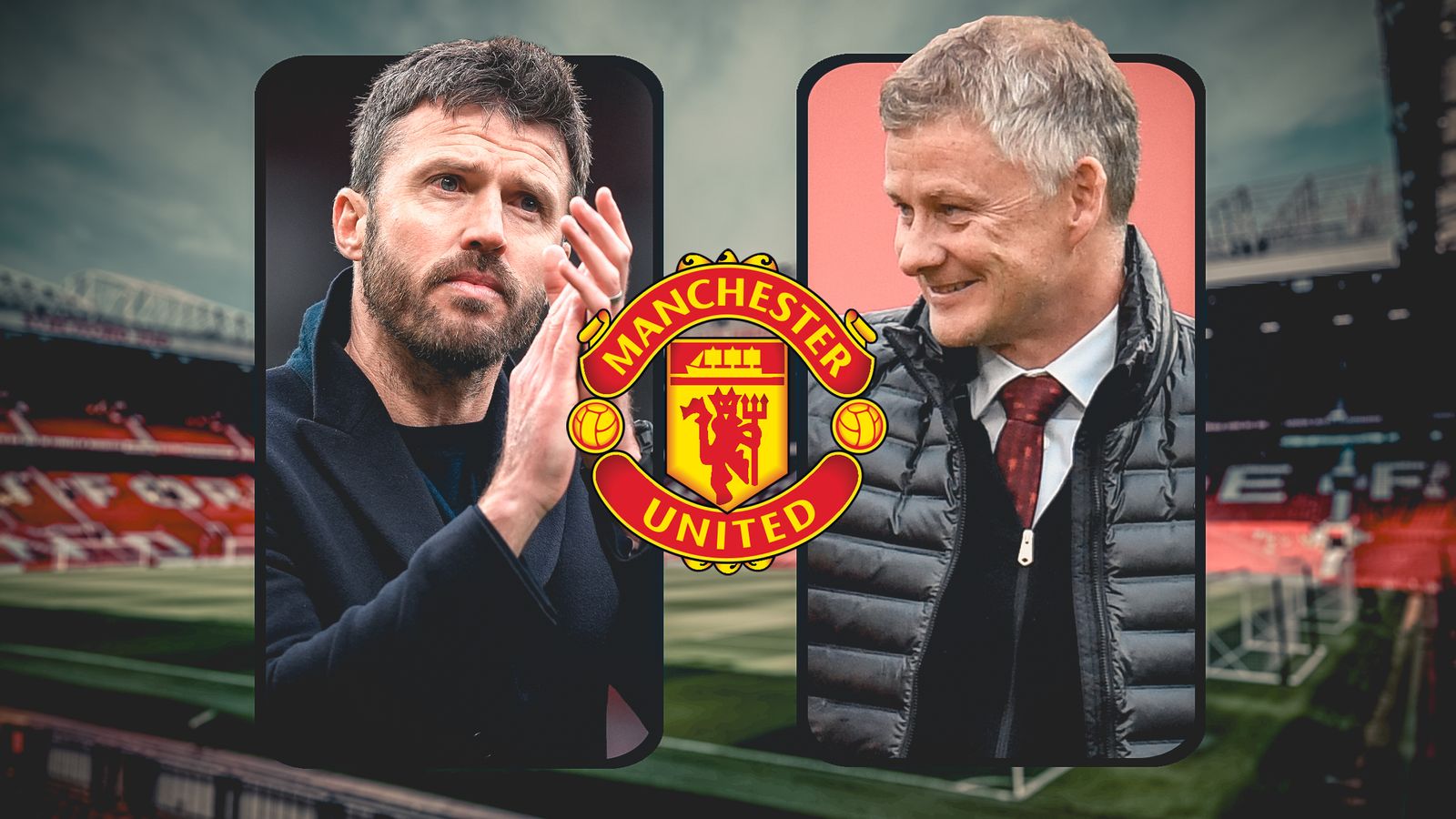
Manchester United is once again at a crossroads as the club looks to appoint Michael Carrick as their permanent head coach. This situation bears an unsettling resemblance to the journey of Ole Gunnar Solskjaer, who transitioned from caretaker to full-time manager.
Since taking over in mid-January, Carrick has delivered commendable results. Yet, doubts linger regarding his long-term suitability for the role, partly due to parallels drawn with Solskjaer, who also managed to stabilize the team during a particularly challenging period under a previous Portuguese coach.
Although Carrick has deemed these comparisons as “irrelevant,” the prevailing narrative surrounding his potential appointment remains strong. But are such comparisons justified?
In the 13 Premier League games he oversaw before securing a permanent position in 2019, Solskjaer amassed significant numbers. Carrick is now at the same juncture, having completed an equal number of matches. Analyzing their performances offers a clearer picture of how their tenures compare.
Performance Metrics: Analyzing Results
When it comes to results, Solskjaer has outperformed Carrick, collecting 32 points from a possible 39, surpassing his former assistant by three points after the same number of games. Furthermore, Solskjaer’s squad netted 29 goals—five more than Carrick’s team—while conceding three fewer.
However, Solskjaer’s tenure included matches against all three relegated teams and only four fixtures against top-half Premier League clubs from the 2018/19 season. In contrast, Carrick’s unit has already faced seven opponents that were in the top 10 when the weekend began, demonstrating a tougher schedule.
Among Solskjaer’s standout moments was a crucial away victory against Tottenham, which ultimately secured a fourth-place finish in the league. Meanwhile, Carrick has already marked his territory with impressive wins against powerhouse teams like Manchester City and Arsenal in consecutive games.
Scheduling and Context of Duties
Carrick contends that comparisons with Solskjaer are misleading as every coaching situation is inherently different. While Solskjaer juggled commitments in both the Champions League and FA Cup, Carrick has enjoyed an advantageous midweek break between league fixtures, with some stretches this season allowing for 24 days off between games.
In terms of total games managed, Solskjaer oversaw 19 matches over 86 days compared to Carrick’s 13 over 101 days, emphasizing the variance in demands each faced.
Assessing the Talent Pool
Evaluating the players available to each manager is crucial when considering their relative successes. We’ve compared the preferred starting elevens of both Carrick and Solskjaer to help shed light on this aspect.
Under Solskjaer, notable performers included Eric Bailly, Chris Smalling, and Romelu Lukaku, among others. Carrick, on the other hand, has been able to select from recent acquisitions such as Mason Mount and other emerging talents.
Tactical Styles and Philosophies
Historically, Solskjaer was one of United’s more successful managers post-Sir Alex Ferguson, although his tenure was often criticized for a lack of defined playing style, typically leaning on counter-attacks. Carrick has displayed a slightly different approach, finding success similarly against teams that were expected to dominate possession.
The stylistic similarities between Carrick and Solskjaer strengthen the narrative that Carrick may merely be a rehash of his predecessor. However, these perceptions could evolve as he implements his unique strategies at Old Trafford.
Understanding Contextual Differences
Context plays an essential role in the evaluations of both Carrick and Solskjaer. Solskjaer inherited a challenging environment shaped by Jose Mourinho’s tumultuous exit. In contrast, Carrick stepped in following Ruben Amorim, who left the club after publicly criticizing management, yet Carrick appears to have retained better rapport with the current squad.
While both managers faced significant pressures to adapt, the underlying dynamics showcased during their transitions ultimately shaped their initial performances, setting the stage for their respective futures at the club.
