


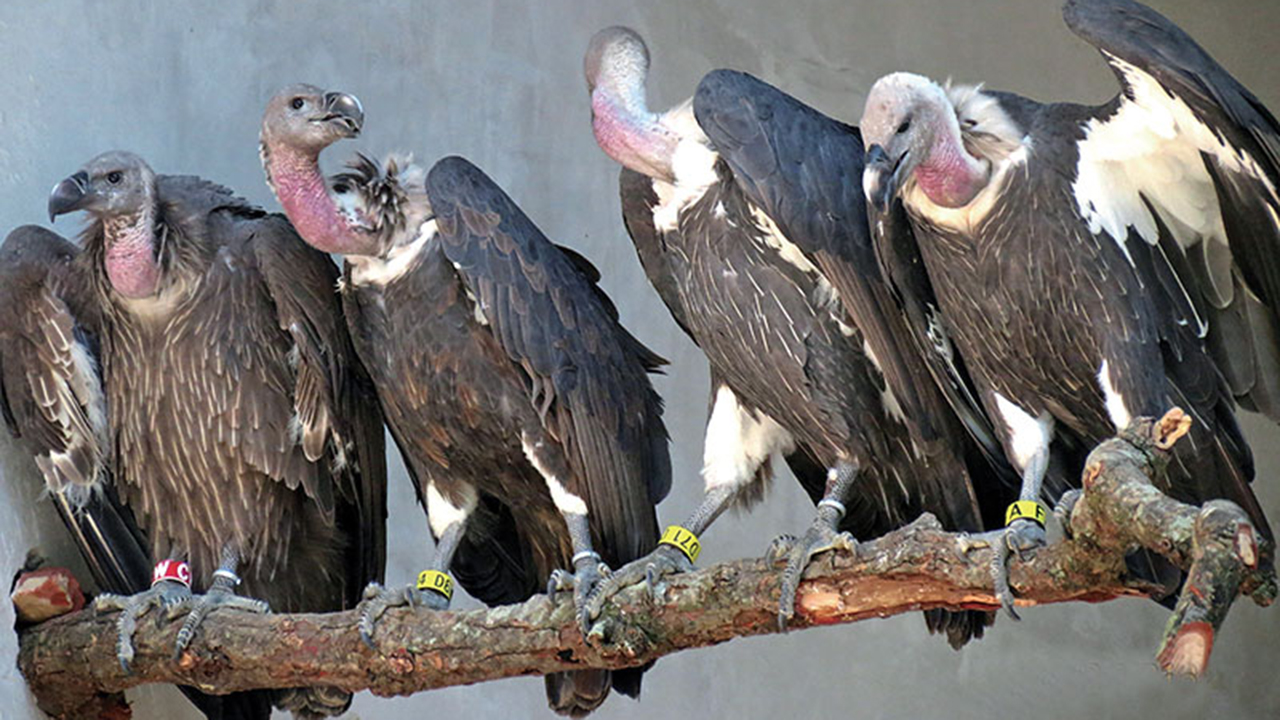
Declining Vulture Populations Raise Alarm
The imminent extinction of vultures has become a pressing concern as these scavenging birds of prey have all but vanished from many ecosystems. Their absence raises critical questions about environmental balance and public health.
Rare Sightings of Vultures Across Continents
From southern to northern regions, the sighting of vultures has dwindled significantly. Observers note that a “kettle”—the term for a flock of vultures in flight—has scarcely been seen in recent times. Similarly, a resting group is referred to as a “committee,” while those feeding together form a “wake.”
The Ecological Importance of Vultures
Vultures play a crucial role in maintaining ecological balance. Wildlife conservation experts highlight their vital contribution as nature’s clean-up crew, effectively managing biodebris and curbing disease outbreaks associated with decaying animal carcasses. Without these birds, humans would face an increased risk of illnesses, leading to significant healthcare costs.
Threats Facing Vulture Populations
Despite their importance, vultures are facing profound threats, particularly in Nigeria and other parts of Africa, where they are being killed at alarming rates. Over the past decade, research indicates a shocking decline from millions to only a few hundred vultures. Of the approximately 30 vulture species worldwide, 11 reside in Africa, with six native to Nigeria. Notably, eight of these species are classified as vulnerable to extinction.
Cultural Perspectives and Modern Risks
Despite their ecological and cultural significance as messengers in folklore, vultures are increasingly falling victim to traditional medicine practices and the illegal wildlife trade. A 2017 study by the Nigeria Conservation Foundation identified key hubs for vulture sales in Nigeria, with cities like Ibadan and Kano emerging as centers for this troubling market.
Mass Poisoning and Its Underlying Causes
Mass poisoning is another severe threat to vulture populations, particularly due to residues of diclofenac—a pain relief medication for cattle. When these treated animals die and vultures consume their carcasses, the consequences can be catastrophic for avian populations. Slaughterhouses, often seen as a food source for these birds, also pose risks as vultures often eat toxic leftovers.
Collaborative Efforts Needed for Conservation
Experts advocate for a collaborative approach involving various stakeholders, including national agricultural agencies, conservation organizations, and religious communities. Addressing misconceptions about vultures and promoting awareness of their ecological value is critical. Partnerships are essential to find sustainable alternatives to diclofenac and other harmful practices, ensuring that vultures do not face increasingly dire circumstances.
The Ongoing Struggle for Vulture Survival
As reports indicate a sharp decline in the global vulture population, concerted efforts to combat illegal wildlife trade and the exploitation of these birds in cultural rituals are more important than ever. According to Ruth Akagu, Species Officer for the Nigeria Conservation Foundation, vigilance and action from the public and authorities alike can make a substantial difference in saving these indispensable birds. Every individual has a role to play in raising awareness and sharing knowledge about vultures, as their fate affects us all.
