


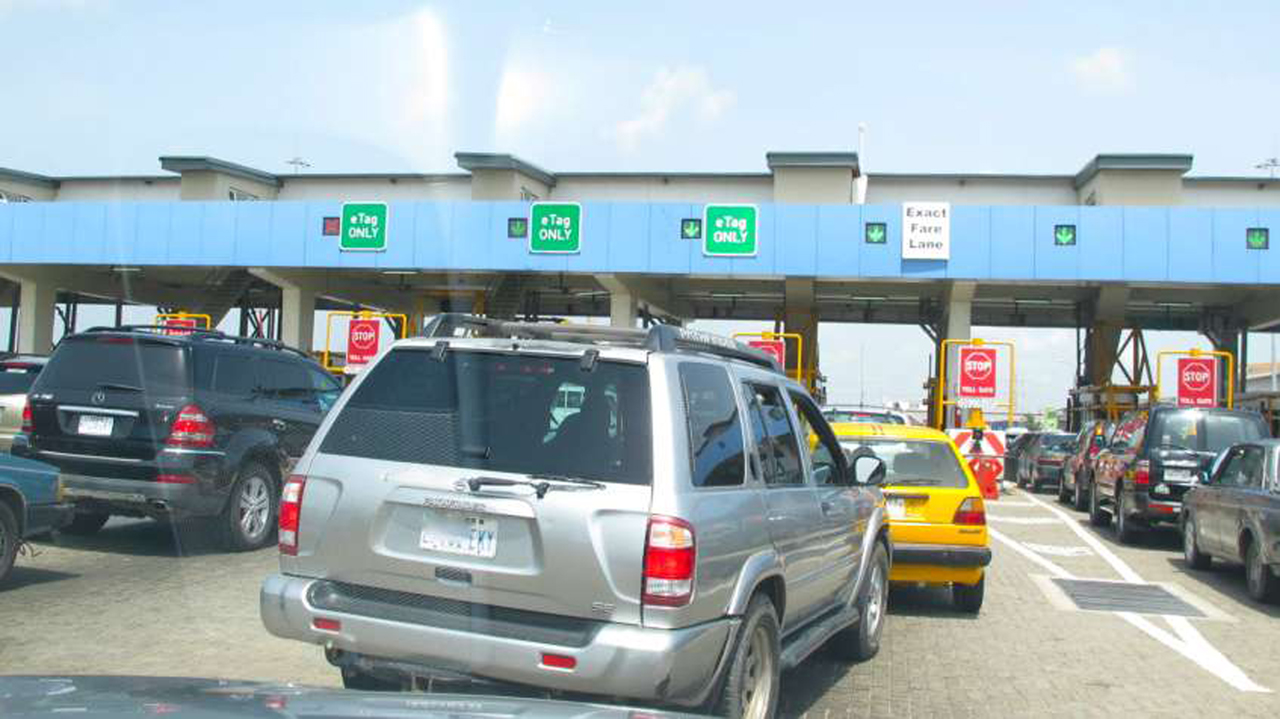
Government’s Plan to Reintroduce Toll Plazas Faces Backlash
Sixteen years after their removal by former President Olusegun Obasanjo, the federal government’s recent proposal to reinstate toll plazas has sparked considerable controversy. Many critics argue that the country’s dilapidated road infrastructure poses significant risks, asserting that any tolling efforts should follow comprehensive road repairs.
Minister’s Clarification on Toll Plaza Policy
Minister of Labor and Housing, Babatunde Raji Fashola, addressed the confusion surrounding the toll plaza proposal. He criticized a State House correspondent’s report that mistakenly framed the issue as a new federal revenue initiative. Fashola emphasized that his brief mention of tolls during a recent Federal Executive Council (FEC) meeting was not indicative of a new policy or decision by the FEC. Contrary to public interpretation, he stated that no official decision on the toll plaza policy had been made.
Intent to Collect Funds for Road Maintenance
Despite the backlash, Fashola reportedly indicated that the federal government aims to revive toll plazas primarily to secure funding for road maintenance. The reintroduction of tolls has surfaced as a contentious topic, especially following President Obasanjo’s 2003 directive to eliminate them. At that time, the rationale was to utilize revenue from increased fuel prices to maintain roads, a sentiment that remains relevant today.
Challenges with Current Infrastructure
Fashola lamented that the current daily toll revenue of N63 million is insufficient to address the nation’s road maintenance needs. He criticized the existing toll system for being both inconvenient and prone to corruption. In light of this, he noted that the government is prepared to move forward with plans to redesign and reconstruct toll facilities to enhance efficiency and transparency.
Experts Voice Out Against the Proposal
The announcement has elicited strong reactions from industry professionals. Oludayo Olufemi, the National President of the Nigerian Association of Road Traffic Engineers, condemned the government’s approach, asserting that the absence of quality roads warrants a reevaluation of tolling. He emphasized that the federal government must focus on reforming the road sector rather than resorting to tolls as a solution.
Political Opposition and Economic Concerns
The opposition party, the Peoples Democratic Party (PDP), has labeled the toll plaza proposal as ill-conceived and detrimental, particularly in light of current economic pressures. The PDP’s statement articulated concerns that tolling would disproportionately affect citizens already grappling with rising living costs exacerbated by governmental economic policies.
The Need for Sustainable Solutions
While toll plazas are a common infrastructure element in many countries, they are viewed in Nigeria as temporary revenue sources rather than components of a well-maintained road system. Critics argue that toll revenues should directly fund road upkeep. Rebuilding infrastructure directly tied to such revenues raises questions about the previous removal of tolls in favor of alternative funding methods.
Addressing the Broader Implications
The potential for widespread traffic congestion and increased crime in the wake of toll reintroduction has raised alarms among citizens. Many citizens fear that the government’s focus on new toll revenues could add financial strain during an economic crisis. Ultimately, observers stress the necessity for a comprehensive approach to road maintenance, advocating for the establishment of a National Roads Fund to ensure sustainable financial support for infrastructure projects. Recent legislative proposals to this effect still require decisive governmental action.
