


Joint Task Force Achieves Major Success Against Terrorists in Northeast Nigeria
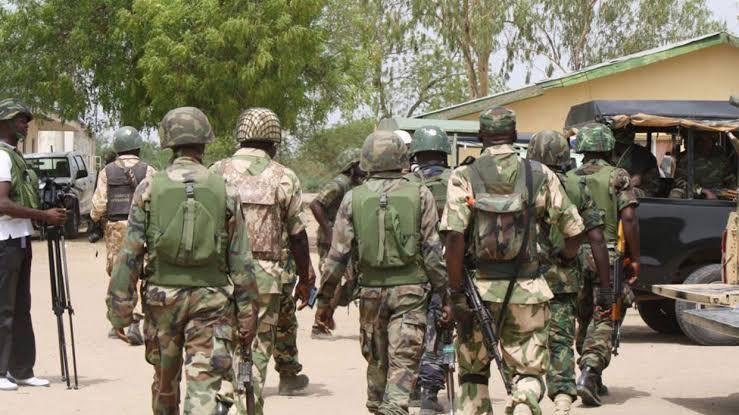
In a significant operation, units from the Joint Task Force (Northeast) under Operation Hadin Kai, in collaboration with the Sector 2 Stabilization Force Brigade and the Civilian Joint Task Force, successfully neutralized 18 terrorists in the Bulabulin Forest. This targeted action also saw the clearing of the Timbuktu Axis rebel enclave, compelling several insurgents to flee with varying injuries.
This well-coordinated attack was part of Operation Desert Sanity V, which received aerial support from the Air Force Command’s assault platforms, enhancing operational effectiveness.
According to Lieutenant Colonel Sani Uba, the media officer for Operation Hadin Kai, the operation yielded notable successes through two separate but coordinated engagements carried out by Sector 2 forces. These operations took place in the Azir Bridge area of the Timbuktu axis and the Bulabulin forest, executed in close cooperation with the Air Command.
During the operations in the Bulabulin Forest Axis, Sector 2 forces, alongside members of the Sector 2 Stabilization Force Brigade and the Civilian Integrated Task Force, undertook extensive clearance missions in known terrorist enclaves in Mar, Subudu, Yaro Lawanti, Yaro Shuwari, and surrounding regions along the Kamadogu-Yobe stretch.
All identified support structures used by the terrorists were systematically destroyed. The post-operation assessment led to the successful recovery of nine AK-47 rifles, three PKT anti-aircraft machine guns, five motorcycles, a variety of ammunition, and materials linked to improvised explosive device production. This operation significantly disrupted the logistics and operational capacities of the terrorists in the region.
Additionally, along the Timbuktu axis of the Wajiroko-Sabongari corridor, troops engaged with insurgents while receiving vital support from the OPHK Air Force Command. The ground forces demonstrated commendable resilience and tactical discipline, successfully neutralizing the rebels.
Follow-up reconnaissance revealed seven incapacitated terrorists, with additional bloodstains and remains suggesting there were more casualties during the confrontations. Recovered items included an AK-47 rifle, RPG tubes, substantial ammunition supplies, bandoliers, and advanced communication equipment.
Lt. Col. Uba emphasized the vital role played by the Air Command in both operations, which provided continuous intelligence, surveillance, and reconnaissance. This capability improved real-time situational awareness, ensuring precise target selection and effective coordination of ground attacks. He also noted that precision air strikes against identified terrorist positions further weakened the insurgents, supporting the simultaneous air and ground assaults.
Currently, the military and volunteer forces are undertaking follow-up operations along the Forfort-Murte-Wajiroko axis. These efforts aim to consolidate recent gains, pursue fleeing insurgents, and counter any regrouping attempts. The statement underscored that these operations reflect Operation Hadin Kai’s heightened efficiency and its sustained dominance across the operational theater.
