


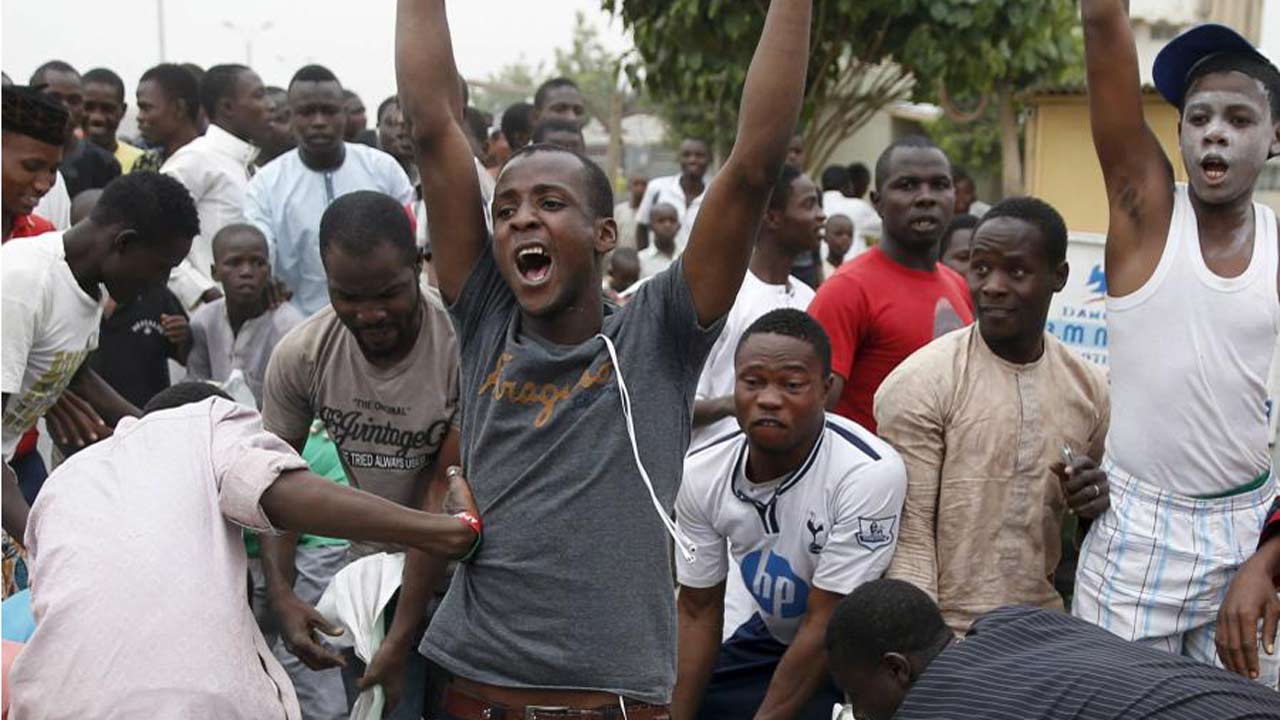
Nigeria’s Youth Crisis Demands Immediate Action
One of the most pressing challenges facing Nigeria today is the urgent need to address the increasingly rebellious nature of its youth, who are becoming a national concern. The situation has escalated to alarming levels, and without timely intervention, Nigeria risks descending into a state of anomie, characterized by rampant lawlessness among young people lacking governance skills. The rapid proliferation of dangerous cult groups is a cause for serious concern among citizens who care about the future of the nation. The troubling trend indicates a delayed and insufficient response to a critical issue that has now permeated a significant portion of the country.
Understanding the Root Causes of Youth Discontent
The question troubling many is how Nigeria has reached a point where its youth are exhibiting behaviors that threaten national stability. An impartial analysis reveals that the tensions among young people are deeply rooted. The age-old adage, “an idle mind is the devil’s workshop,” rings especially true in this context. With millions of unsupervised youth wandering the streets, many have absorbed negative influences as the new normal. United Nations reports highlight not only the staggering number of children out of school but also countless secondary school dropouts and a growing population of unemployed graduates. This creates an environment ripe for criminal activities, encompassing everything from internet fraud and robbery to cult involvement and kidnapping.
The Education System’s Role in the Crisis
A fundamental factor contributing to this crisis is the failure of Nigeria’s education system, which produces graduates ill-equipped for employment alongside a high rate of unemployment among certificate holders. For nearly three decades, the education sector has been in decline, with successive governments offering empty promises instead of actionable solutions. Public schools have deteriorated to a distressing extent, turning into breeding grounds for delinquency rather than centers for learning and growth.
The Politicization of Education
The troubles began when education became heavily politicized, with politicians making unfulfilled commitments to provide free education without corresponding investments in the sector. As a result, most schools lack essential teaching resources, and policies that once provided free textbooks to students have disappeared. Currently, many students attend school without adequate educational materials, severely impacting their learning experience.
Addressing Teacher Welfare and Student Outcomes
Teachers are striving to justify their salaries against a backdrop of governmental rhetoric that fails to address the real issues at hand. The poor conditions within public schools have led to high dropout rates, forcing many young people into lives of idleness. Those unable to enter higher education are particularly vulnerable, as are graduates who cannot find work. The overarching issue is clear: the lack of opportunities for young people in Nigeria poses a serious threat to societal stability. It is imperative to revitalize the public school system, ensuring adequate teaching resources and a renewed emphasis on education.
Implementing Solutions for Youth Engagement and Employment
The path forward involves more than investing in infrastructure; teacher welfare and ongoing training must take center stage. The government could revisit the introduction of A-level programs in select secondary schools, providing students a viable pathway to further education while creating employment opportunities for educators. For the growing number of unemployed graduates, establishing vocational training centers would bridge the gap, equipping young people with applicable skills and offering soft loans to aspiring entrepreneurs.
Reconstructing the Nigeria Police Force and Security Measures
Moreover, there is a pressing need to reform Nigeria’s security landscape. The current shortage of police officers in many states contributes to widespread unrest, exposing the inadequacies within the security apparatus. As Nigeria faces an unprecedented number of young people seeking employment, it is crucial to rethink recruiting practices, potentially creating a new police force comprised of graduates focused on intelligence and community security. Until systemic changes are implemented, the existing issues within the Nigeria Police Force, which has lost public trust, will persist, leaving citizens feeling vulnerable.
Proactive measures must be taken to engage the youth meaningfully, fostering a more stable and prosperous future for Nigeria.
Mr. Oyewusi, Coordinator of Ethics Watch International, contributed from Lagos.
