


The Origin of a Unique Meme in The Devil Wears Prada 2
What some viewers interpreted as an AI-generated meme in the much-anticipated sequel to The Devil Wears Prada was actually crafted by a skilled human artist. This revelation has sparked significant interest and conversation online.
The Film’s Box Office Success
The sequel to the 2006 film has made a substantial impact at the box office, as the original cast reunites 20 years later to continue the story of the fictional Runway magazine. Fans and newcomers alike have shown their excitement for this nostalgic return to the screen.
Memes as a Plot Element
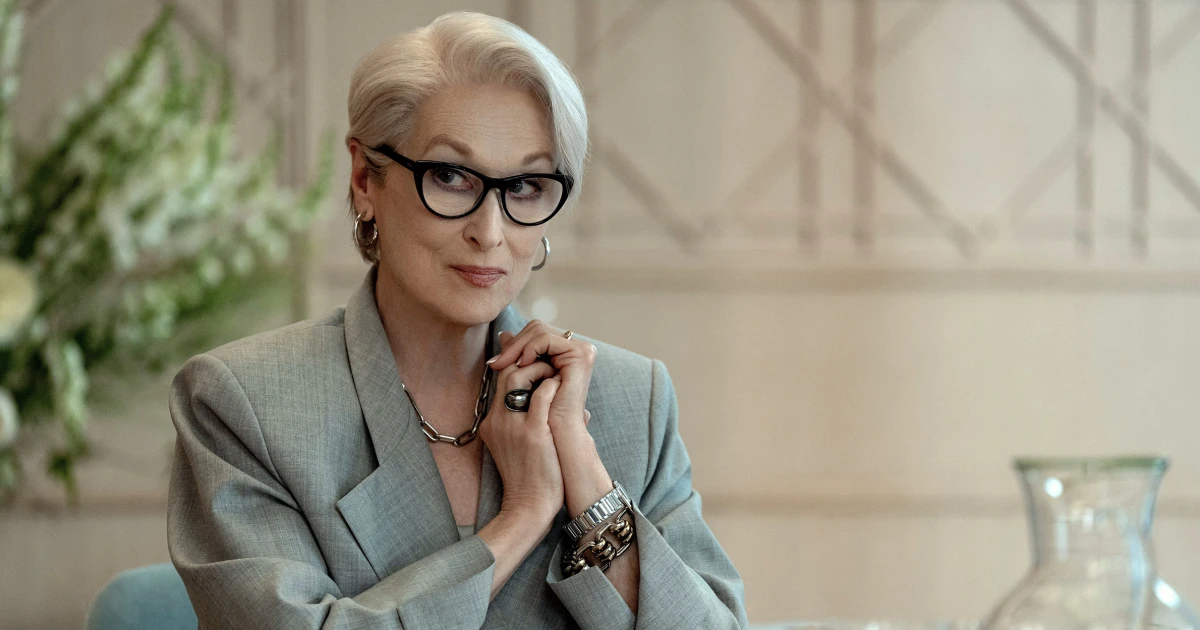
Among the memorable moments in the film is a brief clip featuring a variety of internet memes that poke fun at the character of Miranda Priestly, depicted by Meryl Streep. One particular meme portrays Priestly as a fast-food worker, accompanied by the caption, “Can I lie about it?” This scene not only entertains but also satirizes the current state of media and its portrayal of public figures.
Artist Behind the Meme Revealed
Initially, many viewers mistook the meme for a poorly executed AI creation, adding to the film’s critique of modern media. However, artist Alexis Franklin clarified on social media that the image was entirely hand-drawn. This revelation led to a wave of surprise and excitement among fans who appreciated the artistry and human touch behind the work.
A Passion Project Turned Opportunity
In an Instagram post, Franklin explained her creative process, sharing that she had been exploring this style for fun in her spare time. Director David Frankel invited her to contribute to the film, and she embraced the opportunity with enthusiasm. Her post featured a time-lapse video showing her artistic journey, which garnered hundreds of positive comments praising her work and the film’s choice to prioritize human artistry.
Balancing AI and Artistic Authenticity
Despite the positive reception, some viewers have raised concerns about the resemblance of Franklin’s work to AI-generated images. She noted that while her style aimed for a “cheap, plastic look” reminiscent of 2010s memes, certain elements—like blurred text—mimic the tell-tale signs of AI. Franklin acknowledged this duality, stating that while she sought an artificial aesthetic, it wasn’t intentional emulation of AI-generated art.
The Struggle for Recognition in the Age of AI
Franklin has been an illustrator for nearly a decade, yet skeptics often question the authenticity of her work, some even accusing her of fabricating the artwork. This sentiment is indicative of a wider concern within the artistic community as generative AI technologies become increasingly advanced. Media professionals are worried that as AI-generated imagery becomes more realistic, the line between human creativity and machine output continues to blur, creating a challenge for genuine artists seeking recognition.
Franklin understands this skepticism, especially among those who champion human artists, but she believes this atmosphere can also hinder legitimate creators. “AI is so pervasive now that I feel like people have forgotten how it got so good. It studied us,” she remarked, underscoring the ownership we have over the technology. This ongoing discourse highlights the need for a balanced understanding of art in an era where technology plays an ever-increasing role.
