


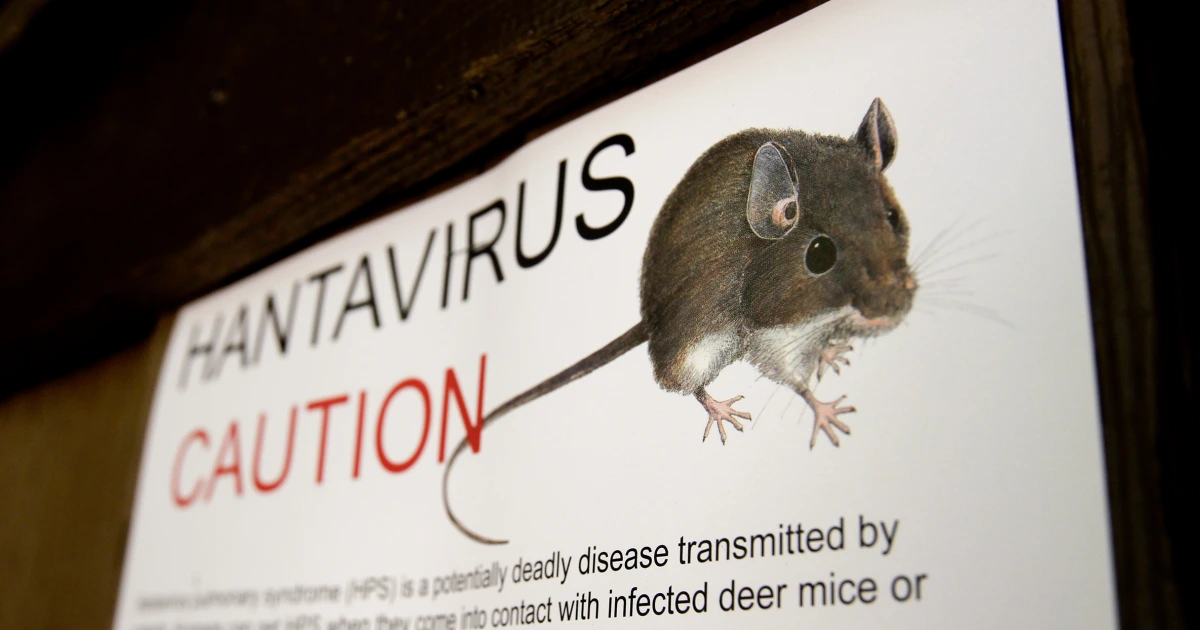
The virus responsible for the tragic deaths of three individuals and the illness of three others on a recent cruise ship is a rare yet perilous threat. Currently, there is no vaccine, treatment, or cure for this pathogen, which poses significant health risks to those affected.
Hantaviruses, primarily transmitted through rodents such as mice, can be found in the saliva, feces, and urine of these animals. On Sunday, the World Health Organization confirmed one case of hantavirus infection aboard a cruise ship in the Atlantic and reported an additional five suspected cases. Oceanwide Expeditions, the cruise company in question, disclosed that three passengers had died, one was receiving intensive care in South Africa, and two crew members required urgent medical attention while still on board.
In a notable incident last year, hantavirus took the life of Betsy Arakawa, the wife of actor Gene Hackman. She succumbed to hantavirus pulmonary syndrome at the age of 65, while Hackman passed away just a week later due to complications related to hypertension. It was noted that Alzheimer’s disease contributed significantly to his health decline.
Predominantly found in New Mexico, the deer mouse serves as the chief carrier of hantavirus, identifiable by its white underbelly and large ears. Dr. Jeff Duchin, a former public health official in Seattle who played a role in characterizing the initial outbreak identified in 1993, labeled the disease “scary.” He stated that despite not being uniformly fatal, the case fatality rate hovers around a concerning 40%.
Identifying the Symptoms
According to the Centers for Disease Control and Prevention (CDC), initial symptoms in the U.S. commonly include fatigue, fever, and muscle aches, with some individuals experiencing headaches, dizziness, chills, and gastrointestinal issues. Dr. Duchin remarked that initial symptoms could mimic those of COVID-19 or influenza, thereby complicating accurate diagnosis.
Dr. Scott Roberts, an assistant professor of medicine at Yale University, noted that symptoms may take as long as eight weeks to manifest after infection, potentially leading to misdiagnosis. In severe cases, hantavirus can escalate into a respiratory illness characterized by cough, shortness of breath, and pulmonary fluid accumulation.
Duchin emphasized the rapid progression of the disease, which can lead to critical complications within hours. As the illness advances, symptoms may include a significant drop in blood pressure and fluid leakage into the lung tissues, making oxygen intake exceedingly difficult and contributing to potential mortality.
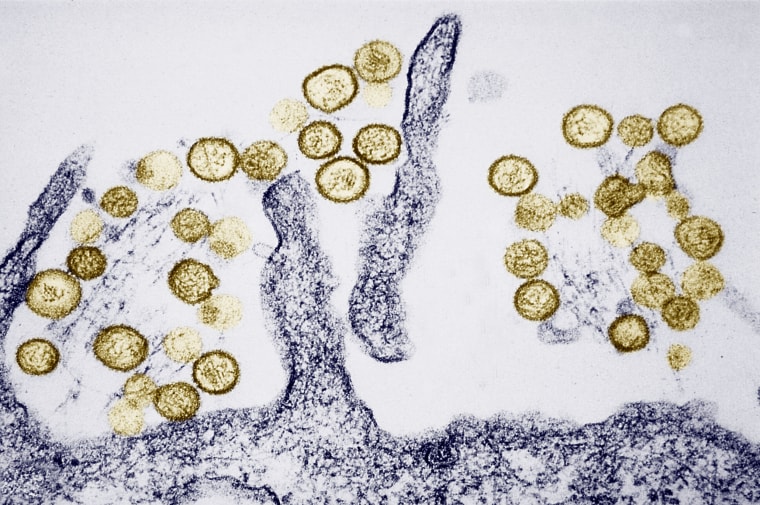
Prevalence of Hantaviruses
This virus was first documented following an outbreak in New Mexico’s Four Corners region in 1993, which resulted in 14 fatalities. Dr. Duchin noted that prior to this discovery, hantavirus was unknown in the U.S., highlighting a critical gap in public health awareness. Since 1993, the CDC has confirmed 129 hantavirus cases in New Mexico and reported over 890 cases nationwide.
Dr. Roberts reiterated the lack of effective treatment options, stating that only supportive care is available. Prevention remains the most effective strategy for combatting hantavirus exposure.
Transmission Mechanisms
Cases of hantavirus are most frequently reported in the western United States, particularly in regions where deer mice thrive. This is where the virus circulates among animal populations, which can lead to human infections. Cleaning areas contaminated with rodent droppings or urine increases the risk of infection.
Human-to-human transmission, though rare, is a possibility. The World Health Organization has acknowledged that such transmission can occur and can lead to severe respiratory illnesses that necessitate careful monitoring and support.
The hantavirus family is also present in Europe and Asia, where related strains can cause hemorrhagic fever with renal syndrome (HFRS), underscoring the global health implications of these pathogens.
Effective Prevention Strategies
In light of past incidents, including the unfortunate cases of Hackman and Arakawa, public health officials have assessed the risks associated with hantavirus at various locations. The New Mexico Department of Health noted evidence of rodent infestations on properties, underscoring the need for vigilance.
When addressing rodent infestations, experts recommend wearing protective gear, including gloves and N95 masks, while ensuring proper ventilation and using disinfectants. Precautions such as avoiding contact with rodent excreta and not disturbing droppings with brooms or vacuums are crucial for reducing the risk of hantavirus exposure.
